


Raaz: How Bipasha Basu and Dino Morea’s Horror Classic Endures
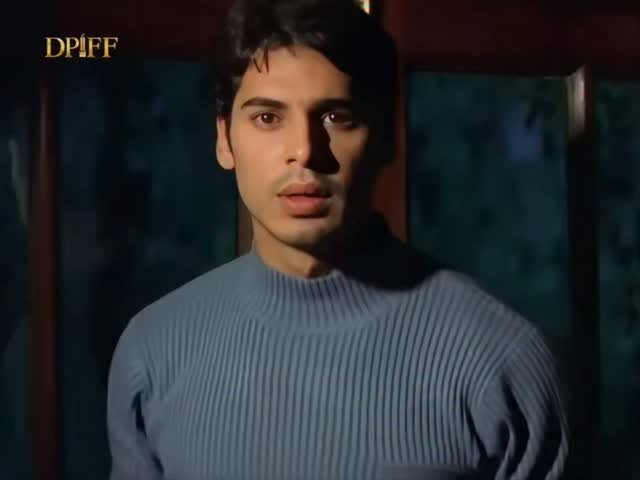
DPIFF’s recent Instagram post revisiting Raaz (2002) brings attention back to a Hindi film that helped define the sound and atmosphere of early-2000s Bollywood horror. Starring Bipasha Basu and Dino Morea, the Vikram Bhatt-directed supernatural thriller combined romance, mystery and fear in a way that made it one of the era’s most recognisable genre films.
More than two decades after its release, Raaz continues to be remembered for its haunting mood, carefully sustained suspense and music-led storytelling. The film did not treat horror as an isolated spectacle. Instead, it placed supernatural events within the emotional life of a troubled relationship, giving the story a romantic core alongside its darker elements.
A supernatural mystery built around a relationship
At the centre of Raaz are Aditya and Sanjana, a married couple whose attempt to rebuild their relationship is disrupted by disturbing incidents. As the mystery deepens, the film gradually connects the couple’s present with secrets from the past, allowing its supernatural premise to unfold through emotional conflict as well as conventional scares.
This structure gave the film a broader appeal. Viewers drawn to romance could follow the couple’s strained bond, while horror audiences were offered an eerie setting, unexplained occurrences and the gradual revelation of buried truths. The combination was particularly effective because the emotional and supernatural parts of the narrative were closely linked rather than presented as separate tracks.
Vikram Bhatt’s atmosphere-driven direction
Directed by Vikram Bhatt and produced by Mukesh Bhatt, Raaz belongs to a period when Hindi filmmakers were exploring more polished forms of supernatural storytelling. Its effectiveness came less from constant shock tactics and more from atmosphere: isolated spaces, ominous silences, unsettling discoveries and the sense that the characters were moving closer to a truth they were not prepared to face.
The film’s visual and narrative design helped create a world in which ordinary locations could become threatening. A home, a road or a quiet landscape could carry emotional tension because the audience understood that the past had not truly disappeared. This slow-building unease remains one of the film’s strongest qualities.
Bhatt’s direction also maintained a balance between melodrama and genre suspense, a combination that was central to the identity of many successful Hindi films of the period. Raaz was recognisably a Bollywood production, but it used the grammar of the supernatural thriller to create a darker and more intimate viewing experience.
Bipasha Basu and Dino Morea at the centre
Raaz became an important early-career milestone for Bipasha Basu. Her performance required Sanjana to move between vulnerability, fear and emotional determination as the mystery surrounding her life became increasingly difficult to ignore. The role also established an association between Basu and the horror genre that would remain part of her screen identity.
Dino Morea brought a restrained presence to Aditya, whose relationship with Sanjana gives the supernatural plot its emotional stakes. The pairing allowed the film to function not only as a ghost story but also as a story about trust, regret and the consequences of unresolved history.
Malini Sharma’s presence is also central to the film’s mystery. Her character is tied to the secrets that drive the narrative, and the name Malini remains closely associated with the film’s most memorable revelations. Together, the principal performances gave the supernatural elements a human dimension.
The lasting role of music in Raaz
Music was one of the defining features of Raaz. The soundtrack by Nadeem-Shravan strengthened the film’s romantic mood while also adding to its sense of melancholy and suspense. Songs such as Aapke Pyaar Mein became closely connected with the film’s identity, extending its appeal beyond the horror audience.
The background score served a different but equally important purpose. It heightened uncertainty without overwhelming the scenes, allowing pauses, silences and small visual details to contribute to the tension. In the early-2000s Hindi film landscape, where songs often carried major emotional and promotional value, Raaz showed how music could support both romance and horror within the same narrative.
Why Raaz remains part of Bollywood horror nostalgia
The continuing memory of Raaz is linked to more than individual scares. The film represents a particular phase of Hindi cinema in which genre storytelling was shaped by strong melodies, dramatic performances and a clear emotional premise. Its appeal came from the way these elements worked together.
For many viewers, the film also recalls a pre-streaming era when theatrical releases, television broadcasts and soundtrack albums played a major role in building a film’s cultural afterlife. Rewatching Raaz today can therefore feel like revisiting both a supernatural thriller and a distinct period of Bollywood popular culture.
The film’s influence can also be seen in the continued interest in Hindi horror franchises and supernatural dramas. While later productions have adopted different visual styles and storytelling techniques, Raaz remains a reference point for the romance-horror format and for the use of music to build a film’s emotional memory.
DPIFF’s Instagram reference
Dadasaheb Phalke International Film Festival revisited the film’s enduring appeal in an Instagram video, highlighting its mix of love, mystery, fear and secrets, along with the atmosphere and music that made it memorable. The original post is available on DPIFF’s official Instagram page.
Recent Coverage from DPIFF
DPIFF’s latest editorial updates, festival announcements and film-industry features are published in the official DPIFF News section. Readers can visit the archive for the most recent coverage from the festival’s newsroom, including stories on cinema, artists and developments across the Indian entertainment industry.
About Dadasaheb Phalke International Film Festival
Dadasaheb Phalke International Film Festival is an Indian film and entertainment platform that celebrates cinematic achievement and creative work across the industry. Its editorial and social channels highlight films, performers, filmmakers and cultural moments that continue to shape audience conversations. Through its festival activities and digital presence, DPIFF connects recognition of Indian cinema with wider public engagement.
By returning to Raaz, DPIFF’s post underscores how a film can remain culturally relevant through its atmosphere, performances and music long after its original release. The film’s ability to merge romance with supernatural suspense is precisely what continues to give this early-2000s thriller its distinctive place in Bollywood nostalgia.



Share this link via



Share this link via

Share this link via

Share this link via