


Veer-Zaara: Why Yash Chopra’s Love Story Still Resonates
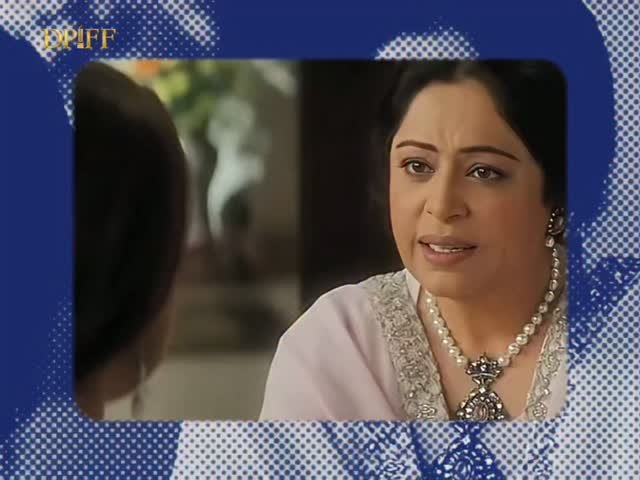
Dadasaheb Phalke International Film Festival has revisited Veer-Zaara, the Yash Chopra-directed romance that continues to occupy a special place in the history of modern Hindi cinema. In a reel shared on its Instagram page, DPIFF highlighted the film’s central idea: a love sustained by faith, separation and an enduring promise.
The post does not announce a new project, screening or cast development. Instead, it draws attention to the lasting emotional power of a film that brought together Shah Rukh Khan and Preity Zinta in one of Bollywood’s most remembered cross-border love stories.
A romance shaped by separation and sacrifice
Released in 2004, Veer-Zaara follows Veer Pratap Singh, an Indian Air Force officer, and Zaara Hayat Khan, a Pakistani woman whose lives are transformed after they meet. Their relationship is tested by family expectations, national boundaries and a separation that stretches across decades.
The film’s structure gives the romance an additional layer. A young Pakistani lawyer, Saamiya Siddiqui, becomes involved in Veer’s story and gradually uncovers the truth behind his long silence. This framing allows the film to move between the past and the present while presenting love not simply as a personal emotion, but as an act of courage and remembrance.
At the centre of the film is the idea that political borders may divide people, but they cannot completely erase shared histories or individual convictions. That theme gave Veer-Zaara a wider cultural resonance, particularly because the story treated India and Pakistan not only as opposing national identities, but also as spaces connected by memory, language and family ties.
Shah Rukh Khan and Preity Zinta’s memorable pairing
Shah Rukh Khan’s performance as Veer combined romantic vulnerability with quiet restraint. Rather than portraying the character as an endlessly assertive hero, the film placed emphasis on his patience and willingness to endure hardship without abandoning his promise to Zaara.
Preity Zinta brought warmth and emotional openness to Zaara, a character caught between personal choice and social duty. Their chemistry helped the film move between youthful romance and the gravity of an adult relationship shaped by loss. Rani Mukerji, as Saamiya, provided the story with its investigative and humanitarian perspective, while the supporting cast strengthened the film’s family and cultural setting.
The ensemble also included Amitabh Bachchan, Hema Malini, Kirron Kher, Boman Irani and Manoj Bajpayee. Their performances helped establish the personal and social pressures surrounding the central relationship, giving the romance a larger emotional world.
Yash Chopra’s final directorial film
Veer-Zaara occupies an important place in Yash Chopra’s filmography because it was his final directorial feature. The film brought together many of the recurring concerns associated with his cinema: love confronted by circumstance, families shaped by tradition, scenic visual storytelling and music used as an extension of emotion.
Its screenplay, credited to Aditya Chopra, moves between intimate personal moments and a broader story about identity and belonging. The result is a romance that is expansive in scale but rooted in small gestures: a promise made, a song remembered and a life preserved through another person’s testimony.
The enduring importance of the music
Music is central to the emotional architecture of Veer-Zaara. The soundtrack used previously unreleased compositions by the late Madan Mohan, which were arranged and completed for the film by his son, Sanjeev Kohli. This gave the film a distinctive musical character, connecting its contemporary setting with the melodic tradition associated with classic Hindi cinema.
Songs such as “Tere Liye”, “Main Yahaan Hoon”, “Aisa Des Hai Mera” and “Do Pal” helped the film travel beyond its narrative. They became part of the audience’s memory of Veer and Zaara’s relationship, carrying emotions that the characters themselves were often unable to express directly.
Why Veer-Zaara remains relevant
The film’s continued relevance comes from its refusal to treat separation as the end of a love story. Its characters are forced to live with political realities, social expectations and the consequences of decisions made by others, yet the narrative remains focused on dignity rather than bitterness.
That quality helps explain why Veer-Zaara continues to appeal to audiences discovering it years after its original release. It is a film about romance, but also about memory, compassion and the possibility of human connection across borders. Its emotional language remains accessible even when the circumstances surrounding the characters are deeply specific.
DPIFF Instagram reference
DPIFF’s reel celebrates Veer-Zaara as “a love beyond borders, beyond years, beyond everything”, directing attention to the film’s enduring place in Bollywood’s romance tradition. The original post can be viewed on the DPIFF Instagram page.
Recent Coverage from DPIFF
DPIFF’s website publishes editorial coverage across Indian cinema, film personalities, awards and festival-related developments. Readers can explore the latest verified stories through the official DPIFF website. Specific recent article links have not been listed here without confirmation of their current titles and URLs.
About Dadasaheb Phalke International Film Festival
Dadasaheb Phalke International Film Festival is an Indian film and entertainment platform named after Dadasaheb Phalke, widely regarded as the father of Indian cinema. DPIFF recognises creative contributions across the film and entertainment industries while presenting editorial and festival-led conversations around cinema. Its work spans Indian film culture, artists, filmmakers and significant developments in the wider entertainment landscape.
More than a nostalgic romance, Veer-Zaara remains a reminder of how Hindi cinema can place an intimate love story within a larger conversation about borders, belonging and the values that survive time.



Share this link via


Share this link via
Share this link via
Share this link via