


Ramayana Film Review: A Spectacle of Scale and Visual Ambition

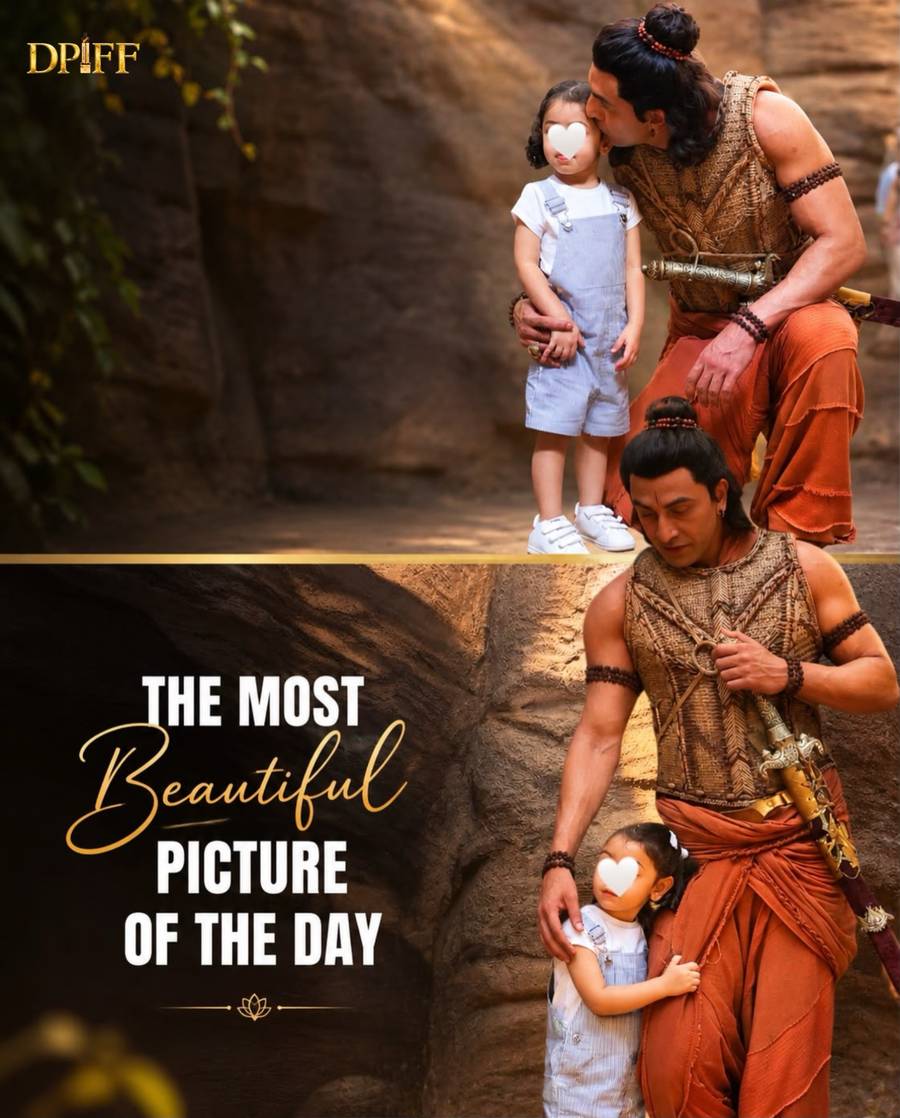
Ramayana has been presented as an ambitious cinematic attempt to translate one of India’s most recognisable epics into a large-scale theatrical experience. In its Instagram review, the Dadasaheb Phalke International Film Festival gave the film a rating of 4/5, recognising its striking visual craft while noting that its emotional impact does not always match its enormous scale.
The review places the film’s strongest achievement in its technical execution. Expansive environments, detailed production design and extensive visual effects give Ramayana a pronounced big-screen identity. Rather than treating the epic as a modest period drama, the film appears designed around spectacle: its world is broad, its settings are imposing and its visual language aims to make the story feel suitably monumental.
A cinematic world built for the big screen
For a story as culturally familiar as the Ramayana, visual interpretation becomes an important part of the filmmaking challenge. Audiences may already know the broad contours of the narrative, which means the production must create freshness through presentation, atmosphere and characterisation. The DPIFF review suggests that the film meets much of that challenge through its world-building and visual scale.
The film’s environments and production design are not merely decorative elements. They help establish the sense of distance, conflict and mythic grandeur required by an epic narrative. The combination of large environments and VFX-driven imagery gives the film a strong cinematic presence, particularly for viewers seeking a theatrical experience rather than a small-scale retelling.
That emphasis also reflects a wider movement in Indian cinema towards event-scale storytelling. Contemporary audiences have become increasingly attentive to visual effects, design and presentation, but spectacle works best when it remains connected to story and character. In this regard, Ramayana appears to understand the importance of scale, even when the emotional foundation is less consistent.
Pacing keeps the epic accessible
One of the more notable strengths identified in the review is the film’s ability to maintain momentum despite its runtime. Epic films can often become weighed down by exposition, extensive world-building or the sheer number of characters and events they need to introduce. The review, however, finds that Ramayana moves with surprising pace.
This sense of movement is significant because familiarity with the source material does not automatically guarantee engagement. A film still needs to shape its scenes with rhythm and purpose. By preventing its scale from becoming overwhelming, Ramayana keeps the viewing experience accessible and allows its visual elements to support the narrative rather than completely dominate it.
Where the spectacle falls short
The central reservation in DPIFF’s assessment concerns emotional depth. While the film’s technical achievements are described as impressive, the emotional connection does not always reach the level demanded by a story of this magnitude. That distinction is important: a film can successfully recreate grandeur while still leaving audiences at a distance from its characters.
Mythological and epic narratives depend on more than scale. Their lasting power often comes from relationships, moral conflict, sacrifice, loyalty and personal consequence. When those emotional elements are not developed with the same care as the visual world, the result can feel striking without being fully affecting.
The review also points to fresh interpretations of familiar characters, adding another layer to the film’s presentation. Such reinterpretations can help a well-known story feel contemporary, but they also need to preserve the human stakes that make the material resonate. The balance between innovation and emotional clarity remains one of the key tests for any new screen version of the epic.
DPIFF’s assessment of Ramayana
Overall, DPIFF’s 4/5 assessment positions Ramayana as a visually ambitious theatrical film whose greatest strengths lie in VFX, production design, world-building and cinematic scale. Its controlled pacing helps it remain engaging, while its occasional lack of emotional weight prevents it from reaching the full potential suggested by its technical achievement.
The review does not provide production details such as cast, director or release information, so those details have not been added here without reliable confirmation. Instead, the focus remains on the film’s reported cinematic qualities and on the larger question of how a familiar epic can be reimagined for contemporary theatrical audiences.
DPIFF Instagram reference
The review and its 4/5 rating were shared in the official DPIFF Instagram post on Ramayana. Readers can also follow the official DPIFF website for the festival’s broader film and entertainment coverage.
Recent Coverage from DPIFF
DPIFF’s newsroom publishes editorial coverage across Indian cinema, film appreciation, entertainment developments and festival-related subjects. The DPIFF news archive provides the most reliable place to read the latest available articles and verify recently published headlines.
As no additional recent article titles could be reliably verified from the supplied source material, specific headlines and URLs have not been reproduced here. This avoids attributing an unverified article or link to the DPIFF newsroom.
About Dadasaheb Phalke International Film Festival
Dadasaheb Phalke International Film Festival is an Indian film festival and entertainment platform named after Dadasaheb Phalke, widely regarded as the father of Indian cinema. DPIFF recognises and discusses achievements across the film and entertainment landscape while providing a platform for film-related editorial coverage. Its official website serves as the central source for festival information and published updates.
In that context, Ramayana represents an important conversation for Indian cinema: how visual scale, technological craft and fresh interpretation can work together when adapting culturally significant material. DPIFF’s review acknowledges the film’s impressive spectacle while also underlining the emotional standard that epic storytelling must meet.



Share this link via



Share this link via
Share this link via
Share this link via