Dadasaheb Phalke International Film Festival Announces ‘Top 21 Short Films’ of 2026

Short films work within a limited time but still present complete ideas. DPIFF continues to bring such work to a wider audience.
The Dadasaheb Phalke International Film Festival 2026 has announced its Top 21 Short Films from this year’s selections. These films are part of the larger Top 100, Top 50 list, which received entries from different parts of the world.
This list represents filmmakers presenting stories through their own perspective.
A Space for New Voices
DPIFF has always tried to give space to new filmmakers. Not everyone starts with big budgets or known names, but platforms like this still make sure their work reaches people.
The Top 21 list helps in that way. It gives these filmmakers some visibility and if their work connects, it slowly becomes part of a bigger conversation around cinema.
Different Stories, Different Approaches
The films on this list bring different kinds of stories and ways of telling them.
Some short films are inspired by real-life situations, while others focus more on how the story is introduced. They address relationships, identity, and society but each film does it in its own way.
The Top 21 Short Films of 2026
The films selected this year include:
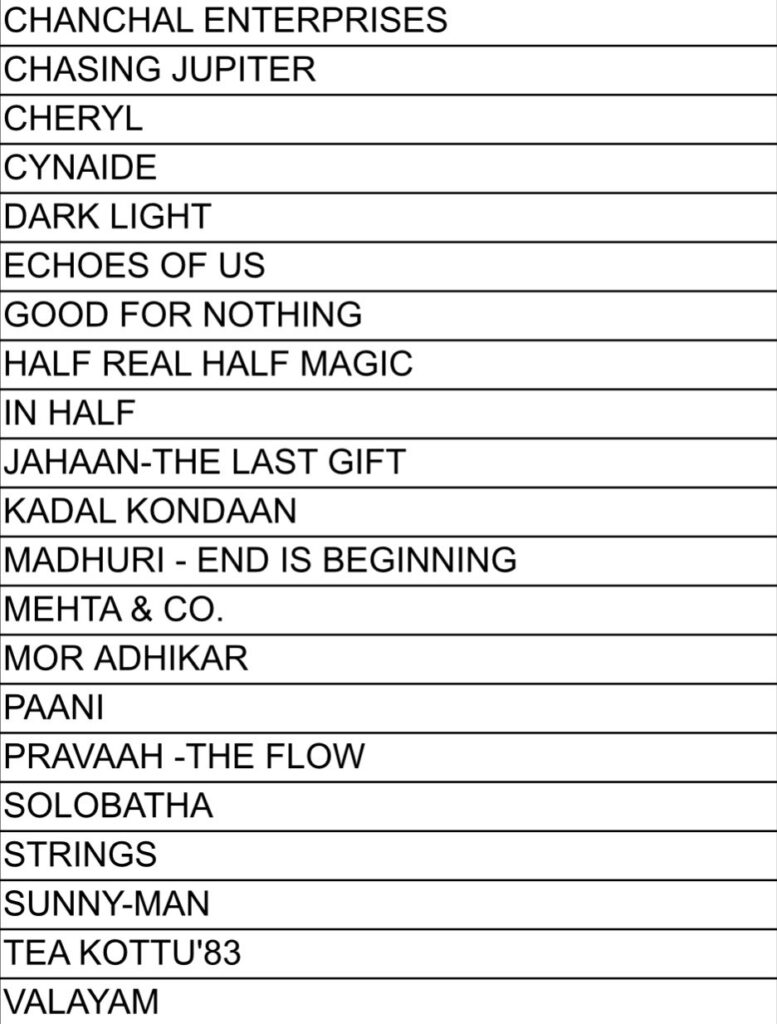
Dadasaheb Phalke International Film Festival 2026 Congratulates all the selected filmmakers.
Each film involves a process that includes writing, production, and post-production. For independent creators, this process often comes with limitations.
Selection in this list indicates that the work has been reviewed and chosen for wider visibility.
Moving Forward
Short films are an important part of the film industry. They provide space for experimentation and allow filmmakers to present ideas without waiting for large-scale production support.
With this announcement, DPIFF continues to support filmmakers and connect their work with audiences. It also gives viewers access to stories that may not be widely available otherwise.



Share this link via



Share this link via

Share this link via