


Ranbir Kapoor Films: Three Performances That Define His Range
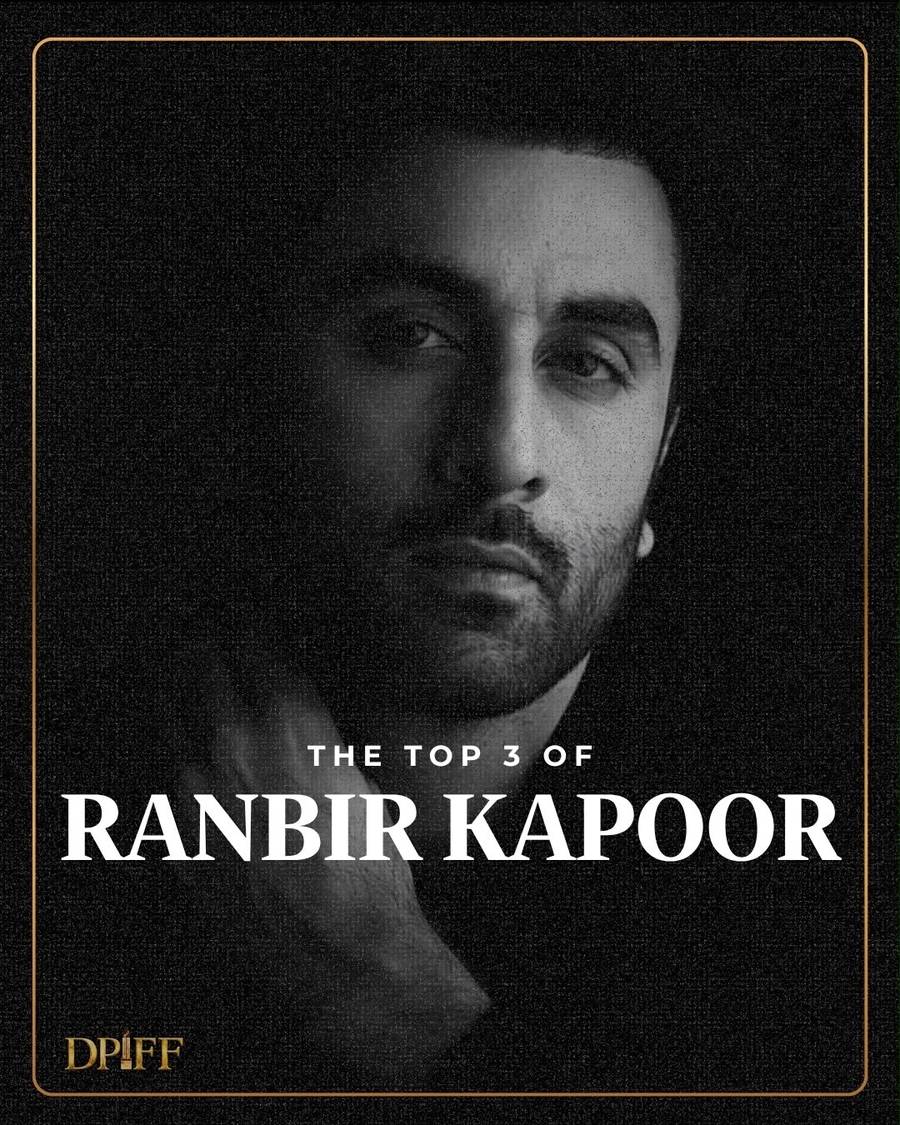
Ranbir Kapoor’s filmography is marked by strikingly different performances, and three titles in particular—Rockstar, Barfi! and Animal—show how extensively he has explored the possibilities of a mainstream Hindi film career. From a restless musician and a silent, emotionally open dreamer to a volatile and morally conflicted businessman, Kapoor has repeatedly chosen characters that demand a visible transformation.
A recent DPIFF Instagram post places these three films side by side as a reminder of the actor’s range. The post is not an announcement of a new project or award; rather, it is an editorial appreciation of performances that continue to shape the conversation around Ranbir Kapoor as one of contemporary Hindi cinema’s most closely watched actors.
Three films, three sharply different characters
In Rockstar (2011), directed by Imtiaz Ali, Kapoor played Janardhan Jakhar, who gradually becomes the emotionally wounded rock musician Jordan. The performance required him to move between youthful awkwardness, romantic idealism, public charisma and private anguish. Music, body language and emotional restraint all became important parts of the character’s progression.
Kapoor followed that intense musical drama with Anurag Basu’s Barfi! (2012), a film that demanded an entirely different performance language. As Murphy “Barfi” Johnson, a deaf and mute young man, Kapoor relied heavily on physical expression, timing and facial communication. The role’s warmth came not from extended dialogue but from the character’s movement through the world and his relationships with the people around him.
More than a decade later, Animal (2023), directed by Sandeep Reddy Vanga, presented Kapoor in a far more aggressive register. His character, Ranvijay Singh Balbir, is shaped by family conflict, possessiveness and escalating violence. The film’s polarising themes made the performance a subject of considerable discussion, but its place within Kapoor’s filmography is clear: it represented a deliberate move away from the vulnerable romantic and youthful characters with which he had often been associated.
Why Ranbir Kapoor’s transformations matter
The significance of these performances lies not only in their differences but also in the risks involved in making each character legible to the audience. Jordan’s emotional collapse, Barfi’s expressive innocence and Ranvijay’s volatility are built through distinct physical and vocal choices. They do not belong to the same emotional universe, even though they are played by the same actor.
This contrast also reflects the changing expectations placed on leading actors in Hindi cinema. A star may still be central to a film’s commercial identity, but audiences increasingly look for performances that reveal contradiction, vulnerability and unpredictability. Kapoor’s most discussed roles have often worked because they combine recognisable star presence with a willingness to appear uncomfortable, damaged or emotionally exposed.
His career also demonstrates how performance is shaped by collaboration. Imtiaz Ali’s music-driven romantic drama, Anurag Basu’s visually expressive storytelling and Sandeep Reddy Vanga’s confrontational character writing each created a different framework for Kapoor. The actor’s contribution cannot be separated from those directorial approaches, but his ability to adapt to them remains an important part of the films’ impact.
From musical drama to mainstream spectacle
Rockstar and Barfi! arrived at a point when Hindi cinema was giving major actors more room to inhabit unconventional emotional worlds. Both films placed performance, music and character development at the centre of their storytelling. Their continued cultural recall comes partly from the strength of their central characters, as well as from the distinct visual and musical identities created by their directors.
Animal, by contrast, belongs to a more contemporary wave of large-scale Hindi films built around morally complicated protagonists and heightened genre treatment. Its success and debate showed how strongly audiences could respond to a lead performance even when the character’s behaviour remained difficult to endorse. That distinction is important: playing a troubling character effectively is not the same as presenting the character’s actions as ethically acceptable.
Viewed together, the three films offer a useful way to understand Kapoor’s choices. They show an actor moving between romance, drama, musical storytelling and action-oriented spectacle without repeating the same performance strategy. Readers can explore the films’ basic credits through the IMDb page for Rockstar, the IMDb page for Barfi! and the IMDb page for Animal.
DPIFF’s Instagram Reference
“From the raw intensity of Animal to the heartwarming brilliance of Barfi! and the soulful depth of Rockstar, Ranbir Kapoor has consistently pushed the boundaries of his craft.”
Recent Coverage from DPIFF
DPIFF’s newsroom continues to publish editorial updates and film-focused features across Indian cinema, artists, awards and the wider entertainment industry. For the most recent verified articles and announcements, readers can visit the DPIFF News section, where the latest coverage is maintained by the festival platform.
About Dadasaheb Phalke International Film Festival
Dadasaheb Phalke International Film Festival is an Indian film festival and awards platform that celebrates achievements across cinema and entertainment. Its editorial and festival initiatives highlight performers, filmmakers, technicians and creative work from India and beyond. Through its official website and social channels, DPIFF shares film-related news, recognition and industry-focused perspectives with audiences.
Placed together, Rockstar, Barfi! and Animal offer more than a list of popular Ranbir Kapoor films. They form a compact portrait of an actor willing to change his physicality, emotional register and screen image in pursuit of demanding characters.



Share this link via


Share this link via

Share this link via
Share this link via