


DPIFF Pays Tribute to Filmmaker Sanjay Gupta and His Distinctive Hindi-Cinema Legacy
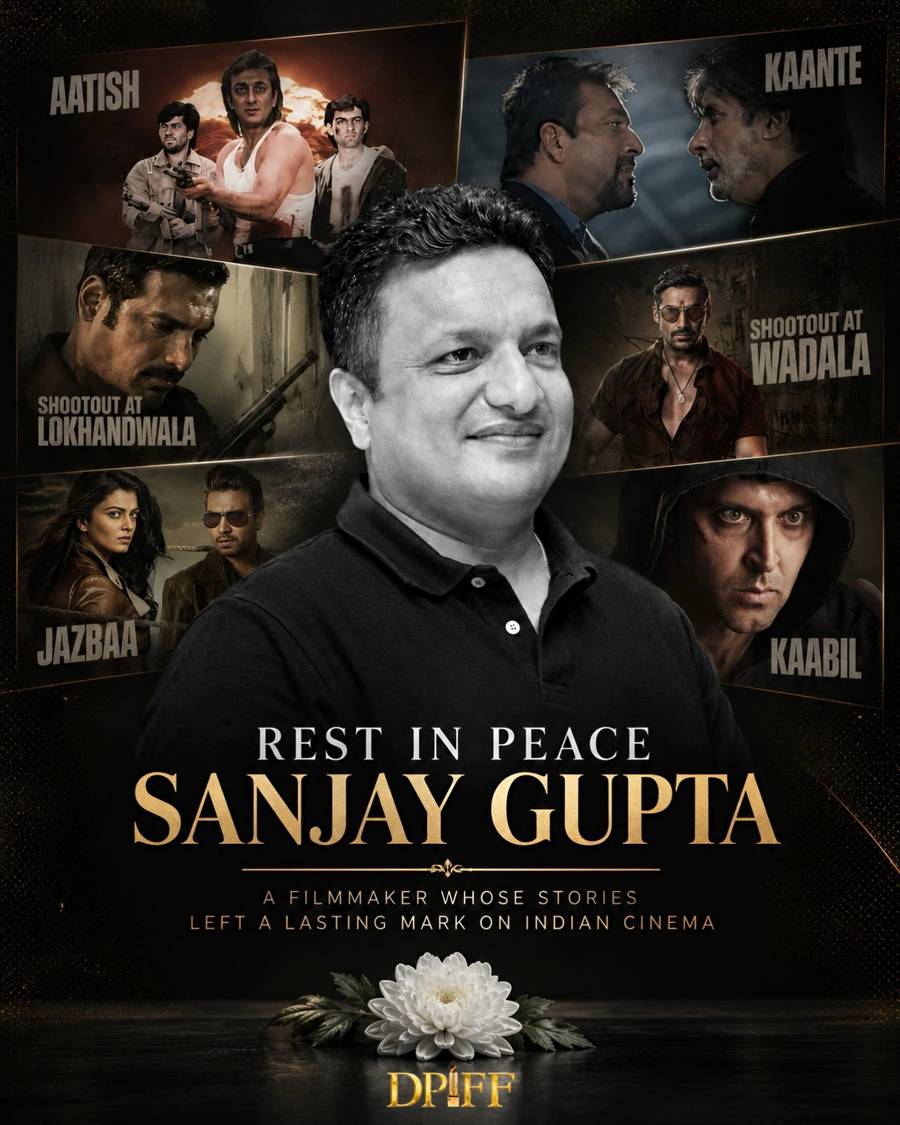
Dadasaheb Phalke International Film Festival has paid tribute to filmmaker Sanjay Gupta, remembering the intensity, grit and unmistakable cinematic voice he brought to Hindi cinema. In a tribute shared on its official Instagram account, DPIFF recalled Gupta’s contribution through films including Aatish, Kaante, Shootout at Lokhandwala, Shootout at Wadala, Jazbaa and Kaabil.
Rather than being defined by a single genre or period, Gupta’s body of work is associated with a recurring interest in morally complex characters, crime-driven narratives, loyalty, betrayal and the pressures of power. His films often placed these themes within a highly stylised visual world, giving his cinema a recognisable identity in mainstream Hindi filmmaking.
A filmmaker with a distinct cinematic identity
Sanjay Gupta emerged as a prominent voice in Hindi cinema during the 1990s and continued to work across several phases of the industry. His early film Aatish established an interest in action, criminal networks and emotionally charged relationships. That combination of heightened drama and genre storytelling remained visible in several of his later projects.
With Kaante, Gupta delivered one of the most discussed crime dramas of the early 2000s. The film brought together an ensemble cast and a tense heist narrative, while reflecting the influence of international crime cinema through its setting, atmosphere and character dynamics. Its impact helped reinforce Gupta’s reputation as a filmmaker drawn to stylised, ensemble-led storytelling.
His later work continued to explore the relationship between crime and institutional power. Shootout at Lokhandwala dramatised a major police operation and focused on the competing perspectives of law enforcement and the underworld. The film’s muscular treatment, confrontational performances and urban setting connected strongly with audiences and became an important title in Gupta’s filmography.
From Mumbai crime dramas to varied mainstream subjects
Shootout at Wadala extended Gupta’s engagement with Mumbai’s organised-crime narratives. Set against the city’s underworld history, the film continued his preference for high-stakes conflict, sharply drawn rivalries and a forceful visual presentation. Together, the two Shootout films became closely associated with his approach to crime cinema.
Gupta also moved beyond the gangster genre. Jazbaa brought together elements of courtroom drama, crime and family suspense, while Kaabil placed a revenge story within an emotionally driven thriller framework. These films demonstrated his ability to work with different narrative structures while retaining the heightened tone and visual intensity that audiences associated with his direction.
For readers exploring the titles that shaped Gupta’s reputation, the film pages for Kaante, Shootout at Lokhandwala and Kaabil offer additional background on their respective stories and place within Hindi cinema.
Why Sanjay Gupta’s work remains significant
Gupta’s significance lies not only in the subjects he chose but also in the way he presented them. His films relied on heightened conflict, stylised action, urban environments and characters operating under extreme pressure. That sensibility gave his work a clear identity at a time when Hindi cinema was balancing traditional star-driven storytelling with newer forms of genre filmmaking.
His cinema also contributed to the continuing popularity of Mumbai-set crime narratives. By turning real-world anxieties around violence, authority and ambition into accessible mainstream dramas, Gupta helped keep the crime thriller visible within commercial Hindi film culture. His stories were often direct in their emotional and dramatic impact, while his presentation remained unmistakably his own.
DPIFF’s tribute recognises this enduring contribution. The festival’s message described Gupta as a filmmaker whose stories and characters would remain part of Indian cinema’s legacy, underscoring the lasting relationship between a director’s creative choices and the audiences who remember them.
DPIFF’s tribute to Sanjay Gupta
DPIFF shared its remembrance through an official Instagram post dedicated to Sanjay Gupta. The message acknowledged his memorable films, distinctive storytelling and cinematic vision, while expressing that his stories would continue to live on. The post serves as the primary reference for this tribute.
Recent Coverage from DPIFF
DPIFF’s newsroom continues to publish editorial coverage on Indian cinema, filmmakers, performers, awards and developments across the entertainment industry. Readers can explore the latest articles in the DPIFF news section for the festival’s most recent editorial updates and cultural coverage.
The DPIFF official website also provides access to festival information, announcements and institutional updates. For background on the organisation and its purpose, readers may visit the festival’s About DPIFF page.
About Dadasaheb Phalke International Film Festival
Dadasaheb Phalke International Film Festival is an Indian film and entertainment institution named after Dadasaheb Phalke, widely regarded as the father of Indian cinema. DPIFF recognises creative contributions across Indian cinema and provides a platform for celebrating filmmakers, performers and technical artists. Through its festival activities, awards and editorial initiatives, it remains engaged with the country’s evolving film culture.
Sanjay Gupta’s films remain a distinctive part of modern Hindi cinema’s crime and thriller landscape. Through their characters, conflicts and visual energy, they continue to represent a filmmaker whose creative imprint audiences and the industry will remember.



Share this link via



Share this link via

Share this link via
Share this link via