


DPIFF Pays Tribute to Hollywood Legends and Their Enduring Legacy
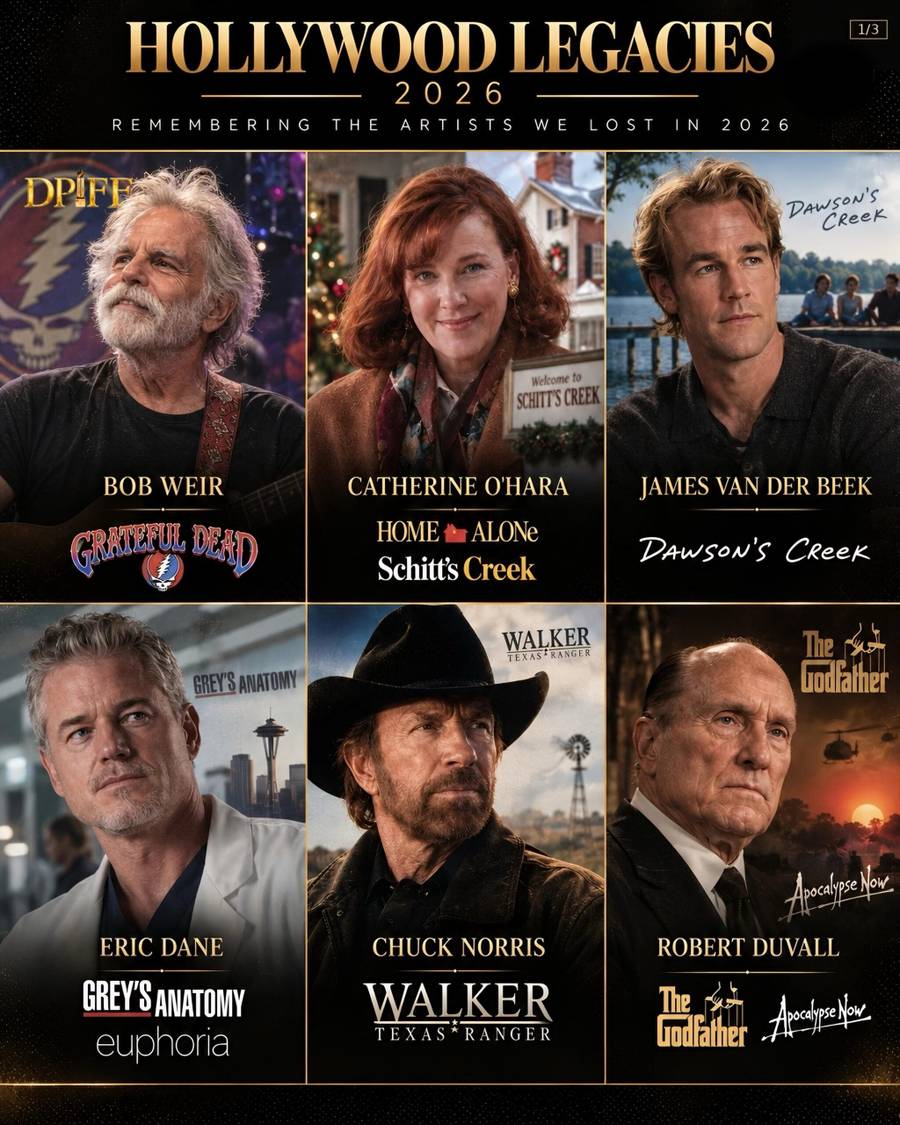
Dadasaheb Phalke International Film Festival has shared a tribute to the Hollywood artists whose performances, characters and creative contributions continue to resonate with audiences across generations. The post, published on DPIFF’s official Instagram account, remembers celebrated figures whose work helped shape the history of cinema and television.
Rather than focusing on a single career or title, the carousel presents remembrance as a collective act. Its central message is that the influence of great artists does not end with their passing. Performances remain available to new audiences, characters continue to enter popular culture, and the films and television programmes associated with them retain their ability to move, entertain and inspire.
Why tributes to Hollywood legends remain significant
Hollywood’s history has been built through the work of performers, directors, writers, cinematographers, composers and other creative professionals whose names are often connected to particular eras of screen entertainment. Their contributions helped establish genres, refine acting styles and create visual and narrative traditions that later generations of filmmakers would develop further.
A tribute such as DPIFF’s also recognises the difference between popularity and lasting cultural impact. Some performances become reference points far beyond their original release. A character may be remembered for a distinctive line, gesture or emotional quality, while a film may remain important because it changed the way audiences understood a genre or a social theme.
This continuing relevance is one reason memorial segments and archival retrospectives remain an important part of major film and television institutions. The Academy’s In Memoriam tradition, for example, places individual lives within the wider history of screen culture. The Television Academy’s memorial archive similarly reflects how television creators and performers have shaped the medium over time.
From memorable performances to enduring characters
The DPIFF tribute places particular emphasis on unforgettable performances and iconic characters. That focus is important because audiences often encounter an artist’s legacy through a role before they discover the wider body of work behind it.
A powerful performance can outlive its original cultural moment. It may introduce a new audience to a classic film, encourage viewers to revisit an established television series or influence actors who study the choices made by performers before them. In this way, screen legacies are passed from one generation to another through viewing, discussion, criticism and reinterpretation.
Characters also acquire lives of their own. They can become part of public memory through costume, dialogue, movement and emotional association. Even when audiences do not know every detail of an artist’s career, they may recognise the character, scene or performance that made that artist’s work enduring.
The importance of preserving screen history
Remembering artists is closely connected to preserving the work through which they are known. Film restoration, television archives, repertory screenings and responsible digital distribution all help ensure that important performances remain accessible.
Preservation is not limited to commercially successful titles. It also involves protecting films and programmes that may have been overlooked at the time of release but later gained critical, historical or cultural importance. The National Film Registry maintained by the Library of Congress offers one example of how screen works can be recognised as part of a broader cultural record.
For audiences, access to this history makes remembrance more meaningful. A tribute can prompt viewers to revisit a familiar performance, explore a film they have not seen or learn about an artist whose influence is more extensive than a single celebrated role.
A continuing conversation between cinema and audiences
DPIFF’s post also reflects the changing way audiences engage with Hollywood history. Viewers now discover classic performances through streaming platforms, curated video libraries, festival screenings, social-media clips and recommendations from younger filmmakers and actors. This has made the relationship between contemporary audiences and earlier generations of artists more immediate.
That accessibility brings a responsibility to provide context. A performance should be appreciated not only as a nostalgic image, but also as part of the conditions in which it was created: the filmmaking practices, industrial systems, social attitudes and audience expectations of its time. Such context allows viewers to recognise both the achievement of the artist and the evolution of cinema itself.
DPIFF’s tribute to Hollywood legacies
The original DPIFF Instagram post can be viewed here: DPIFF’s tribute to Hollywood legends. The post serves as a concise reminder that remembrance is not only about marking absence. It is also about acknowledging the continuing presence of artists in the stories audiences revisit and the creative traditions that remain visible in contemporary entertainment.
Recent Coverage from DPIFF
DPIFF’s official news archive carries the festival’s latest editorial updates, announcements and coverage of developments across cinema and entertainment. Readers can use the archive to follow recent stories published by the festival and explore its wider editorial work.
About Dadasaheb Phalke International Film Festival
Dadasaheb Phalke International Film Festival is an Indian film festival and entertainment platform named after Dadasaheb Phalke, widely regarded as the father of Indian cinema. DPIFF recognises creative contributions across the screen industries and shares festival, awards and cinema-related updates with audiences. Through its editorial and social platforms, the organisation also highlights artists, performances and developments that contribute to the continuing conversation around film and television.
By remembering artists whose work continues to travel across generations, DPIFF’s tribute underlines a simple truth of screen culture: careers may come to an end, but meaningful performances remain in circulation for as long as audiences continue to watch, discuss and value them.



Share this link via



Share this link via

Share this link via
Share this link via