Wamiqa Gabbi’s Versatility Across Godha, Modern Love Chennai and DC
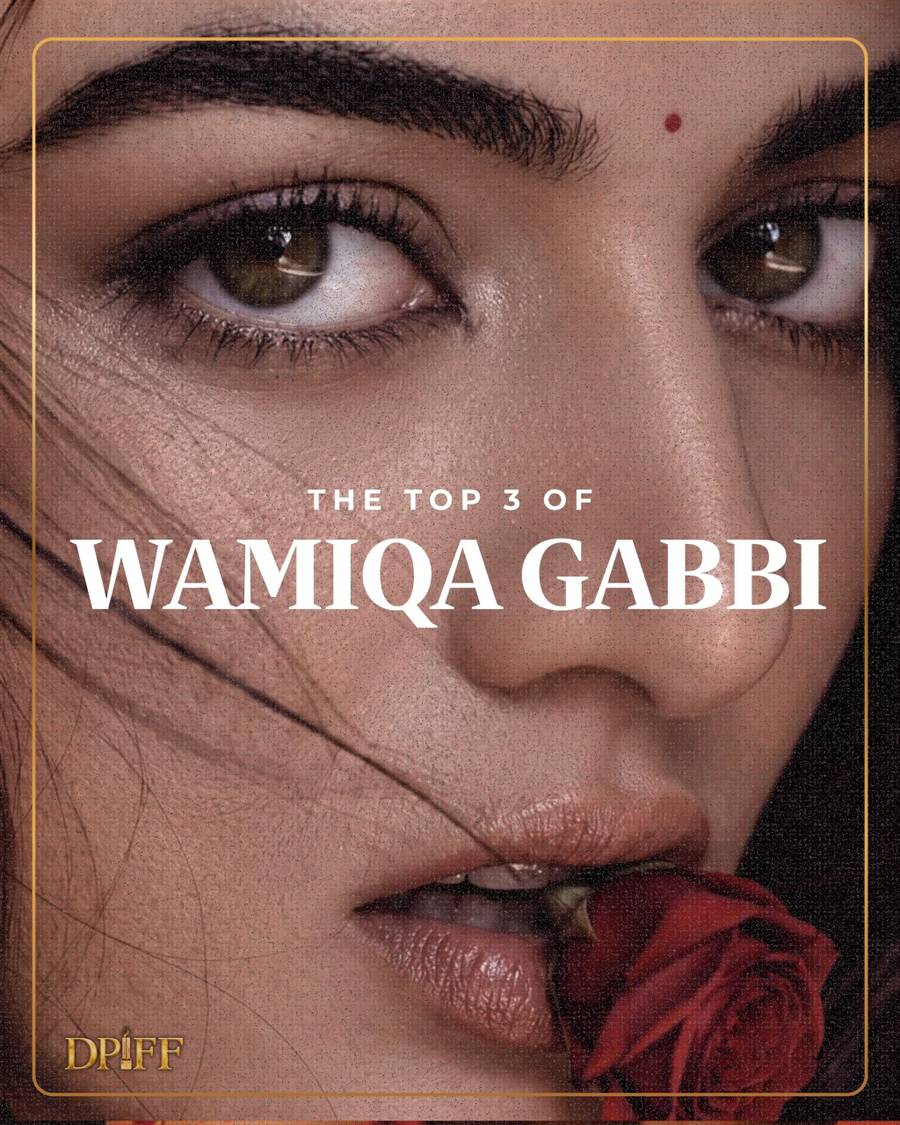
Wamiqa Gabbi’s body of work reflects a willingness to move between languages, genres and performance styles. A recent Dadasaheb Phalke International Film Festival Instagram post draws attention to three titles associated with that range: DC, Godha and Modern Love Chennai.
Rather than presenting a single defining screen image, these projects point to an actor who has continued to explore contrasting cinematic worlds. The selection brings together action, crime, romance, thriller, sports, comedy and drama, offering audiences a useful snapshot of Gabbi’s varied screen presence.
A performer shaped by different cinematic languages
Gabbi’s career has developed across Hindi, Punjabi and Malayalam-language projects, as well as streaming productions. That multilingual experience has allowed her to work within distinct performance traditions and storytelling cultures, while also taking on characters with very different emotional and physical demands.
Her filmography is not defined by one genre alone. She has appeared in intimate dramatic stories, commercial entertainers, regional films and streaming-led narratives. This breadth is significant in an industry where an actor’s public identity can often become closely associated with a particular role, language or format.
The three titles highlighted by DPIFF underline that contrast. They do not represent the entirety of Gabbi’s work, but they demonstrate how her performances can be viewed through different genre lenses.
Godha and the energy of sports storytelling
Released in Malayalam, Godha combines sports and comedy with a coming-of-age dramatic arc. Directed by Basil Joseph, the film places wrestling at the centre of its narrative and follows characters whose ambitions challenge expectations around family, community and identity.
Gabbi plays Aditi Singh, a young wrestler whose arrival changes the direction of the story. The role required her to participate in a film driven not only by dialogue, but also by physicality, rhythm and the momentum of sporting competition. Her presence gives the film an important emotional and narrative anchor as it moves between humour, rivalry and personal aspiration.
Godha also illustrates how a performance can work within a strongly local setting while remaining accessible to viewers beyond that immediate cultural context. Its sports framework provides familiar dramatic stakes, while its Malayalam setting and ensemble give the film a distinct identity.
Modern Love Chennai and the intimacy of anthology storytelling
Modern Love Chennai approaches relationships through an anthology format, with separate stories exploring affection, longing, companionship and the complications of contemporary life. The series is part of the wider Modern Love franchise, adapted for a Chennai setting and shaped by the city’s languages, social textures and emotional landscapes.
Gabbi’s association with the anthology reflects another side of her screen work. Unlike a sports drama, an anthology episode often depends on suggestion, tonal control and small shifts in emotional expression. The performance has to establish a character and a relationship within a limited narrative space, making detail and restraint particularly important.
Anthology storytelling also gives actors the opportunity to inhabit a focused emotional world without being required to carry a single extended plot across an entire feature or long-form series. For audiences, it offers a different way to understand an actor’s range: through how effectively they adapt to a new tone, director and set of co-stars from one story to the next.
What the DPIFF selection says about her screen journey
The inclusion of DC alongside Godha and Modern Love Chennai broadens the conversation further. As described in DPIFF’s post, the title brings action, crime, romance and thriller elements into the selection, placing it in sharp contrast with the sports-comedy-drama character of Godha and the layered romantic storytelling associated with Modern Love Chennai.
That contrast is the central point. Versatility is not simply the ability to appear in different genres; it is the capacity to adjust performance choices according to the demands of each narrative. An actor may need to work through physical action in one project, comic timing in another and quiet emotional ambiguity in a third.
Gabbi’s filmography is also a reminder of the increasingly fluid relationship between theatrical cinema and streaming. Performers now move between regional-language films, Hindi productions, anthology series and genre-led digital projects, reaching audiences who may encounter their work in very different viewing contexts.
For viewers discovering her work through one of these titles, the three-film comparison offers a natural route into the rest of her career. Wamiqa Gabbi’s wider filmography shows how her choices have extended across languages and formats rather than remaining within a single commercial category.
DPIFF’s Instagram reference
The editorial trigger for this article is DPIFF’s carousel post, which invites audiences to compare Wamiqa Gabbi’s performances in DC, Godha and Modern Love Chennai. Readers can view the original post on the official DPIFF Instagram account.
Recent Coverage from DPIFF
DPIFF’s newsroom publishes editorial updates and features on Indian cinema, artists, film culture and festival-related developments. The latest available articles can be accessed through the DPIFF News section, which serves as the publication’s central archive for recent coverage.
Because the current article is focused on the festival’s Wamiqa Gabbi spotlight, readers looking for the newest institutional updates should consult the live newsroom archive for the most recent published titles and links.
About Dadasaheb Phalke International Film Festival
Dadasaheb Phalke International Film Festival is an Indian film and entertainment platform that celebrates achievements across cinema and related creative fields. Its editorial and festival activities highlight films, performers, filmmakers and developments from the wider screen industry. Through its digital channels, DPIFF also provides audiences with context on notable artists and evolving conversations in Indian entertainment.
Seen together, DC, Godha and Modern Love Chennai present three different entry points into Wamiqa Gabbi’s work. More importantly, they show why her performances are best understood not through one fixed image, but through the range of characters, genres and cinematic spaces she continues to explore.


Share this link via


Share this link via
Share this link via