


The Drama, The Odyssey and Dune: Part Three: Three Visions of Cinema
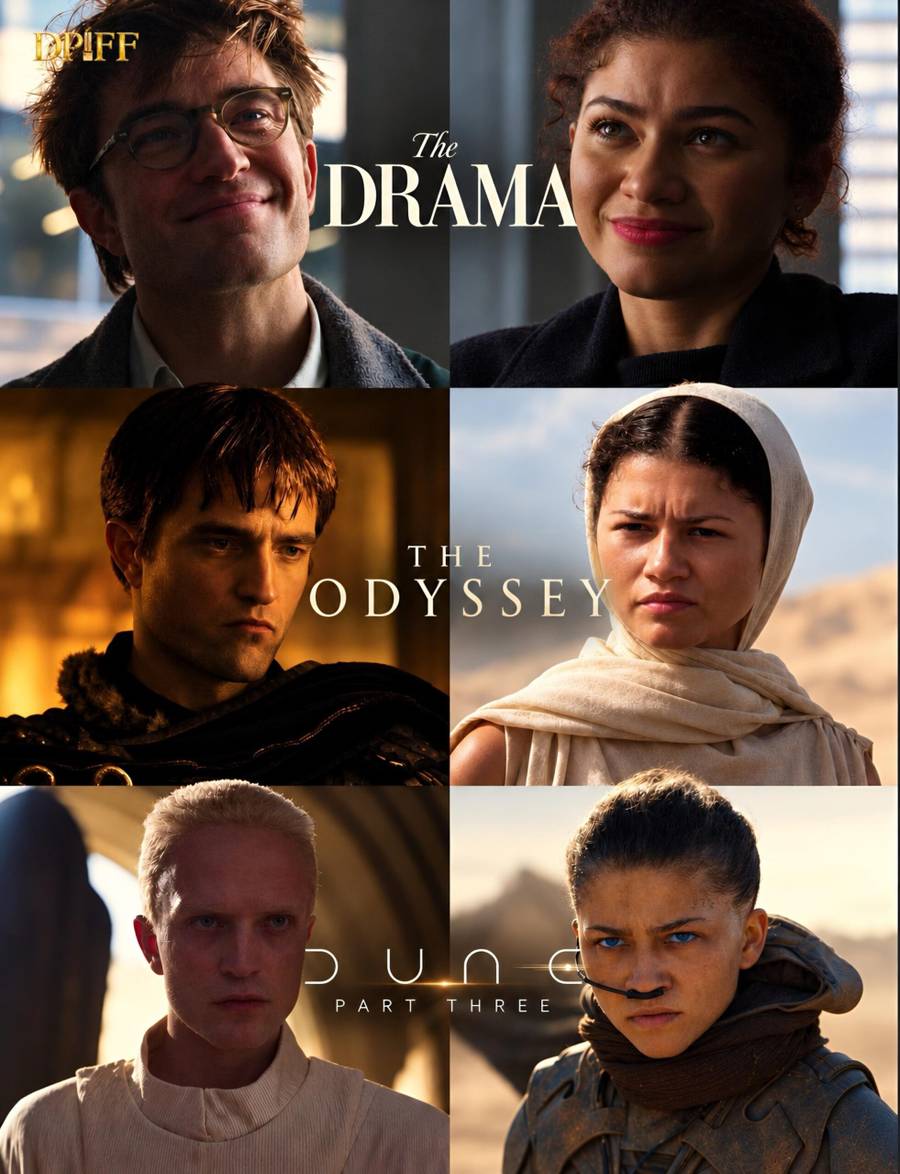
DPIFF has brought together The Drama, The Odyssey and Dune: Part Three in a single visual celebration of contemporary filmmaking. The three upcoming titles represent markedly different cinematic experiences—from intimate emotional intrigue to epic storytelling and immersive science fiction—while sharing an ambition to make cinema feel larger than the screen.
The post does not announce a common release date, festival screening or award. Instead, it draws attention to the anticipation surrounding three films that belong to very different creative traditions. That distinction is important: the value of the image lies in the conversation it creates around genre, scale and the continuing appeal of theatrical storytelling.
Three films, three different cinematic languages
The Drama suggests a more contemporary and emotionally focused mode of storytelling. Its place in the DPIFF post reflects the enduring importance of character, relationships and psychological tension in a film landscape often dominated by large-scale franchises. A drama can create cinematic impact through performance, atmosphere and moral complexity rather than spectacle alone.
The Odyssey, by contrast, carries the weight of one of the most influential epic narratives in world literature. The title immediately brings to mind themes of journey, endurance, homecoming and human resilience. Any screen interpretation of an epic tradition must translate a vast narrative imagination into visual form, making questions of scale, world-building and adaptation central to audience expectations.
Dune: Part Three represents another form of cinematic ambition. The official Dune website reflects the franchise’s emphasis on expansive worlds, visual design and science-fiction storytelling. The film’s inclusion alongside the other two titles underlines how contemporary audiences continue to move between intimate human stories and richly constructed fictional universes.
Why this comparison matters
Putting the three titles together is useful because it shifts attention away from a single genre or star and towards the range of experiences cinema can offer. A personal drama asks viewers to observe emotional change closely. An epic invites them to engage with history, myth and consequence. A science-fiction film can use an imagined future to explore power, ecology, politics and human survival.
These differences also show why the cinema conversation cannot be reduced to a contest between independent films and blockbusters. Each format has its own demands, and each can succeed when its storytelling choices are purposeful. The strongest films, regardless of scale, create a coherent relationship between subject, form and audience experience.
Anticipation before release
Because the DPIFF post presents the films as upcoming titles, audiences should distinguish between confirmed information and general anticipation. Release schedules, plot details, cast announcements and distribution plans should be checked through official film or production channels rather than inferred from a promotional image.
For readers following the projects, the official A24 website is an appropriate source for verified information about films released through the company, while the Universal Pictures website provides official studio updates where applicable. These primary sources are more reliable than unsourced social-media posts or speculative release reports.
The broader significance is cultural as much as commercial. Audiences continue to seek films that offer a reason to watch collectively: a powerful performance, a story with mythic resonance or a visual world that rewards the scale of a theatre. The three titles highlighted by DPIFF speak to those different forms of attraction.
DPIFF’s cinematic perspective
Dadasaheb Phalke International Film Festival’s editorial focus has consistently placed cinema within a wider cultural conversation. The festival’s official website provides the institutional context for its engagement with filmmakers, performers, films and audiences, while the DPIFF News section offers a continuing record of its editorial coverage.
In that context, the Instagram post works as a compact statement about variety. It does not suggest that The Drama, The Odyssey and Dune: Part Three are similar films. It celebrates the fact that cinema can hold all three kinds of ambition at once.
DPIFF Instagram Reference
DPIFF’s original post brings together The Drama, The Odyssey and Dune: Part Three as three distinct cinematic worlds. View the original DPIFF Instagram post.
Recent Coverage from DPIFF
For the latest verified stories, announcements and editorial updates from the festival, readers can visit the DPIFF News archive. As no specific recent article titles are established in the supplied source material, individual headlines and links have not been reproduced here.
About Dadasaheb Phalke International Film Festival
Dadasaheb Phalke International Film Festival is a film-focused platform that recognises and engages with the work of artists, filmmakers and professionals across the motion-picture landscape. Named after Dadasaheb Phalke, widely regarded as a pioneer of Indian cinema, DPIFF connects film appreciation with conversations around creativity, achievement and cinematic culture. Its official website and social channels carry the festival’s latest updates.
By placing three very different titles in one frame, DPIFF’s post offers a reminder that the future of cinema will be shaped not by one genre alone, but by the continued coexistence of personal stories, epic traditions and imaginative worlds.



Share this link via



Share this link via
Share this link via
Share this link via