Why Shah Rukh Khan and Preity Zinta’s Chemistry Endures
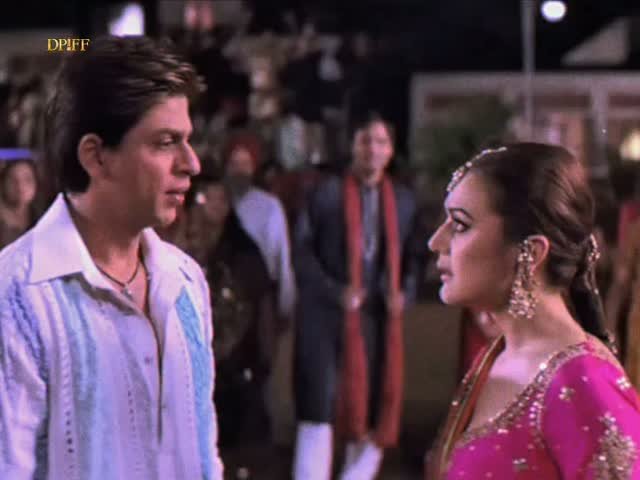
Shah Rukh Khan and Preity Zinta’s on-screen pairing remains one of modern Hindi cinema’s most recognisable combinations. A recent DPIFF Instagram reel revisits the warmth, emotional ease and lasting appeal of their screen presence together, bringing renewed attention to a jodi that has remained memorable long after the release of their films.
The appeal of the Shah Rukh Khan–Preity Zinta pairing lies in its versatility. Across different stories, the actors moved comfortably between romance, friendship, emotional conflict and quiet companionship. Their performances were not built only around glamour; they also depended on timing, expressiveness and the ability to make a relationship feel lived-in.
A screen partnership shaped by different kinds of stories
One of their earliest associations came with Dil Se.. (1998), in which Preity Zinta appeared as Preeti Nair while Shah Rukh Khan led the film as Amar. Although the film’s central romance involved another character, their presence together formed part of the ensemble that helped establish the period’s distinctive blend of romance, music and urban drama.
The pairing became far more prominent with Kal Ho Naa Ho (2003). As Naina Catherine Kapur, Preity Zinta brought restraint and vulnerability to a character navigating grief, family expectations and unexpected love. Shah Rukh Khan’s Aman Mathur, meanwhile, combined humour and emotional openness with an underlying sense of sacrifice. Their scenes worked because the relationship developed through conversation, hesitation and gradually changing emotional priorities.
Kal Ho Naa Ho also demonstrated an important feature of their chemistry: the ability to balance lightness with emotional weight. The film’s humour gave the characters accessibility, while its dramatic turns allowed both actors to build a connection that audiences could understand even when the story moved into more difficult territory.
Veer-Zaara gave the pairing a timeless romantic scale
In Yash Chopra’s Veer-Zaara (2004), Shah Rukh Khan and Preity Zinta played the title characters, Veer Pratap Singh and Zaara Hayat Khan. The film placed their relationship within a broader story involving distance, identity, family and the political realities separating India and Pakistan.
Unlike a conventional romance driven by constant interaction, Veer-Zaara built its emotional impact through separation and remembrance. Shah Rukh Khan’s restrained performance and Preity Zinta’s emotional conviction gave the relationship a sense of endurance across time. Their pairing in the film is often remembered not simply for its romantic appeal, but for the dignity and patience with which the characters’ bond was portrayed.
The film also benefited from the creative collaboration between Yash Chopra, writer Aditya Chopra, composer Madan Mohan’s posthumously arranged melodies and lyricist Javed Akhtar. Its music and visual language became closely associated with the central love story, strengthening the cultural memory of the Shah Rukh Khan–Preity Zinta pairing.
A more mature dynamic in Kabhi Alvida Naa Kehna
The actors reunited in Karan Johar’s Kabhi Alvida Naa Kehna (2006), taking on a very different kind of relationship. Shah Rukh Khan played Dev Saran, while Preity Zinta portrayed Rhea Saran. Their scenes explored marriage, ambition, emotional distance and the pressures created when personal identity becomes tied to professional success.
Here, their chemistry was deliberately less idealised. The film used their familiarity as performers to present a relationship marked by affection, frustration and unresolved conflict. That shift showed that the pairing could hold audience attention outside the conventional romantic framework associated with their earlier collaborations.
Why the pairing continues to resonate
Shah Rukh Khan and Preity Zinta brought contrasting but complementary qualities to their collaborations. Khan’s highly expressive romantic style often met Zinta’s directness, spontaneity and emotional clarity. The result was a dynamic that could feel playful in one scene and deeply vulnerable in the next.
Their films also belong to an important period in the global expansion of Hindi cinema. During the late 1990s and 2000s, large-scale Hindi romances increasingly reached audiences beyond India, while songs, costumes and character relationships became central to how films were remembered. The Shah Rukh Khan–Preity Zinta pairing was part of that wider cultural moment, but its durability comes from more than nostalgia.
Each collaboration offered audiences a different emotional experience: an ensemble connection in Dil Se.., friendship and sacrifice in Kal Ho Naa Ho, enduring love in Veer-Zaara and marital conflict in Kabhi Alvida Naa Kehna. Together, these roles created a varied body of work rather than a single repeated screen formula.
DPIFF Instagram reference
The DPIFF reel celebrating the duo’s enduring screen chemistry can be viewed on the festival’s official Instagram account:
View the DPIFF Instagram reel featuring Shah Rukh Khan and Preity Zinta
About Dadasaheb Phalke International Film Festival
Dadasaheb Phalke International Film Festival is a platform dedicated to celebrating excellence across Indian cinema and the wider film community. Named after Dadasaheb Phalke, widely regarded as the father of Indian cinema, the festival recognises creative and technical contributions to filmmaking. Through its editorial and festival initiatives, DPIFF also highlights performances, films and cultural moments that continue to shape the audience’s relationship with cinema.
The continued interest in Shah Rukh Khan and Preity Zinta’s films reflects the lasting value of screen partnerships built on character, timing and emotional credibility. Their collaborations remain a defining example of how chemistry can evolve across genres while retaining its connection with audiences.


Share this link via



Share this link via

Share this link via