


Why Shah Rukh Khan and Kajol Remain Bollywood’s Iconic On-Screen Pair
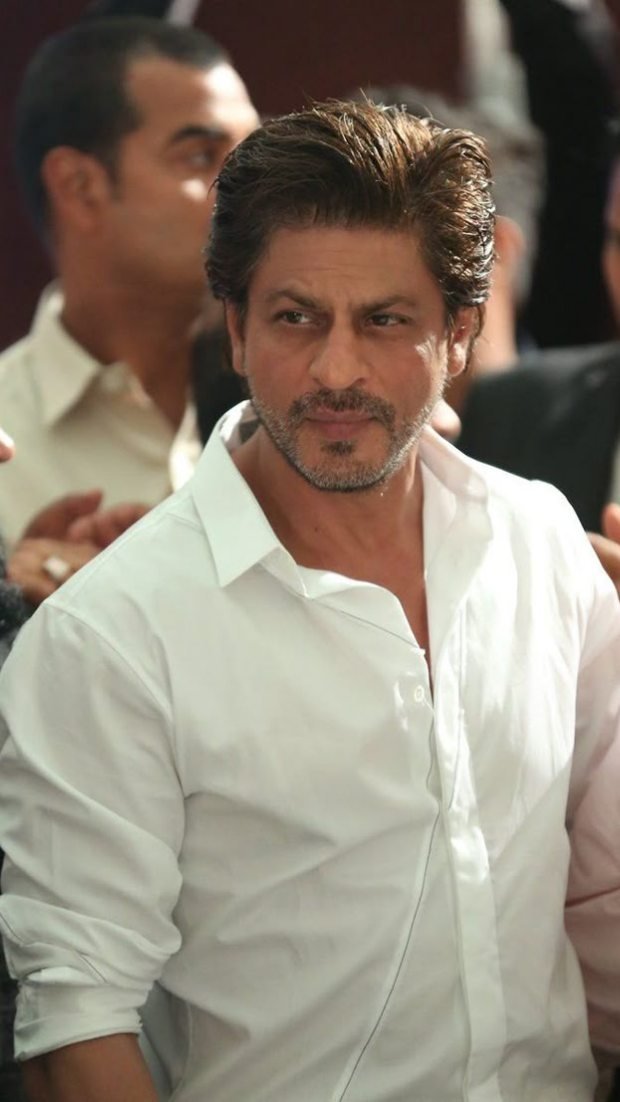
Dadasaheb Phalke International Film Festival’s latest Instagram reel celebrates the enduring screen chemistry between Shah Rukh Khan and Kajol, two performers whose shared glances, comic timing and emotional intensity helped define some of the most recognisable moments in modern Hindi cinema. The post specifically evokes the legacy of Dilwale Dulhania Le Jayenge (DDLJ), the 1995 romantic drama that established their pairing as a cultural phenomenon.
Rather than announcing a new film or event, the reel works as an appreciation of a partnership that audiences have returned to for decades. Its focus on the pair’s “chemistry” reflects something central to their popularity: their scenes often feel conversational and spontaneous, even when built around highly stylised romance, comedy or melodrama.
A partnership shaped by memorable films
Shah Rukh Khan and Kajol first appeared together in Baazigar (1993), before sharing the screen again in Karan Arjun (1995). Their most defining collaboration arrived later that year with Dilwale Dulhania Le Jayenge, directed by Aditya Chopra and produced by Yash Raj Films.
In DDLJ, Khan plays Raj Malhotra and Kajol portrays Simran Singh, two young Indians who meet during a European holiday and fall in love while navigating family expectations. The film’s appeal came not only from its romance, but also from its balance of humour, music, travel, family conflict and emotional restraint. The official Yash Raj Films page for DDLJ remains a useful reference for the film’s place in the studio’s celebrated catalogue.
Their collaboration continued with Kuch Kuch Hota Hai (1998), Kabhi Khushi Kabhie Gham (2001), My Name Is Khan (2010) and Dilwale (2015). Each film presented a different version of their screen relationship, from youthful friendship and romance to marriage, family responsibility and mature emotional conflict.
What makes the SRK-Kajol pairing distinctive
The strength of the Shah Rukh Khan-Kajol pairing lies in contrast. Khan’s performances frequently combine flamboyance, vulnerability and quick verbal rhythm, while Kajol brings spontaneity, emotional directness and a willingness to disrupt the expected tone of a scene. Together, those qualities create movement: a romantic exchange can quickly become playful, argumentative or deeply sincere.
That dynamic is particularly visible in DDLJ. Raj and Simran are not presented as a perfectly harmonious couple from the beginning. They tease each other, misunderstand one another and disagree over family and personal choices. The relationship becomes engaging because the performers communicate attraction and resistance at the same time.
Their work in Kuch Kuch Hota Hai and Kabhi Khushi Kabhie Gham expanded that emotional range. In the former, their chemistry is shaped by friendship, regret and changing ideas of love. In the latter, their pairing is placed within a large family melodrama, where romance is inseparable from questions of belonging and reconciliation. My Name Is Khan, meanwhile, moved away from conventional romantic spectacle and placed their relationship within a more serious drama about identity, grief and social prejudice.
DDLJ and the changing image of Hindi-film romance
Dilwale Dulhania Le Jayenge arrived at a significant moment for Hindi cinema. Its story connected an international Indian setting with a traditional family framework, allowing the film to speak to audiences who saw themselves negotiating modern aspirations and cultural expectations at the same time.
The film’s romance is often remembered through individual images, songs and dialogues, but its continuing relevance also comes from the way Raj and Simran’s relationship is written. The film gives its protagonists personal desire while keeping family approval at the centre of the narrative. That balance became influential in the presentation of romance in mainstream Bollywood.
For a broader overview of the film’s cultural legacy, readers can also consult the Encyclopaedia Britannica overview of Bollywood cinema. The context is important because the SRK-Kajol pairing was never limited to one successful film; it became part of the larger language through which Hindi popular cinema represented love, family and aspiration.
Why the pairing still resonates with audiences
Many celebrated screen couples are associated with one particular film. Khan and Kajol, however, built recognition across multiple genres and character combinations. Their shared history gives even brief exchanges an added sense of familiarity, while each new collaboration has offered audiences a different emotional register.
Their appeal also demonstrates why on-screen chemistry cannot be reduced to appearance or star power. It depends on rhythm, listening, reaction and the ability to make scripted interactions feel alive. A glance or smile becomes memorable when it appears to carry the history of the characters as well as the personalities of the performers.
That is the quality highlighted by DPIFF’s reel. It does not need to announce a new development to be relevant; it revisits a relationship between two actors whose work continues to shape conversations about iconic Bollywood pairings. For audiences discovering these films today, the appeal lies in both nostalgia and craft.
DPIFF’s Instagram reference
The editorial trigger for this story is the DPIFF Instagram reel celebrating Shah Rukh Khan and Kajol’s screen chemistry. The post highlights the emotional impact of their shared performances and uses the DDLJ association to recall one of Hindi cinema’s most enduring romantic partnerships.
Explore DPIFF’s film coverage
Readers can follow the DPIFF news section for the festival’s latest editorial coverage of Indian cinema, artists, film milestones and entertainment developments. The official DPIFF website also provides institutional information about the festival and its work celebrating cinematic achievement.
For additional background on Shah Rukh Khan’s career and influence, the Encyclopaedia Britannica profile of Shah Rukh Khan offers a concise reference point. Together, these sources place the actor’s collaboration with Kajol within the wider history of contemporary Hindi cinema.
About Dadasaheb Phalke International Film Festival
Dadasaheb Phalke International Film Festival is a film-focused institution named after Dadasaheb Phalke, widely recognised as the father of Indian cinema. DPIFF celebrates creative achievement across Indian film and related entertainment fields through its festival and editorial platforms. Its coverage brings attention to established milestones as well as the artists and works shaping the continuing conversation around cinema.
Shah Rukh Khan and Kajol’s partnership remains memorable because it combines star appeal with performance detail. Decades after their first collaborations, the smallest exchange between them can still recall an entire era of Hindi-film romance.



Share this link via



Share this link via

Share this link via