Why Salman Khan’s Prem Oberoi Still Stands Out in Chal Mere Bhai
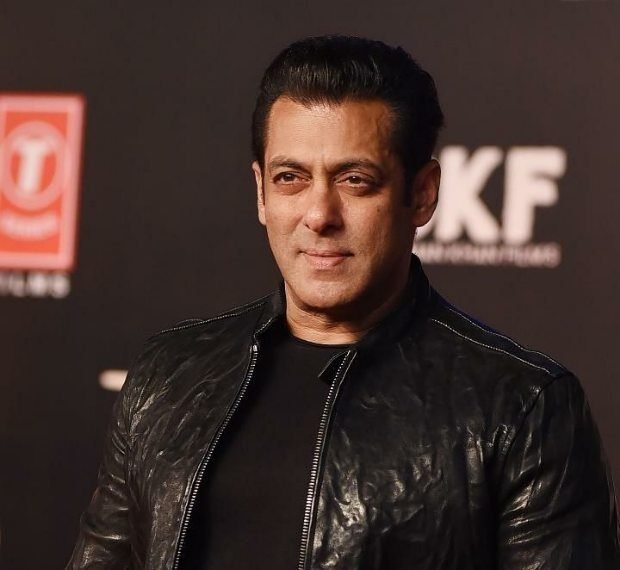
DPIFF’s latest Instagram reel revisits one of Salman Khan’s most memorable romantic-comedy characters: Prem Oberoi from Chal Mere Bhai. The post’s playful question—why choose a nonchalant man when you can have a Prem Oberoi—captures the enduring appeal of a character remembered for his warmth, charm and uncomplicated romantic energy.
Released in 2000, Chal Mere Bhai brought together Salman Khan, Sanjay Dutt and Karisma Kapoor in a David Dhawan comedy built around friendship, family and romance. Salman played Prem Oberoi, while Sanjay Dutt portrayed his brother, Vicky Oberoi. Karisma Kapoor appeared as Sapna Mehra, whose presence changes the equation between the two brothers.
Prem Oberoi and the appeal of the ideal romantic hero
Prem Oberoi belongs to the larger tradition of Hindi-film heroes who win audiences through personality as much as through the story. He is affectionate, expressive and emotionally available—qualities that make him an easy character to root for in a film driven by misunderstandings and romantic competition.
That appeal is central to the character’s continued recall. Unlike the distant or overly serious romantic leads often seen in popular cinema, Prem’s charm comes from his openness. He represents a style of Bollywood romance that is direct, playful and rooted in the belief that love should be pursued with sincerity rather than hesitation.
Salman Khan’s screen presence was particularly suited to the role. His performance combined comic timing with the easy confidence associated with many of his popular romantic characters. The result was a Prem who could carry a joke, participate in the film’s family drama and still remain emotionally legible to the audience.
What makes Chal Mere Bhai a lasting nostalgia favourite
Chal Mere Bhai arrived during a period when mainstream Hindi cinema frequently blended romance, comedy, music and family relationships into one broad entertainer. The film’s central brotherly bond gave the story a familiar emotional foundation, while the romantic conflict added the kind of heightened drama that was characteristic of Bollywood films of the era.
The pairing of Salman Khan and Sanjay Dutt also gave the film an appealing contrast. Their different screen personas allowed the brothers to occupy distinct spaces within the story, while their chemistry supplied much of the film’s comic and emotional rhythm. Karisma Kapoor’s character remained central to the romantic conflict, creating the situation around which the brothers’ relationship is tested.
For viewers who encountered the film during its original release or through later television and digital circulation, Prem Oberoi has become part of Bollywood’s nostalgia archive. Short clips and social-media reels often bring such performances back into public conversation, allowing familiar characters to be rediscovered by audiences who may not have experienced the films when they first appeared.
Why the character continues to resonate
The appeal of Prem Oberoi is not limited to the film’s plot. It also reflects the audience’s continued fondness for romantic heroes who are confident without being emotionally unavailable. In that sense, the character remains instantly recognisable even years after Chal Mere Bhai first reached theatres.
DPIFF’s post works because it turns that memory into a contemporary conversation. The contrast between a detached partner and a character like Prem Oberoi is humorous, but it also points to the qualities audiences continue to value in classic Bollywood romance: affection, loyalty, confidence and a willingness to make feelings clear.
DPIFF Instagram reference
Read the original DPIFF Instagram post featuring Prem Oberoi from Chal Mere Bhai on the official DPIFF Instagram page.
About Dadasaheb Phalke International Film Festival
Dadasaheb Phalke International Film Festival celebrates Indian cinema and the wider creative community through recognition, cultural programming and film-focused editorial initiatives. Named after Dadasaheb Phalke, widely regarded as the father of Indian cinema, the festival engages with the history, achievements and evolving possibilities of filmmaking. Its platforms also provide space for audiences to revisit influential performers, films and moments from Indian screen culture.
More than a nostalgic reference, Prem Oberoi remains a reminder of the enduring place of warmth and emotional openness in the Bollywood romantic-comedy tradition.


Share this link via



Share this link via

Share this link via