


Sai Pallavi’s Maa Sita Look in Ramayana Reflects Quiet Strength
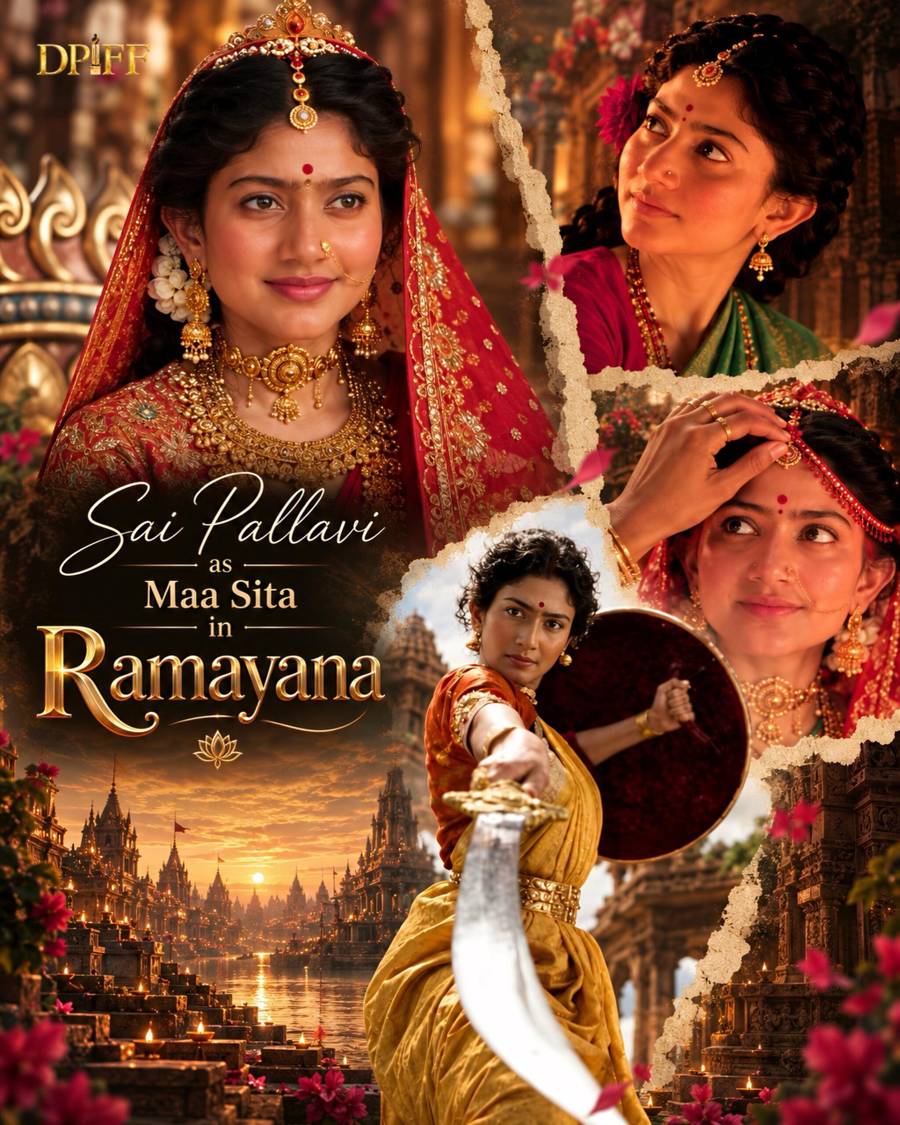
Sai Pallavi’s portrayal of Maa Sita in Ramayana has drawn attention for its understated visual language. A recent DPIFF Instagram post highlights the actor’s serene expression, traditional styling and dignified screen presence, presenting a version of Sita defined as much by inner strength as by grace.
The image offers a glimpse into the way the character is being visually imagined for the screen. Rather than relying on elaborate ornamentation or theatrical expression, the look appears rooted in restraint: regal traditional attire, a composed presence and expressions that suggest warmth, resilience and emotional depth.
A portrayal shaped by dignity and restraint
Maa Sita is one of the most enduring figures in Indian storytelling. Across regional retellings, stage productions, television adaptations and films, she has been interpreted through different cultural and artistic perspectives. Her character is often associated with compassion, moral conviction and devotion, but also with endurance and agency in the face of extraordinary circumstances.
That balance makes the casting and visual presentation of Sita particularly significant. The role calls for a performance that can communicate emotional intensity without constant dramatic display. Sai Pallavi’s screen persona, known for its naturalism and expressive subtlety, lends itself to a portrayal that can feel intimate while retaining the stature expected of a mythological figure.
For readers looking to understand the larger literary and cultural tradition behind the character, the Encyclopaedia Britannica overview of the Ramayana provides useful background on the epic and its continuing influence across South and Southeast Asia.
Why Sai Pallavi’s casting has generated interest
Sai Pallavi has built a distinctive place in contemporary Indian cinema through performances that prioritise emotional credibility over conventional glamour. From Premam and Fidaa to Love Story and Gargi, her work has demonstrated an ability to move between romance, drama and socially grounded narratives while maintaining a strong connection with audiences.
Her approach is especially relevant to a character such as Sita, whose emotional world cannot be reduced to appearance alone. The dignity of the role depends on the actor’s ability to convey affection, uncertainty, courage and conviction through small changes in expression and posture. This is also why early visual material can influence audience expectations long before a film reaches theatres.
More information about Sai Pallavi’s filmography and screen work is available through her IMDb profile, while her official Instagram presence offers a direct view of her public work and appearances.
Mythological cinema and the responsibility of representation
Large-scale mythological films carry a responsibility that extends beyond production design and spectacle. Audiences bring inherited memories, regional interpretations and personal associations to figures such as Sita. Every decision, from costume and jewellery to gesture and dialogue delivery, can therefore shape how a familiar character is received by different generations.
The visual treatment highlighted by DPIFF leans towards cultural rootedness rather than excess. That does not determine the full interpretation of the film, but it suggests an effort to establish Sita through poise and humanity. In a contemporary cinematic environment increasingly interested in ambitious Indian stories, such choices can help a mythological character remain emotionally accessible without losing symbolic importance.
It is also important to distinguish a character-focused visual post from a formal production announcement. The DPIFF post celebrates Sai Pallavi’s appearance as Maa Sita; it does not, by itself, confirm additional details about the film’s plot, release schedule or completed production. Readers should rely on official announcements from the filmmakers for those developments.
DPIFF’s visual reference
The original DPIFF post can be viewed here: Sai Pallavi as Maa Sita in Ramayana. The post focuses on the character’s serenity, dignity and connection to Indian heritage, offering a concise visual appreciation of the performance and styling.
Recent Coverage from DPIFF
DPIFF’s News section carries the festival’s latest editorial coverage on Indian cinema, performers, filmmakers and developments across the entertainment industry. As article availability and publication order may change, readers can consult the live newsroom for the three most recent relevant stories rather than relying on outdated or unverified links.
About Dadasaheb Phalke International Film Festival
Dadasaheb Phalke International Film Festival is an Indian film and entertainment platform dedicated to recognising cinematic achievement and engaging audiences with developments in the industry. Its editorial and festival initiatives cover performers, filmmakers, films, technical craft and the wider culture of Indian cinema. Through its official channels, DPIFF shares stories and visual features that place contemporary entertainment within a broader cinematic context.
Sai Pallavi’s Maa Sita look stands out because it presents the character through calm authority rather than spectacle alone. Whether audiences ultimately connect with the full performance will depend on the completed film, but the visual reveal has already opened a conversation about how one of Indian mythology’s most recognisable figures can be approached with grace, restraint and emotional clarity.



Share this link via


Share this link via

Share this link via

Share this link via