Raanjhanaa: Why Dhanush and Sonam Kapoor’s Love Story Still Lingers
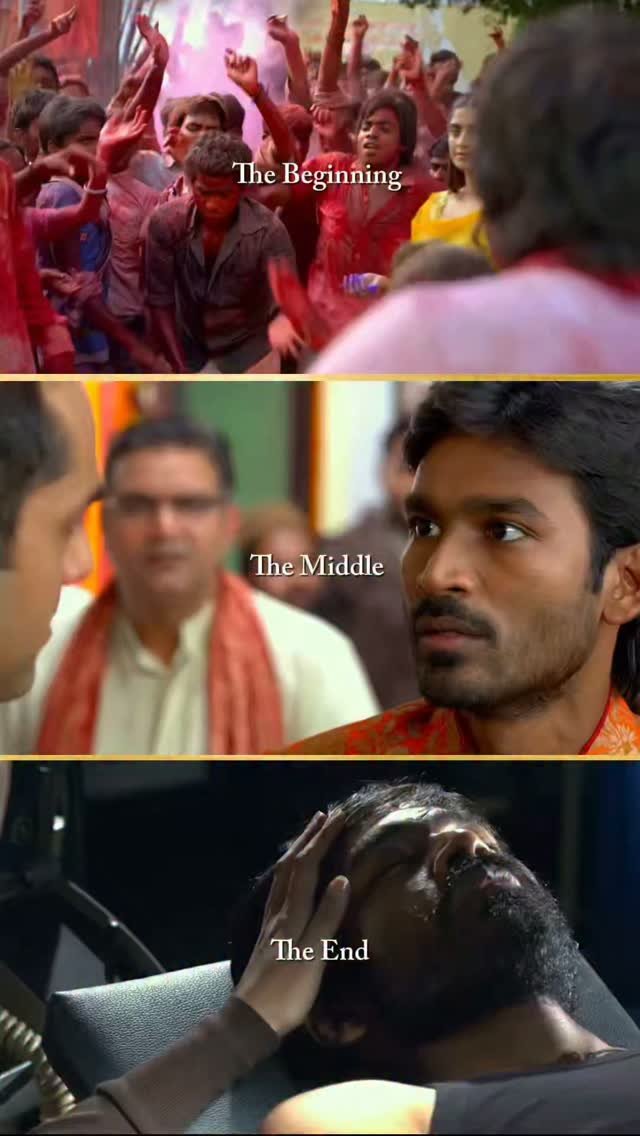
DPIFF’s recent Instagram feature on Raanjhanaa revisits a 2013 Hindi film whose emotional impact comes from its refusal to present love as simple, equal or entirely romantic. Directed by Aanand L. Rai, the film follows Kundan, played by Dhanush, whose enduring attachment to Zoya, portrayed by Sonam Kapoor, gradually becomes entangled with memory, ambition, friendship and difficult moral choices.
Rather than treating unrequited love as a passing phase, Raanjhanaa examines how years of longing can shape a person’s identity. Its central relationship begins with youthful intensity, but the consequences of that attachment become more complicated as Kundan and Zoya move into different stages of life. That shift gives the film its lasting unease: what feels innocent at one point can become painful, disruptive and impossible to sustain later.
A love story built around emotional imbalance
At the heart of Raanjhanaa is the unequal nature of Kundan and Zoya’s feelings. Kundan’s devotion remains constant, while Zoya’s emotional journey takes her in another direction. The film does not resolve this imbalance through a conventional romantic payoff. Instead, it asks whether love can remain meaningful when it is not returned in the way one person hopes.
This makes Kundan a deliberately complicated protagonist. His persistence can appear passionate, but it can also become intrusive and destructive. By allowing both sides of that reality to remain visible, the film moves beyond the familiar idea that determination is always proof of true love. The story’s emotional force comes partly from recognising that affection does not create an entitlement to another person’s life or choices.
Aanand L. Rai’s blend of romance and social drama
Aanand L. Rai’s direction places the relationship within a larger social and political landscape. The film begins with the texture of a youthful romance, but its world expands as the characters encounter questions of identity, ideology, class, friendship and public responsibility.
The screenplay by Himanshu Sharma gives the characters room to make choices that are emotionally understandable without always being morally comfortable. That approach prevents the film from becoming a straightforward tale of romantic sacrifice. Kundan’s personal decisions affect people beyond the relationship, while Zoya’s desire to move forward is connected to ambitions and commitments that cannot simply be set aside for his feelings.
For viewers exploring the work of the director, DPIFF’s official festival platform provides a wider institutional context for conversations around Indian cinema, its artists and its changing storytelling traditions.
Dhanush’s Hindi-film breakthrough
Raanjhanaa also holds an important place in Dhanush’s career because it marked his major Hindi-film debut. Coming from Tamil cinema, the actor entered a new language and industry with a performance that depended less on polished heroism than on vulnerability, impulsiveness and inner conflict.
His portrayal of Kundan is physically expressive but not limited to broad gestures. The character’s youthful energy, stubbornness and emotional dependence gradually give way to a more troubled presence. That transformation helped the performance travel across linguistic and regional boundaries, while also challenging the conventional image of a romantic male lead.
Sonam Kapoor’s Zoya is equally important to the film’s structure. She is not simply positioned as the object of Kundan’s devotion; her decisions are tied to her own memories, convictions and aspirations. Abhay Deol, meanwhile, adds another dimension to the emotional and ideological tensions surrounding the central pair.
Music, setting and the film’s emotional afterlife
The music of Raanjhanaa, composed by A. R. Rahman, became a significant part of the film’s identity. Songs such as “Tum Tak”, “Banarasiya” and “Aise Na Dekho” support different shades of the story, from infatuation and celebration to uncertainty and emotional distance. Rahman’s score gives the film a musical continuity that mirrors its movement between intimate romance and larger drama.
The setting is also central to the film’s character. Banaras is presented not merely as a backdrop but as a lived-in space shaped by neighbourhoods, rituals, waterways, memory and social relationships. As the narrative moves beyond the city, that contrast reinforces the distance between Kundan’s emotional past and the changing world around him.
For additional film details and cast information, readers can consult the IMDb listing for Raanjhanaa. The film’s public reference page on Rotten Tomatoes also offers a useful starting point for viewers who want to place it within the broader landscape of contemporary Hindi romance.
Why Raanjhanaa remains relevant
Many romantic films depend on the idea that persistence will eventually be rewarded. Raanjhanaa is more uncomfortable because it questions that assumption. It acknowledges the intensity of first love while also showing that emotional intensity alone cannot erase another person’s autonomy, change the past or guarantee a shared future.
That tension is one reason the film continues to invite discussion. Some viewers remember its songs and youthful romance; others focus on its treatment of obsession, consent, sacrifice and the consequences of confusing emotional endurance with mutual connection. Its enduring relevance lies in the fact that it does not offer an easy answer to those contradictions.
DPIFF’s Instagram reference
DPIFF’s Instagram reel presents Raanjhanaa as a soulful yet heartbreaking story about love, friendship, longing and acceptance. The post serves as the editorial starting point for this reflection on the film’s characters, performances and continuing cultural conversation.
Recent Coverage from DPIFF
DPIFF’s latest news and editorial section brings together the festival’s continuing coverage of cinema, filmmakers, performers and developments across the Indian entertainment industry. Readers can visit the newsroom directly for the most recently published articles and verified updates.
Because the available source material for this feature is the referenced Instagram post, specific recent article titles are not reproduced here without verification from the live DPIFF newsroom. This avoids attributing unconfirmed headlines or URLs to the festival.
About Dadasaheb Phalke International Film Festival
Dadasaheb Phalke International Film Festival is an Indian film-festival platform named after Dadasaheb Phalke, widely regarded as the father of Indian cinema. DPIFF recognises the contribution of artists and professionals across film and entertainment while creating space for conversations around Indian cinema. Through its official website and social channels, the festival shares film-related stories, institutional updates and cultural features with audiences.
Raanjhanaa remains memorable not because it turns complicated love into a perfect romance, but because it leaves viewers with the harder question of what love becomes when it is not shared equally. That emotional ambiguity continues to define the film long after its final scene.


Share this link via



Share this link via

Share this link via