


Michael Jackson at 67: Why Thriller Still Defines Pop Music
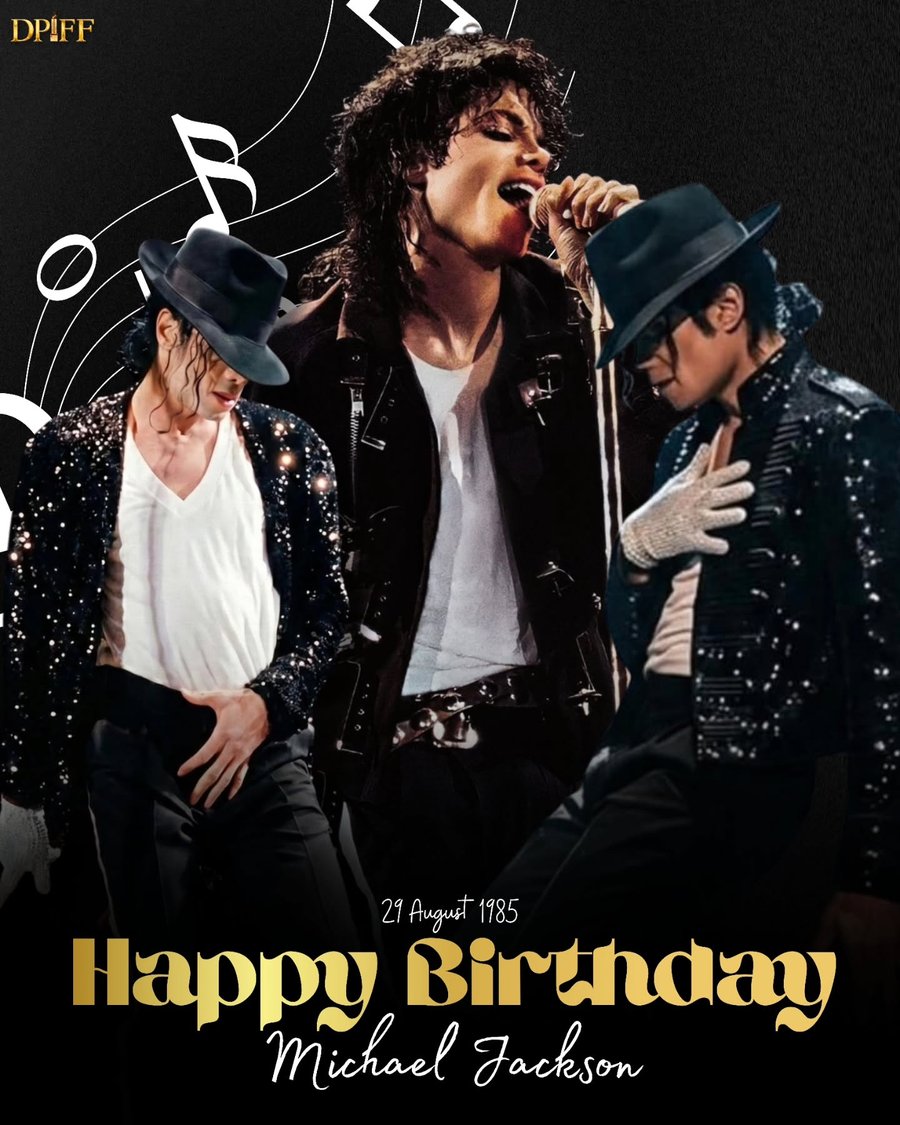
Michael Jackson’s birth anniversary offers an opportunity to revisit the extraordinary musical legacy of an artist whose influence extends far beyond his chart success. Born on 29 August 1958, Jackson reshaped the relationship between music, performance, choreography and visual storytelling, earning a place among the most recognisable figures in global popular culture.
Known worldwide as the King of Pop, Jackson developed a performance language that combined precision, theatrical movement and an unmistakable visual identity. His stagecraft helped turn the music video into a major creative form, while songs such as Billie Jean, Beat It and Thriller became enduring references for generations of performers and listeners.
Thriller remains a defining album in music history
At the centre of Jackson’s legacy is Thriller, released in 1982. The album brought together pop, rock, funk and rhythm and blues in a way that reached an exceptionally broad international audience. Its success was supported by a run of landmark singles, each accompanied by a distinct musical and visual identity.
Billie Jean became one of Jackson’s signature recordings, while Beat It demonstrated the album’s ability to cross genre boundaries. The title track, accompanied by its elaborate horror-inspired film directed by John Landis, expanded expectations for what a music video could achieve in scale, narrative and production design.
At the 26th Grammy Awards in 1984, Thriller helped Jackson win eight awards in a single night, a record-setting achievement at the time. The milestone reflected not only the album’s commercial reach, but also the recognition of its songwriting, production, vocal performance and broader artistic ambition.
How Michael Jackson changed the modern pop performance
Jackson’s importance cannot be measured by recordings alone. His choreography became central to his public identity, with movements such as the moonwalk entering the shared vocabulary of popular entertainment. He treated live performance as a complete production, combining music, lighting, costume, dance and cinematic staging.
That approach influenced artists across music and entertainment. Contemporary pop concerts, award-show performances and music videos continue to draw on the model Jackson helped establish: the performer is not only a vocalist, but also a dancer, visual storyteller and carefully constructed stage presence.
His music videos were particularly important to the development of the form. Rather than serving simply as promotional clips, projects associated with Thriller presented detailed concepts, choreography and narrative structure. This helped make the music video a destination for audiences and an important space for directors, choreographers and production designers.
A legacy that continues across generations
Jackson’s catalogue remains relevant because it connects memorable songwriting with highly recognisable performance. His work continues to be studied and referenced by singers, dancers, choreographers and filmmakers, while his songs remain part of radio, streaming and live entertainment culture around the world.
Remembering Michael Jackson on his birth anniversary is therefore more than a celebration of a celebrated recording artist. It is also a recognition of the ways he expanded the possibilities of pop music as a total visual and performance experience. His influence can be seen wherever music, movement and spectacle are brought together to create a lasting cultural moment.
DPIFF’s tribute to Michael Jackson
Dadasaheb Phalke International Film Festival marked Michael Jackson’s birth anniversary through an Instagram tribute highlighting his contribution to popular music, choreography, music videos and performance. The post also revisited the enduring significance of Thriller and its iconic tracks.
Read the original post on DPIFF’s official Instagram account.
Recent Coverage from DPIFF
DPIFF’s latest editorial updates, including coverage of cinema, entertainment personalities and developments across the film industry, are available through the festival’s official News section. Readers can visit the page for the most recent published articles and festival-related stories.
About Dadasaheb Phalke International Film Festival
Dadasaheb Phalke International Film Festival is an Indian film and entertainment platform that recognises creative and technical excellence across cinema and related fields.
The festival celebrates the contribution of artists, filmmakers and professionals who shape the moving-image industry.
Through its awards, editorial work and official communications, DPIFF connects audiences with important developments in Indian and international entertainment.
Its coverage reflects a broader commitment to acknowledging artistic achievement and the cultural influence of cinema.
Sources and further reading
For historical details on Michael Jackson’s career and the Grammy recognition for Thriller, readers may consult the official Grammy artist archive and the Rock & Roll Hall of Fame profile.



Share this link via




Share this link via

Share this link via