Kalank: Why the 2019 Film Still Resonates as a Tragic Love Story
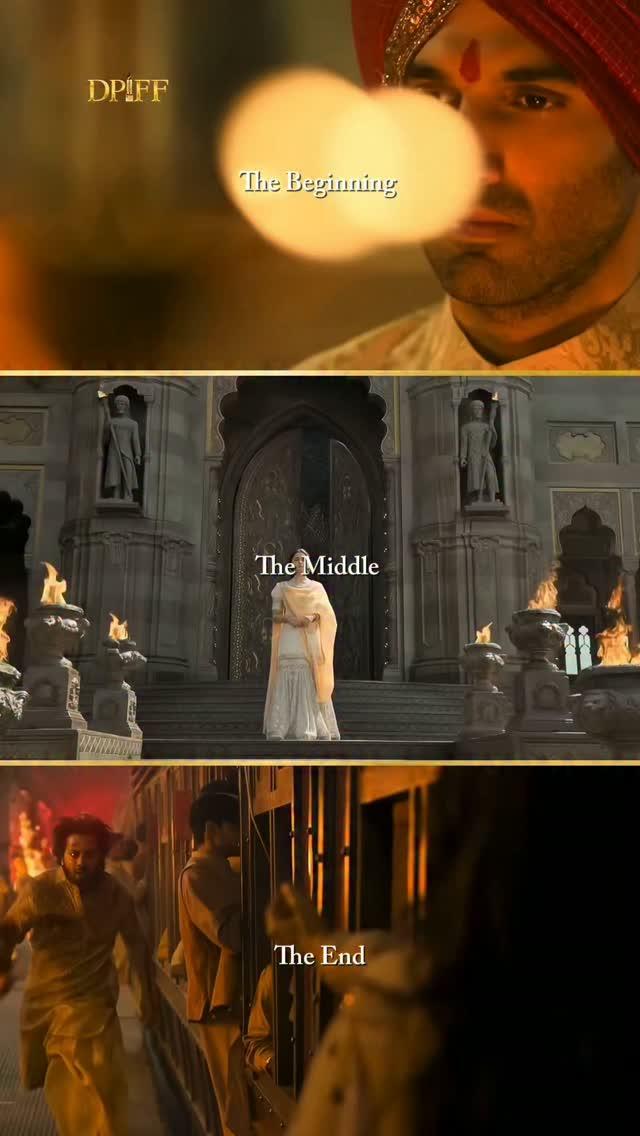
DPIFF’s recent Instagram post revisits Kalank as a story of love, sacrifice, separation and emotional memory. Although the Hindi film arrived in 2019, its central idea—that some relationships remain powerful even after they are broken by circumstance—continues to give it a distinct place in contemporary Bollywood conversations about tragic romance.
Directed by Abhishek Varman, Kalank brought together an ensemble cast led by Varun Dhawan, Alia Bhatt, Aditya Roy Kapur, Sonakshi Sinha, Madhuri Dixit and Sanjay Dutt. Set against the social and political tensions of pre-Independence India, the film used a period setting to explore desire, marriage, identity and the consequences of choices made under pressure.
A love story shaped by duty and separation
At the heart of Kalank is Roop, played by Alia Bhatt, whose life changes after she enters into an arranged marriage with Dev Chaudhry, portrayed by Aditya Roy Kapur. Dev’s emotional past and Roop’s growing connection with Zafar, played by Varun Dhawan, create the film’s central conflict. The relationship is not presented as a simple romantic escape; it is tied to social expectations, family histories and the limitations imposed by the world around the characters.
That tension gives the film its tragic character. The protagonists are not separated only by personal misunderstanding. Their choices are influenced by class, family honour, marriage and a society approaching a major historical rupture. In this context, love becomes both an intimate feeling and a force that challenges the structures governing the characters’ lives.
The period world of Kalank
The film’s setting is the fictional town of Husnapur, a carefully designed world of grand homes, crowded streets and the red-light district of Bahaar Begum. This visual contrast allows Kalank to move between privilege and marginalisation while showing how different characters experience the same social order.
Production design, costumes and cinematography play a major role in establishing the film’s atmosphere. The elaborate visual treatment gives the story a heightened, almost mythic quality, while the recurring imagery of fire, water and colour reinforces its themes of passion, destruction and renewal. The scale of the world is important because the film treats its romance as part of a larger social landscape rather than as an isolated relationship.
Performances that carry the emotional weight
Kalank brought together performers from different generations of Hindi cinema. Varun Dhawan’s Zafar is defined by anger, vulnerability and a desire to understand his origins. Alia Bhatt’s Roop begins as someone entering an unfamiliar emotional and social environment, and her performance follows the character’s gradual movement towards self-awareness.
Aditya Roy Kapur’s Dev is a man divided between responsibility and unresolved emotion, while Sonakshi Sinha’s Satya embodies the pain of living with knowledge that cannot be openly expressed. Madhuri Dixit’s Bahaar Begum and Sanjay Dutt’s Balraj Chaudhry add a generational dimension to the narrative, connecting the younger characters’ choices with older wounds and concealed histories.
Music, memory and the film’s lasting identity
The music of Kalank became one of the film’s most recognisable elements. Songs such as “Kalank”, “Ghar More Pardesiya”, “First Class” and “Aira Gaira” complemented the film’s period setting while reaching audiences beyond the narrative itself. “Ghar More Pardesiya”, featuring Alia Bhatt and Madhuri Dixit, also drew attention for its classical dance presentation and elaborate staging.
The title track, “Kalank”, captures the film’s emotional vocabulary particularly clearly. Its imagery connects love with pain, guilt and permanence, suggesting that an intense relationship can leave behind both tenderness and damage. This is the idea reflected in DPIFF’s post: the “kalank”, or blemish, is not merely a mark of shame but a lasting reminder of something that changed a person’s life.
Why Kalank continues to invite discussion
As a film, Kalank is notable for combining a large-scale period drama with the conventions of a tragic love story. Its appeal lies less in presenting romance as uncomplicated happiness and more in examining how love is affected by family, social position and historical change.
That approach also explains why the film remains relevant in discussions of Bollywood romance. Stories with unresolved or painful endings often stay with audiences because they resist emotional closure. Instead of allowing love to erase every obstacle, Kalank presents memory itself as the final connection between people who cannot remain together.
The film’s legacy therefore extends beyond its plot. Its performances, music and visual design continue to be revisited, while its central themes speak to viewers who see romance not only as fulfilment but also as sacrifice, longing and the lasting impact of loss.
DPIFF’s Instagram reference
Dadasaheb Phalke International Film Festival reflected on the emotional core of Kalank in its Instagram video, describing the film as a story of love, heartbreak, longing and destiny. The original post can be viewed on DPIFF’s official Instagram page.
Recent Coverage from DPIFF
DPIFF’s latest editorial updates and film-related features are published on the festival’s official News page. Readers can visit the page for the most recent verified coverage from the festival, including updates on Indian cinema, artists, achievements and events.
About Dadasaheb Phalke International Film Festival
Dadasaheb Phalke International Film Festival is an Indian film and entertainment platform named after Dadasaheb Phalke, widely regarded as the father of Indian cinema. DPIFF recognises creative contributions across the film and television industries and publishes editorial coverage on cinema, artists and significant developments in entertainment. Through its digital platforms, the festival connects audiences with stories celebrating the continuing evolution of Indian cinema.
By revisiting Kalank, DPIFF’s post draws attention to a familiar but enduring truth of tragic romance: some stories are remembered not because they end happily, but because their emotional imprint refuses to disappear.


Share this link via



Share this link via

Share this link via