


India’s Growth Story: How Digital Infrastructure Is Changing the Country
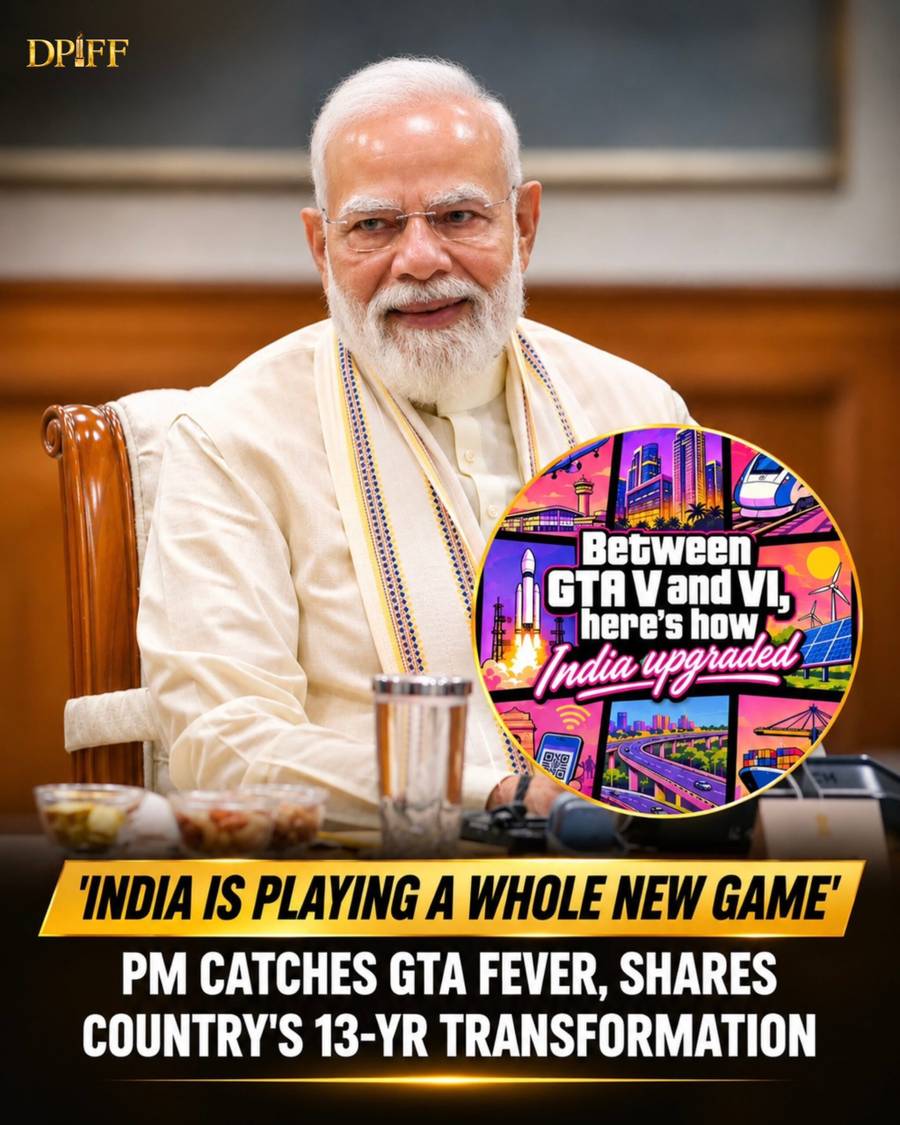
India’s transformation is increasingly visible in the systems that shape everyday life. A carousel shared by the Dadasaheb Phalke International Film Festival on Instagram points to this shift through the lenses of digital infrastructure, technology, connectivity, innovation and economic growth.
The post does not present progress as a single event or isolated achievement. Instead, it captures a broader national transition: India is building the infrastructure, platforms and capabilities needed to participate more decisively in the global digital economy. That change has implications well beyond business and government. It is also influencing how audiences consume content, how creative industries operate and how Indian stories travel.
Digital public infrastructure has become a defining part of India’s progress
One of the most significant aspects of India’s growth story is the expansion of digital public infrastructure. The Digital India programme has helped place digital access, online services and technology-led governance at the centre of national development.
Platforms for identity, payments and service delivery have made digital transactions a routine part of life for millions of Indians. The growth of the Unified Payments Interface, operated within the country’s payments ecosystem and supported by the National Payments Corporation of India, is one example of how technology can move from being an urban convenience to a widely used public utility.
This infrastructure matters because it creates a foundation on which businesses, creators and institutions can build. Faster payments, online access to services and expanding connectivity reduce friction for consumers and open new routes to participation.
Connectivity is reshaping access to information and entertainment
Improved internet and mobile connectivity have changed the relationship between audiences and media. Viewers are no longer dependent on a small number of distribution channels or on geography to discover films, music and cultural content. Streaming platforms, social media and digital video have created a more immediate and diverse entertainment environment.
For Indian cinema, this shift has widened the potential audience for stories made in different languages and regions. A film can now find viewers outside its original market through subtitles, dubbing and digital distribution. The same infrastructure has also given independent filmmakers, performers and production teams more opportunities to present their work and build communities around it.
The change is visible in film promotion as well. Trailers, interviews, behind-the-scenes material and festival announcements can reach audiences directly, while social platforms allow cultural institutions to communicate without relying entirely on traditional media channels. DPIFF’s own use of Instagram reflects how festivals and entertainment organisations now participate in this connected public conversation.
Innovation is moving from aspiration to application
Innovation is often discussed in terms of emerging technologies, but its significance is best understood through practical use. Digital tools are helping organisations manage operations, reach customers, analyse audiences and deliver services more efficiently. In the creative economy, technology is influencing production workflows, visual effects, editing, distribution and audience measurement.
India’s technology ecosystem has also strengthened the connection between established institutions and younger companies. This relationship is important for sectors such as media and entertainment, where new tools can alter how content is created, marketed and experienced. Artificial intelligence, virtual production and data-led audience insights are among the developments likely to shape the next phase of the industry, although their adoption must remain guided by transparency, creativity and responsible use.
Economic growth and cultural influence are increasingly connected
The World Bank’s India overview places the country’s development within a wider economic and social context. Growth is not only measured through headline indicators. It is also reflected in the expansion of opportunity, the ability to connect markets and the emergence of new participants in the formal and digital economy.
For the film and entertainment sector, a growing economy can support stronger production ecosystems, more specialised employment and greater investment in technology. It can also encourage Indian companies and creators to think beyond domestic distribution. As the country’s digital reach expands, Indian entertainment has more avenues to engage audiences across borders.
That international visibility is particularly relevant to film festivals. Festivals provide a meeting point for cinema, cultural exchange and industry dialogue. They preserve the legacy of filmmaking while also creating space for new voices, changing formats and emerging forms of storytelling.
Why India’s transformation matters to the creative industries
The transformation described in DPIFF’s post is therefore relevant to cinema even though it is not about a single film or performer. Every improvement in connectivity, digital access and technological capability changes the conditions under which films are made, promoted and viewed.
It also changes audience expectations. Viewers increasingly seek convenience, variety and personal relevance, while creators are expected to engage with audiences across multiple platforms. The most durable opportunities will belong to organisations that combine technological progress with strong storytelling, cultural understanding and responsible editorial choices.
India’s new phase of development is best understood as an ongoing process rather than a finished destination. The country is building systems that connect people, ideas, businesses and creative work at a scale that would have been difficult to imagine in earlier decades. That is the larger meaning behind DPIFF’s observation that India is playing a new game.
DPIFF’s Instagram reference
The discussion is based on the DPIFF carousel post published on Instagram: India’s changing growth story and its evolving digital landscape. Readers can view the original post for the visual comparison and framing that prompted this editorial.
Recent Coverage from DPIFF
DPIFF’s official news section carries the festival’s latest editorial updates, entertainment features and announcements. As the publication’s newsroom archive is updated regularly, readers can refer to it for the most recent verified coverage from the festival.
About Dadasaheb Phalke International Film Festival
Dadasaheb Phalke International Film Festival is an Indian film and entertainment platform named after Dadasaheb Phalke, widely recognised as the father of Indian cinema. DPIFF celebrates cinematic achievement, honours contributions to the industry and provides a space for conversations around Indian and global filmmaking. Through its editorial and digital channels, the festival also connects audiences with developments across cinema and entertainment.
India’s growth story is being written through infrastructure, innovation and participation. Its effect on cinema will be measured not only by bigger platforms, but also by the wider range of voices and audiences those platforms make possible.



Share this link via



Share this link via

Share this link via

Share this link via