Why Golmaal Returns Still Works as a Bollywood Comedy Favourite
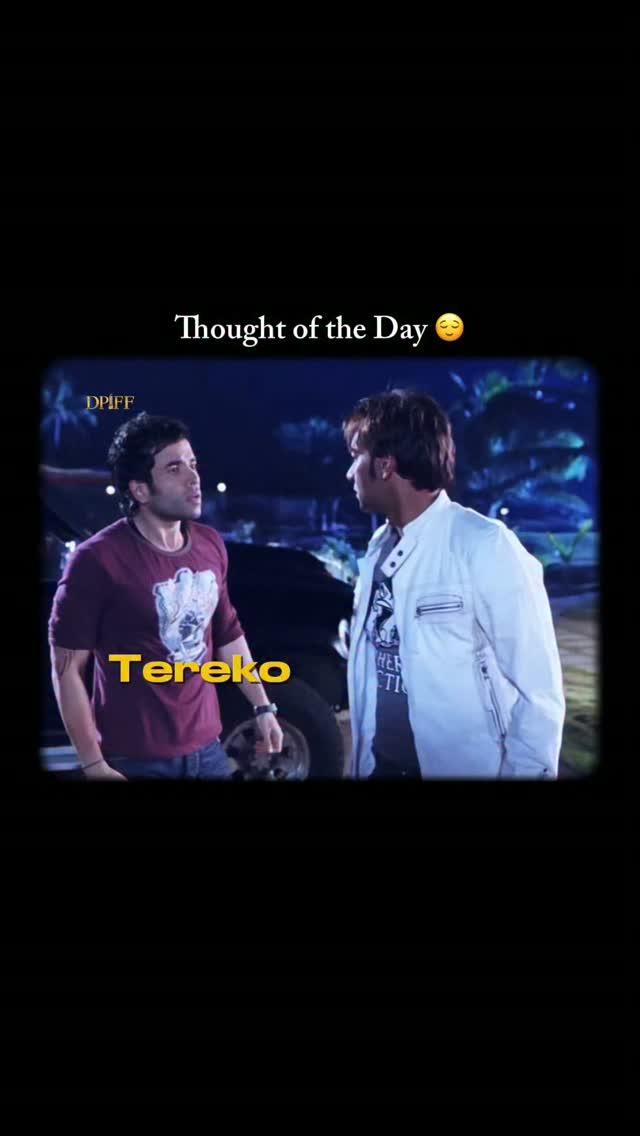
DPIFF’s recent Instagram reel revisits Golmaal Returns as a film remembered for its chaos, comic misunderstandings and instantly recognisable one-liners. Released in 2008, the Rohit Shetty-directed Hindi comedy remains a notable part of the modern Golmaal franchise and continues to resurface in conversations about Bollywood’s most rewatchable entertainers.
The film features Ajay Devgn, Kareena Kapoor Khan, Arshad Warsi, Tusshar Kapoor and Shreyas Talpade in an ensemble built around suspicion, mistaken identity and escalating confusion. Rather than relying on a single comic lead, Golmaal Returns draws much of its energy from the contrasting personalities of its characters and the way their misunderstandings collide.
A comedy built on confusion and timing
At the centre of Golmaal Returns is a relationship tested by doubt and comic misinterpretation. Gopal, played by Ajay Devgn, finds himself caught in a series of situations that grow increasingly absurd, while Ekta, played by Kareena Kapoor Khan, brings an equally strong presence to the film’s domestic and emotional conflicts.
The movie’s humour is driven less by realism than by rhythm. Characters enter at precisely the wrong moment, explanations create new problems and apparently simple situations spiral into elaborate confusion. That structure gives the film a theatrical quality, with scenes designed around reactions, interruptions and sharply timed exchanges.
The importance of the ensemble
One reason the film remains familiar to audiences is its ensemble format. Arshad Warsi and Tusshar Kapoor, associated with the franchise’s comic identity, contribute to the group dynamic, while Shreyas Talpade adds another layer to the film’s collection of eccentric personalities. The supporting cast is not treated as background; each character helps push the central misunderstanding further.
Rohit Shetty’s direction places the performers within a broad, high-energy comic world. The visual style, exaggerated reactions and rapid shifts between suspicion and revelation are all part of the film’s deliberately heightened tone. This approach became a recognisable feature of Shetty’s comedy films and helped distinguish the Golmaal series within mainstream Hindi cinema.
Why audiences continue to revisit the film
The nostalgia attached to Golmaal Returns is connected not only to its story but also to the viewing habits surrounding it. Films from the late 2000s continue to find new audiences through television reruns, digital platforms, short-form video clips and shared references online. Memorable scenes and dialogue can therefore outlive the original theatrical cycle.
Comedy is especially suited to repeat viewing. A viewer may return to a familiar film for a particular performance, a favourite exchange or simply the comfort of knowing how the chaos unfolds. In the case of Golmaal Returns, the combination of ensemble performances and recurring misunderstandings makes individual moments easy to remember and share.
That does not mean every aspect of an older comedy is viewed in exactly the same way today. Audience expectations, ideas about humour and standards of representation change over time. Yet the film’s continued recall demonstrates how strongly its character combinations, performance style and comic set pieces entered popular memory.
Its place in the Golmaal franchise
Golmaal Returns followed Golmaal: Fun Unlimited and expanded the series’ comic world with a new story and a larger ensemble. Its success helped establish the franchise as one of the prominent comedy brands in contemporary Bollywood, leading to further instalments in the years that followed.
The series’ enduring identity comes from its emphasis on group comedy rather than a single central joke. Each film places familiar performers in new situations, allowing audiences to recognise the broad comic chemistry while still encountering a different set of conflicts. That balance between familiarity and variation remains an important reason the franchise has stayed visible in popular culture.
DPIFF’s Instagram reference
DPIFF’s nostalgia-focused reel highlights the film’s lasting recall through its comic confusion, ensemble energy and memorable one-liners. View the original post on the Dadasaheb Phalke International Film Festival Instagram page.
About Dadasaheb Phalke International Film Festival
Dadasaheb Phalke International Film Festival is a film-focused platform that celebrates achievements across Indian and international cinema. Named after Dadasaheb Phalke, widely regarded as the father of Indian cinema, the festival recognises contributions from actors, filmmakers, technicians and other creative professionals. Through its awards, editorial initiatives and digital communication, DPIFF connects audiences with significant developments and enduring moments in film culture.
More than a decade after its release, Golmaal Returns remains a useful reminder of how mainstream comedy becomes part of collective memory: through performances, catchphrases, repeated television viewings and the simple pleasure of returning to a familiar world of cinematic chaos.


Share this link via



Share this link via

Share this link via