Dhanak: How Nagesh Kukunoor’s Film Makes Sibling Love the Story
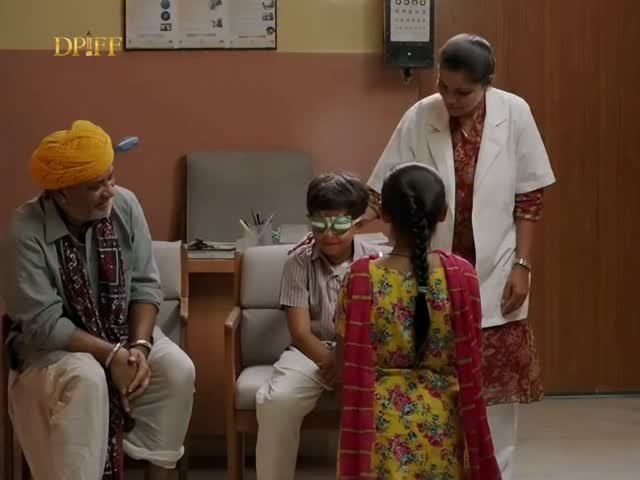
DPIFF’s Instagram post on Dhanak draws attention to the film’s most enduring quality: its deeply affectionate portrayal of sibling love. Rather than treating the bond between brother and sister as a supporting element, Nagesh Kukunoor’s 2016 Hindi film places that relationship at the centre of an emotional journey shaped by hope, hardship and childhood faith.
The film follows Pari and her younger brother Chotu, two children from Rajasthan who set out on a long journey after Pari becomes convinced that a famous film star can help restore her brother’s eyesight. Their adventure is simple in its premise, but emotionally expansive in its treatment of family, responsibility and imagination.
A story built around trust and responsibility
At the heart of Dhanak is the contrast between Pari’s determination and Chotu’s vulnerability. Pari takes on the role of protector, guide and older sibling, yet the film does not present her as an invincible hero. She is a child herself, navigating fear, uncertainty and the consequences of making decisions beyond her years.
Chotu, meanwhile, is not defined only by his blindness. His humour, curiosity and stubbornness give the relationship its warmth and energy. The two argue, tease each other and occasionally lose patience, but those disagreements make their bond feel lived-in rather than idealised. Their love is expressed through everyday actions: walking together, sharing limited resources, offering reassurance and continuing even when the journey becomes difficult.
That balance is one reason the film continues to resonate with audiences. Dhanak understands that sibling relationships are rarely made up of affection alone. They also contain irritation, competition and disagreement. Yet beneath those moments is a sense of loyalty that remains steady when circumstances become uncertain.
Nagesh Kukunoor’s child-centred road film
Written and directed by Nagesh Kukunoor, Dhanak belongs to the tradition of Indian road films in which physical movement becomes a form of emotional discovery. The journey across Rajasthan gives the film an open, often colourful visual landscape, while the children’s perspective keeps the storytelling intimate and accessible.
The film’s emotional power comes from its refusal to make the children’s world feel insignificant. Their goal may appear impossible to adults, but the film treats their belief with respect. Pari and Chotu are not merely being carried through a story designed for them; they are the ones making choices, interpreting the world and defining what hope means to them.
That approach also allows Dhanak to explore larger themes without losing its gentleness. The film touches on disability, poverty, childhood independence and the influence of cinema, but it does so through the children’s experiences rather than through heavy exposition. The result is a film that remains emotionally direct while leaving room for reflection.
The performances that anchor the film
Hetal Gada and Krrish Chhabria lead the film as Pari and Chotu. Their performances are central to its credibility because the story depends on the natural rhythm between the two characters. The emotional movement of the film is carried not only by major dramatic moments, but also by their silences, playful exchanges and disagreements.
The film’s focus on children also gives its storytelling a distinctive tone. Adults appear along the way, but the narrative remains closely connected to the siblings’ understanding of events. This keeps the audience emotionally aligned with their hopes, even when the practical difficulties of their journey are clear.
Why Dhanak remains relevant during Rakshabandhan
The DPIFF post connects Dhanak with the spirit of Rakshabandhan, a festival often associated with the affection and responsibilities shared by siblings. While the film is not limited to a single festival occasion, its central relationship makes it especially meaningful in that context.
Importantly, the film presents sibling love as mutual rather than one-sided. Pari protects Chotu, but Chotu also gives her emotional strength and a reason to keep moving forward. Their relationship is not only about care from an elder sibling to a younger one; it is also about companionship, shared courage and the belief that neither child should face the world alone.
In this sense, Dhanak offers a broader understanding of family bonds. Love is shown not through grand declarations, but through persistence. The siblings continue to stand by one another after arguments, disappointments and moments of fear. That emotional honesty gives the film its lasting appeal.
Recognition beyond its intimate scale
Although Dhanak is a modest, child-focused film, its appeal reached well beyond its immediate premise. The film premiered at the Berlin International Film Festival in 2015 and received the Grand Prix in the Generation Kplus section. It was also recognised at India’s National Film Awards as the Best Children’s Film.
These achievements underline the film’s ability to connect a personal story with wider audiences. Its themes are culturally specific in setting, yet universal in feeling. The longing to protect a sibling, the desire to believe in a better outcome and the courage to keep going are experiences that audiences can recognise across age groups and backgrounds.
DPIFF’s Instagram reference
The discussion of Dhanak and its portrayal of sibling love was prompted by DPIFF’s Instagram reel. The original post can be viewed here: DPIFF’s Instagram post on Dhanak.
About Dadasaheb Phalke International Film Festival
Dadasaheb Phalke International Film Festival is an Indian film festival named after Dadasaheb Phalke, widely regarded as the father of Indian cinema. The festival recognises creative contributions across Indian cinema and provides a platform for celebrating filmmakers, performers and other film professionals. Through its editorial and social platforms, DPIFF also highlights films and stories that hold lasting cultural and emotional value.
Dhanak remains memorable because it makes a small, personal relationship feel significant without overstating it. Pari and Chotu’s journey is ultimately a story about standing beside someone when the path ahead is uncertain—a message that gives the film its continuing emotional strength.


Share this link via



Share this link via

Share this link via