How Shah Rukh Khan’s Darr Made ‘Happy Birthday’ Sound Like a Warning
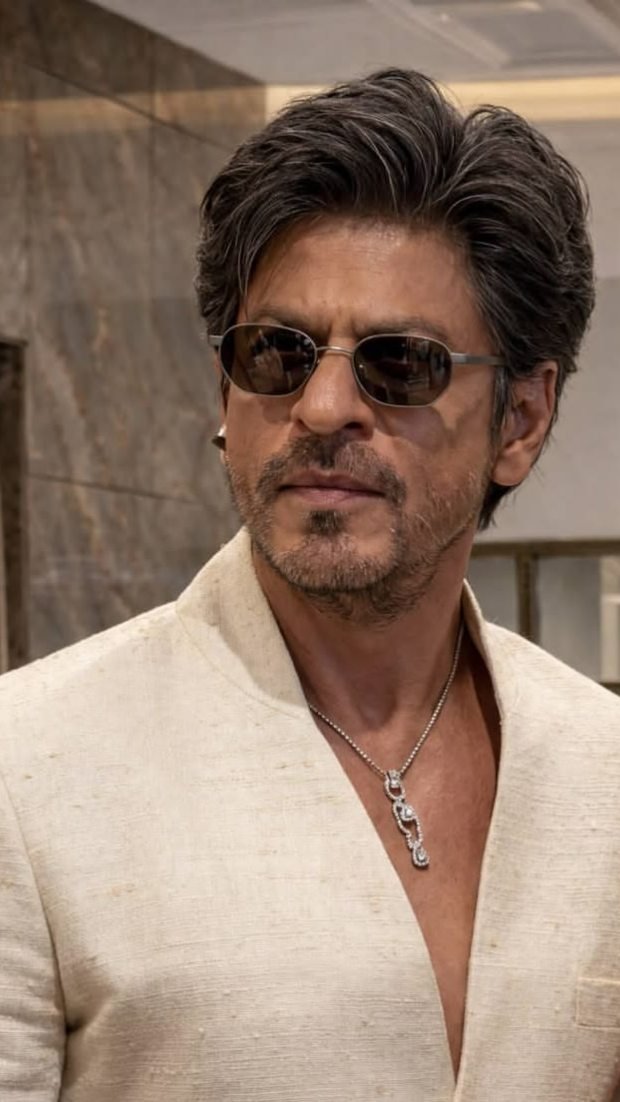
A familiar birthday greeting takes on an entirely different tone when it is filtered through Shah Rukh Khan’s performance in Darr. A recent DPIFF Instagram Reel plays on that enduring pop-culture association, turning “Happy Birthday” from a cheerful wish into a comic reminder of Rahul Mehra’s unsettling presence.
The joke works because Darr remains one of the defining films of Shah Rukh Khan’s early career. Released in 1993 and directed by Yash Chopra, the psychological romantic thriller presented Khan as Rahul Mehra, a man whose obsessive love for Kiran transforms him into a deeply threatening figure. The role was far removed from the conventional romantic hero image, and it helped establish the actor’s ability to command attention even while playing a morally disturbing character.
The Darr effect and Shah Rukh Khan’s breakthrough performance
Before becoming one of Indian cinema’s most recognisable stars, Shah Rukh Khan built a reputation for taking emotionally intense and unconventional parts. In Darr, he leaned into nervous energy, vocal repetition and unpredictable behaviour to create a character who could appear vulnerable one moment and frightening the next.
Rahul’s fixation on Kiran, played by Juhi Chawla, drives the film’s central conflict. Sunny Deol plays Sunil, Kiran’s husband and the figure standing between Rahul and the fantasy he has constructed around her. The film’s tension comes not from presenting Rahul as a misunderstood lover, but from showing how obsession can become possessive, invasive and dangerous.
That distinction is important to the film’s lasting impact. Darr uses the language of romance while steadily exposing the fear beneath Rahul’s pursuit. Khan’s performance made the character memorable precisely because it resisted easy classification: Rahul was dramatic, wounded and charismatic, but also threatening.
Why the “K-k-k-Kiran” reference still resonates
One of the film’s most recognisable elements is Rahul’s repeated pronunciation of Kiran’s name. The stammered “K-k-k-Kiran” became one of the most quoted mannerisms in Hindi cinema, often referenced in comedy, celebrity posts and social-media culture.
Its continued popularity shows how dialogue and performance can outlive the original context of a film. In Darr, the repetition is part of Rahul’s psychological portrait. Outside the film, it has become shorthand for exaggerated intensity, making even an ordinary message such as a birthday greeting sound deliberately ominous.
The DPIFF post draws on that shared cultural memory rather than presenting a new film announcement or a factual development. Its humour depends on viewers recognising the contrast between the warmth of “Happy Birthday” and the threatening undertone associated with Rahul Mehra. That contrast is what creates the “Darr effect” referenced in the caption.
Darr’s place in Hindi film history
Darr occupies a notable place in the evolution of the Hindi film hero and antihero. Popular cinema had long used romance, rivalry and melodrama as key storytelling elements, but Yash Chopra’s film placed psychological obsession at the centre of a mainstream narrative.
The film also demonstrated the power of casting against expectation. Shah Rukh Khan did not play the reassuring romantic lead audiences would traditionally root for; instead, he became the source of the film’s unease. That creative choice helped broaden the range of roles associated with the actor and remains a significant part of discussions about his early screen work.
At the same time, Darr is best viewed through a contemporary lens. Its portrayal of stalking and possessive behaviour belongs to a cinematic period in which dangerous pursuit could be framed through heightened romance and melodrama. Modern viewers are more likely to distinguish between dramatic intensity and healthy affection, making the film relevant not only as nostalgia but also as a text that invites discussion about how popular cinema represents obsession.
The DPIFF Instagram reference
DPIFF’s Reel uses the familiar Darr reference as a light-hearted piece of Bollywood nostalgia. The original post can be viewed on the DPIFF Instagram page.
“When ‘Happy Birthday’ sounds less like a wish and more like a warning… The Darr effect is real.”
The post captures a broader truth about Hindi cinema: certain performances become cultural shorthand. In this case, a single character, a memorable vocal tic and Shah Rukh Khan’s intensity are enough to change the emotional meaning of an everyday phrase.
About Dadasaheb Phalke International Film Festival
Dadasaheb Phalke International Film Festival is an Indian film festival and entertainment platform named after Dadasaheb Phalke, widely regarded as the father of Indian cinema.
The festival recognises creative contributions across Indian and international cinema while celebrating actors, filmmakers, technicians, musicians and other professionals who shape the film industry.
Through its digital platforms and editorial communication, DPIFF also revisits significant films, performances and cultural moments that continue to influence audiences.
That makes Darr an especially fitting subject for a nostalgia-led reference: its impact can still be recognised in the way audiences quote, reinterpret and joke about its most memorable elements.


Share this link via



Share this link via