Ariana Grande’s ‘7 Rings’ and Bollywood’s Desi Wish-Fulfilment Lyric
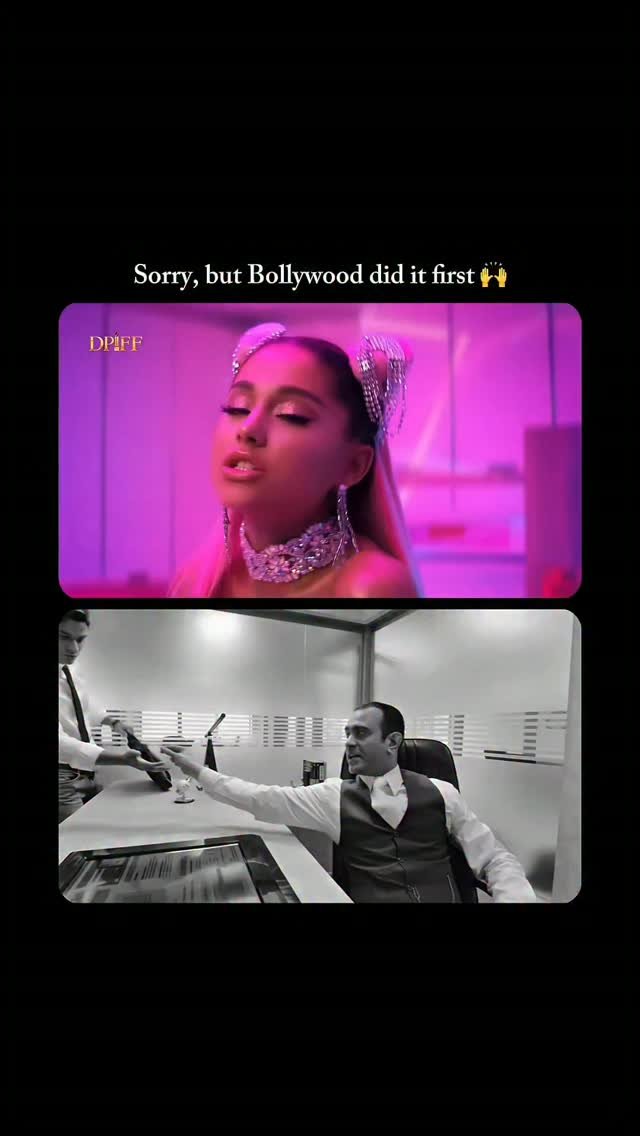
DPIFF’s latest Instagram Reel draws attention to a familiar lyrical idea shared by Ariana Grande’s “7 Rings” and a Hindi film-song expression: wanting something, asking for it and ultimately receiving it. The post pairs Grande’s instantly recognisable line, “I wanted it, I got it,” with the Hindi phrase “Maanga jo, dekha jo, mila wahi,” presenting the comparison as a playful reminder of how often Bollywood has expressed confidence, desire and wish fulfilment through music.
Released in January 2019, “7 Rings” became one of Ariana Grande’s signature pop songs. Its central refrain turns acquisition into an attitude, with the song presenting luxury, friendship and self-indulgence through a highly memorable hook. The accompanying visual world of the track reinforced that mood through bold styling, lavish settings and a celebration of personal choice.
Why the Bollywood comparison feels familiar
The sentiment highlighted by DPIFF is not limited to one musical tradition. Popular cinema frequently uses songs to express a character’s aspirations before, during or after a major turning point. In Hindi film music, a line about receiving what one desires can suggest romance, success, prosperity or the confidence that a dream is within reach.
That is what makes the comparison immediately recognisable to Indian audiences. The Hindi phrase quoted in the Reel carries the directness of a cinematic declaration: what was sought has appeared, and what was hoped for has arrived. It belongs to a long tradition of Bollywood lyrics that transform everyday desire into a larger-than-life musical moment.
At the same time, the post should be understood as a cultural comparison rather than a formal claim that “7 Rings” copied a particular Bollywood song. The Reel does not identify the Hindi track or film connected with the quoted line. Without that attribution, it would be inaccurate to name a source or present the comparison as evidence of direct musical borrowing.
“7 Rings” and the history behind its sound
Part of the interest surrounding “7 Rings” comes from its own relationship with earlier popular music. The song incorporates elements associated with “My Favorite Things,” the Rodgers and Hammerstein number introduced in the musical The Sound of Music. Grande’s track recasts that familiar melodic idea in a contemporary trap-pop setting, giving it a new lyrical and cultural frame.
This context makes the DPIFF post especially relevant. Popular music is constantly built through references, adaptations, interpolations and shared emotional ideas. A phrase may sound new in one song while still drawing on an older musical vocabulary. Similarly, the confidence of “I wanted it, I got it” can resonate with a Hindi film lyric even when the songs come from different periods, industries and creative contexts.
Bollywood songs as expressions of aspiration
Hindi cinema has traditionally given songs an important narrative role. A musical sequence can reveal a character’s inner world, announce a change in status or turn a personal wish into a collective celebration. The language of wanting and getting is particularly effective because it connects spectacle with an emotion audiences understand immediately.
Such lyrics also travel well beyond the films in which they first appear. They can become captions, memes, performance prompts and shorthand for a particular mood. DPIFF’s Reel uses that familiarity to connect a global pop reference with a distinctly desi way of expressing satisfaction and achievement.
The broader takeaway is less about deciding who “did it first” and more about recognising how musical ideas recur across cultures. Bollywood, American pop and other screen-music traditions often return to the same themes—desire, confidence, celebration and fulfilment—while reshaping them through their own sounds, languages and visual identities.
DPIFF’s Instagram reference
The comparison appears in DPIFF’s video post on Instagram, captioned with the line “I wanted it, I got it” from Ariana Grande’s “7 Rings” and the Hindi phrase “Maanga jo, dekha jo, mila wahi.” The original Reel can be viewed here: DPIFF on Instagram.
Recent Coverage from DPIFF
DPIFF’s latest editorial updates and entertainment stories are available through the festival’s official News section. Readers can use the archive to explore the most recently published coverage across cinema, music, artists, awards and the wider film industry.
About Dadasaheb Phalke International Film Festival
Dadasaheb Phalke International Film Festival is an Indian film and entertainment platform named after Dadasaheb Phalke, widely regarded as the father of Indian cinema. Through its festival activities and editorial channels, DPIFF highlights developments across Indian and international screen culture. Its coverage includes films, filmmakers, performers, music, awards and important conversations shaping entertainment.
By placing “7 Rings” alongside a familiar Bollywood-style expression, DPIFF’s Reel celebrates a shared language of confidence while also inviting audiences to think about how songs carry ideas across borders. The comparison works because the emotion is universal, even when the musical vocabulary is different.



Share this link via



Share this link via

Share this link via