Why Aman Mathur’s Love in Kal Ho Naa Ho Still Hurts
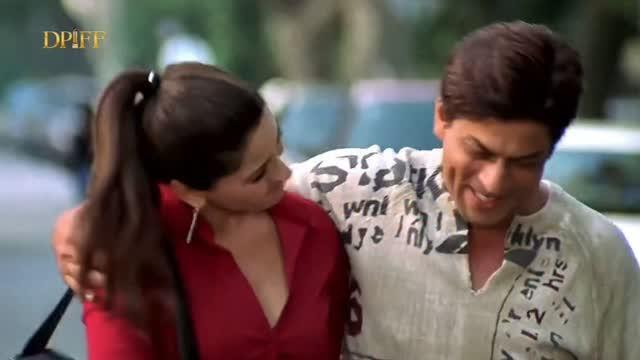
More than two decades after its release, Kal Ho Naa Ho continues to be remembered for the emotional complexity of Aman Mathur, the character played by Shah Rukh Khan. A recent DPIFF Instagram reel revisits the central tragedy of Aman’s love for Naina, highlighting how his feelings are defined not by possession, but by his desire to see her happy—even if that happiness does not include him.
The observation captures the reason Aman remains one of the most enduring romantic characters in modern Hindi cinema. His story is not simply about unrequited love. It is about choosing another person’s future over one’s own emotional fulfilment, turning a familiar romantic premise into a deeply moving meditation on sacrifice, friendship and letting go.
Aman Mathur’s love is built around selflessness
In Kal Ho Naa Ho, Naina Catherine Kapur, played by Preity Zinta, begins as a guarded and unhappy young woman dealing with personal and family pressures. Aman’s arrival changes the emotional rhythm of her life. His optimism brings energy to Naina’s world, while his affection encourages her to become more open, confident and willing to imagine a happier future.
However, Aman’s relationship with Naina is shaped by a painful truth: he knows that his own time is limited. Rather than making his illness the centre of her life, he chooses to help her move forward. His decision to bring Naina and Rohit Patel, played by Saif Ali Khan, closer together is devastating precisely because it is presented as an act of care rather than manipulation.
Aman does not stop loving Naina. Instead, he separates love from ownership. He understands that loving someone does not automatically give a person the right to be chosen by them. That emotional distinction gives the character his lasting power and makes the film’s romantic conflict more layered than a conventional love triangle.
Why the film’s emotional conflict remains relevant
Directed by Nikkhil Advani and written by Karan Johar, Kal Ho Naa Ho combines romance, family drama and comedy with the subject of mortality. The film’s emotional structure allows its lighter moments to exist alongside grief, making Aman’s presence feel both celebratory and tragic.
The film also presents love through different forms. Aman’s love for Naina is intense and sacrificial, while Rohit’s feelings develop gradually through friendship and companionship. Naina’s journey, meanwhile, is not only about choosing between two men. It is about learning to recognise her own happiness and the people who help her reach it.
That is why Aman’s farewell remains so difficult for audiences. The character spends much of the story creating moments that will continue after he is gone. His jokes, interventions and apparent confidence gradually take on another meaning once viewers understand the burden he is carrying. The emotional impact comes from the contrast between how brightly Aman lives and how carefully he prepares others to live without him.
Shah Rukh Khan’s performance shaped Aman’s legacy
Shah Rukh Khan’s performance gives Aman an unusual balance of exuberance and restraint. The character is loud, funny and immediately charismatic, but the performance also leaves room for silence. In the quieter scenes, Aman’s fear and vulnerability emerge without overwhelming the film’s larger emotional tone.
Preity Zinta’s portrayal of Naina provides the story with its emotional transformation, while Saif Ali Khan’s Rohit brings warmth and awkwardness to the film’s central relationship. Together, the three performances create a dynamic in which romance is closely connected to friendship and emotional responsibility.
The film’s music also became central to its cultural memory. Songs such as Kal Ho Naa Ho, Kuch To Hua Hai and Pretty Woman helped define the film’s contrasting moods, from youthful romance and celebration to reflection and heartbreak. The title song, in particular, continues to be associated with the film’s message about living fully in the present.
The DPIFF post revisits a defining Bollywood romance
DPIFF’s Instagram reel draws attention to the emotional idea at the heart of Aman Mathur’s character: some forms of love are expressed through release rather than reunion. Its focus on Aman’s willingness to let Naina go reflects why the character continues to resonate with viewers who return to the film years after its original release.
The post is also a reminder of how popular cinema can preserve an emotional conversation long after a film leaves theatres. Kal Ho Naa Ho remains relevant not because its characters experience uncomplicated happiness, but because it asks difficult questions about sacrifice, timing and whether love can remain meaningful without being fulfilled.
Original DPIFF Instagram reference: DPIFF reel on Aman Mathur’s selfless love in Kal Ho Naa Ho
About Dadasaheb Phalke International Film Festival
Dadasaheb Phalke International Film Festival is an Indian film festival and awards platform named after Dadasaheb Phalke, widely regarded as the father of Indian cinema. DPIFF recognises creative contributions across the Indian entertainment industry and provides a platform for celebrating cinema, television and emerging talent. Through its editorial and social channels, the festival also revisits significant films, performances and cultural moments that continue to shape audience conversations.
Aman Mathur’s story endures because it treats love as an act of generosity. In Kal Ho Naa Ho, his greatest expression of affection is not winning Naina, but helping her find happiness and accepting the pain of standing outside it.


Share this link via



Share this link via

Share this link via