7 Powerful Dialogues By The Women Of Sanjay Leela Bhansali’s Films
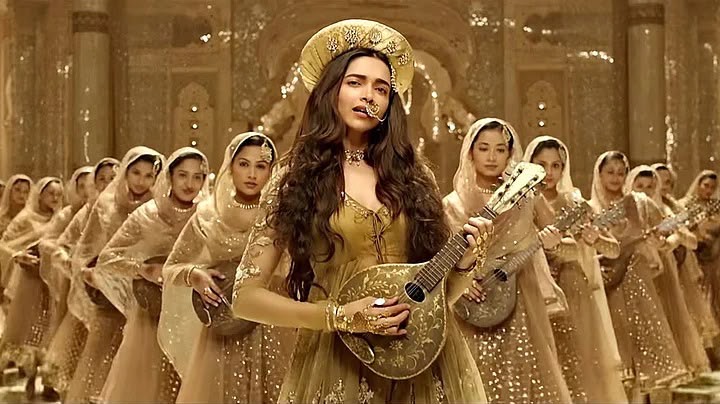
Sanjay Leela Bhansali’s films are known for their grand sets, music and larger-than-life stories. But at the centre of many of his films are women who are strong, emotional and clear about what they want.
From Padmaavat to Gangubai Kathiawadi, these characters have given us some memorable dialogues about love, courage, pride and self-respect.
Here are seven dialogues by Bhansali’s powerful women that we still remember.
1. Padmaavat
“Rajputi kangan mein utni hi taqat hai jitni Rajputi talwar mein.”
Padmavati’s dialogue reminds us that courage is not limited to the battlefield. It reflects the strength and pride of a Rajput woman who is ready to stand by her honour.
2. Goliyon Ki Raasleela Ram-Leela
“Besharam, badtameez, khudgarz hota hai, par pyaar toh aisa hi hota hai.”
A line that captures the unpredictable side of love. It is not always perfect or logical. Sometimes, it is messy, stubborn and completely fearless.
3. Bajirao Mastani
“Aap humse hamari zindagi maang lete, hum aapko khushi khushi de dete… par aapne toh humse hamara guroor cheen liya.”
This is not just about heartbreak. It is about self-respect. The dialogue shows how deeply Mastani feels the loss of her dignity and pride.
4. Bajirao Mastani
“Kiski talvar par sar rakhon yeh bata do mujhe, ishq karna agar khata hai toh saza do mujhe.”
Mastani refuses to hide her love, even when the world considers it wrong. The dialogue captures her courage to accept the consequences of loving Bajirao.
5. Gangubai Kathiawadi
“Arey jab shakti, sampatti aur sadbuddhi yeh teeno hi aurtein hai, toh in mardo ke kis baat ka guroor?”
Gangubai questions the idea that power belongs to men. With her sharp words, she turns the idea of strength and power on its head.
6. Devdas
“Pyaar ka karobar toh bohot baar kiya hai… magar pyaar sirf ek baar.”
Chandramukhi may have known many relationships, but for her, real love happens only once. The dialogue shows the emotional side of a character often judged only by her profession.
7. Devdas
“Yun nazar ki baat ki aur dil chura gaye… hum toh samjhe the buddhu, aap toh dhadkan suna gaye.”
Paro’s playful words capture the innocence of her love for Devdas. It is a simple moment that reflects the deep connection between the two before their story takes a tragic turn.
From Padmavati and Mastani to Gangubai and Chandramukhi, Bhansali’s women have always had something to say. Their dialogues speak about love, pride, courage and self-respect, making these characters memorable long after the film ends.


Share this link via



Share this link via

Share this link via