Madhubala: The Life, Love, Career and Tragedy of Bollywood’s Eternal Star
Madhubala: The Life, Love, Career and Tragedy of Bollywood’s Eternal Star
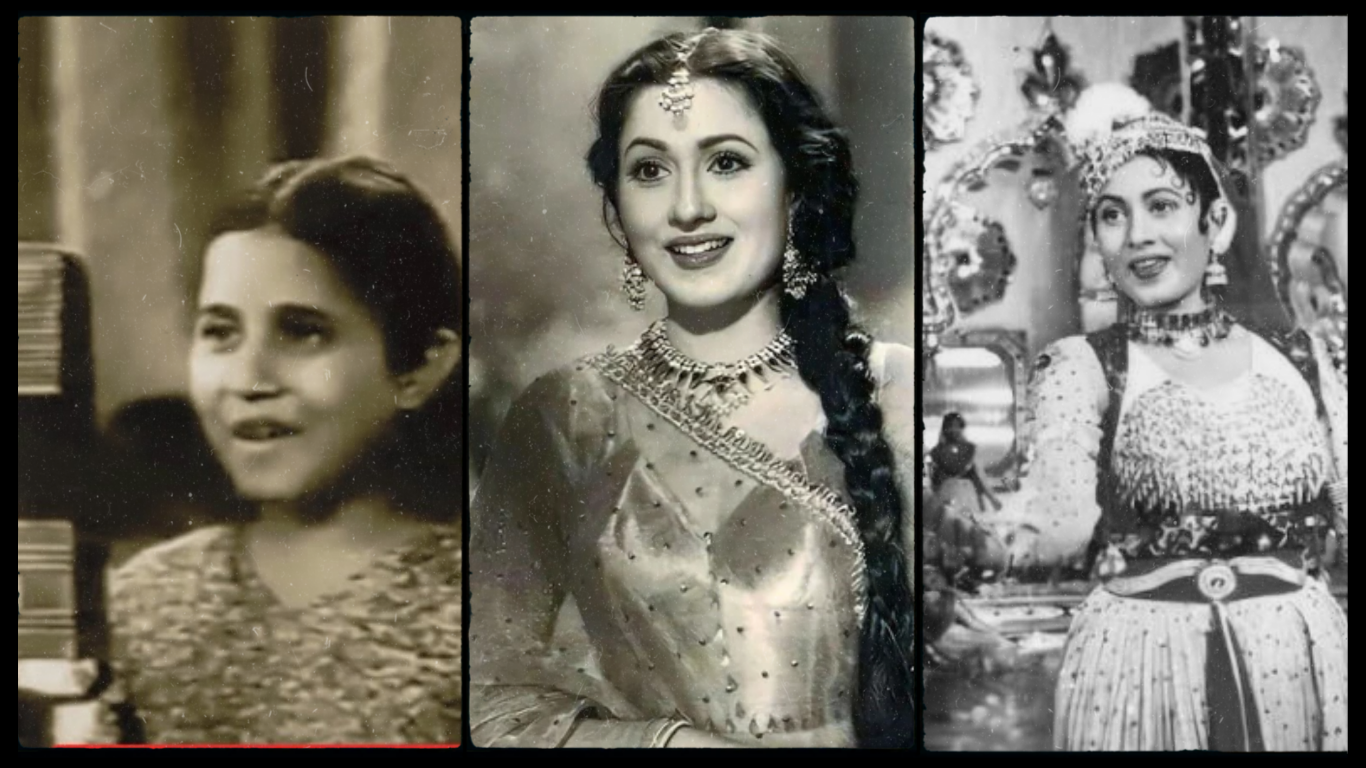
There are some actors whose faces remain familiar even to people who may not have watched all their films. Madhubala is one of them.
Even decades after her death, her name continues to come up whenever the golden era of Hindi cinema is discussed. Her smile, her beauty and her performances made her one of the biggest stars of her time. But behind that image was a woman who spent much of her life dealing with serious health problems, personal heartbreak and years of pain.
Madhubala’s life was short. She died at just 36. But in those 36 years, she lived through a childhood in poverty, became a successful child artist, turned into one of the biggest actresses in Indian cinema and worked in more than 70 films.
Her story is also one of the most tragic in the history of Hindi cinema.
From Mumtaz Jehan Begum to Madhubala
Madhubala was born as Mumtaz Jehan Begum Dehlavi in Delhi in 1933.
Her family was not financially well off. Her father, Ataullah Khan, lost his job at the Imperial Tobacco Company, after which the family moved to Bombay, now Mumbai, hoping to find better opportunities.
The family lived in difficult conditions near the Bombay Talkies studio.
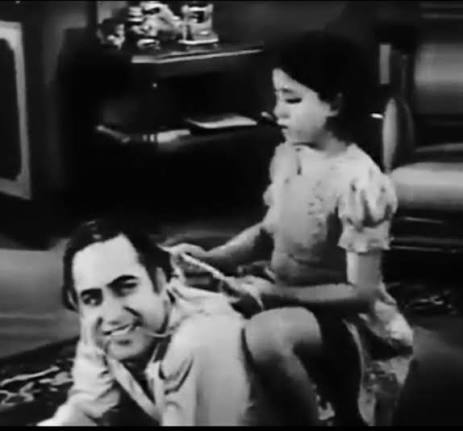
Madhubala entered films when she was still a child because her family needed financial support. She was introduced to the film industry as Baby Mumtaz.
Her first film appearance came in Basant in 1942, when she was only eight years old.
For the next few years, she worked as a child artist and appeared in small roles. She worked at studios including Ranjit Studios and slowly became familiar with the film industry.
Her life changed when she was cast as the lead opposite Raj Kapoor in Neel Kamal in 1947.
She was still a teenager, but the film gave audiences a glimpse of the actress she would eventually become.
The Film That Made Her A Star
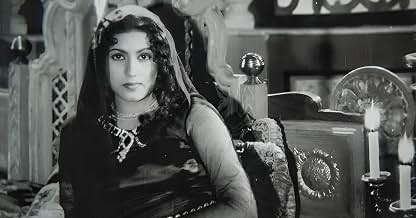
Madhubala’s real breakthrough came with Mahal in 1949.
The film, directed by Kamal Amrohi, was a mystery thriller starring Madhubala opposite Ashok Kumar. The film became a major success, and Madhubala became a name that audiences across the country knew.
She was only around 16 when Mahal was released.
The song “Aayega Aanewala”, sung by Lata Mangeshkar, became one of the most remembered songs of that period, and Madhubala’s screen presence added to the film’s impact.
From there, her career moved quickly.
She became one of the leading actresses of Hindi cinema and went on to work with some of the biggest actors and filmmakers of her time.
Over the course of her career, she appeared in around 70 films, including Mahal, Tarana, Mr. & Mrs. 55, Chalti Ka Naam Gaadi, Howrah Bridge and Mughal-e-Azam.
Madhubala and Dilip Kumar: One of Bollywood’s Most Talked-About Love Stories
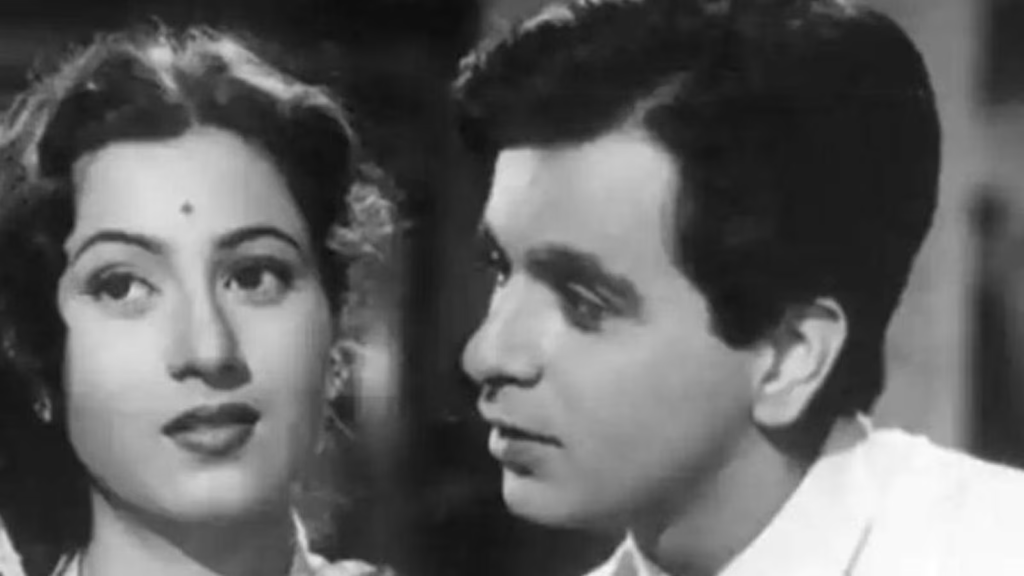
Madhubala’s personal life has been discussed almost as much as her films, especially her relationship with Dilip Kumar.
The two met while working together and eventually fell in love.
Their relationship lasted for several years and became one of the most talked-about romances in the film industry.
They worked together in films including Tarana, Sangdil and eventually Mughal-e-Azam.
But their relationship was complicated.
Madhubala’s father, Ataullah Khan, was deeply involved in her personal and professional life. Her family reportedly had concerns about her relationship with Dilip Kumar, and the situation eventually became more difficult.
The relationship also became connected to the controversy around Naya Daur.
Madhubala had been cast in the film, but a disagreement arose when the production wanted to shoot an outdoor schedule. Her father did not want her to travel, and the issue eventually turned into a legal dispute.
Dilip Kumar testified against Madhubala’s father during the court case.
The relationship could not survive the conflict.
Although both had feelings for each other, Madhubala and Dilip Kumar eventually separated.
For years, their relationship remained one of the most discussed love stories in Hindi cinema, mainly because the two were considered one of the most popular screen couples of their generation.
The Heart Condition She Kept Hidden
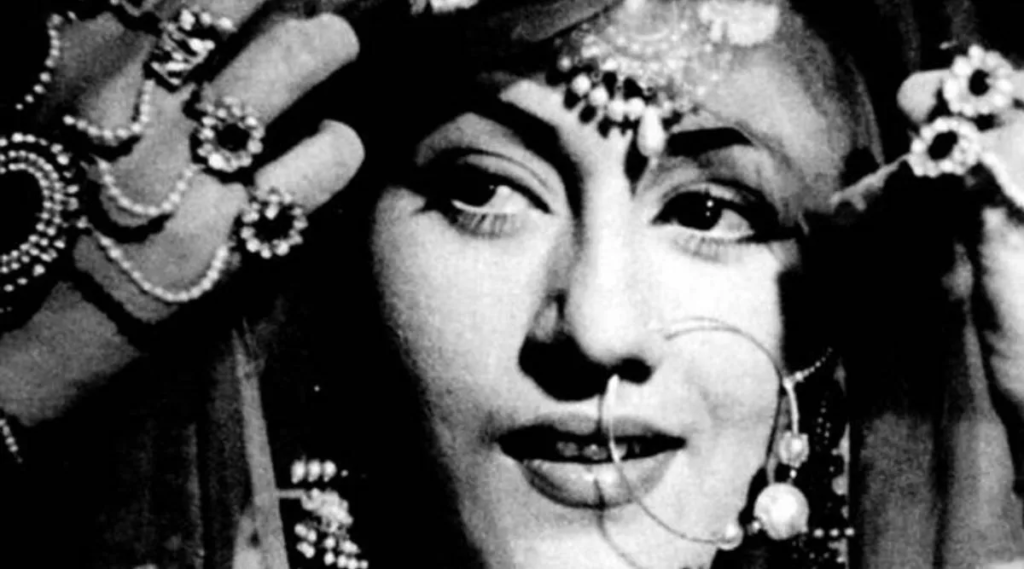
While Madhubala’s career was growing, she was also dealing with a serious medical condition.
She had a hole in her heart, a condition known as a ventricular septal defect.
At a time when medical treatment for such a condition was very different from what is available today, her illness became increasingly difficult to manage.
For years, she continued working despite her health problems.
People around her knew that she was unwell, but the public image of Madhubala remained that of a glamorous and successful film star.
Her illness became more visible as the years passed.
During the making of Mughal-e-Azam, her health was already deteriorating.
The film required her to perform difficult scenes, and the famous scene in which Anarkali is chained is often remembered in the context of her real-life physical condition.
The production used heavy chains for the scene, and Madhubala reportedly struggled physically while shooting.
The contrast was painful.
On screen, she was playing Anarkali, one of the most famous characters in Indian cinema.
Behind the scenes, she was dealing with a serious illness.
Mughal-e-Azam Became Her Most Famous Film
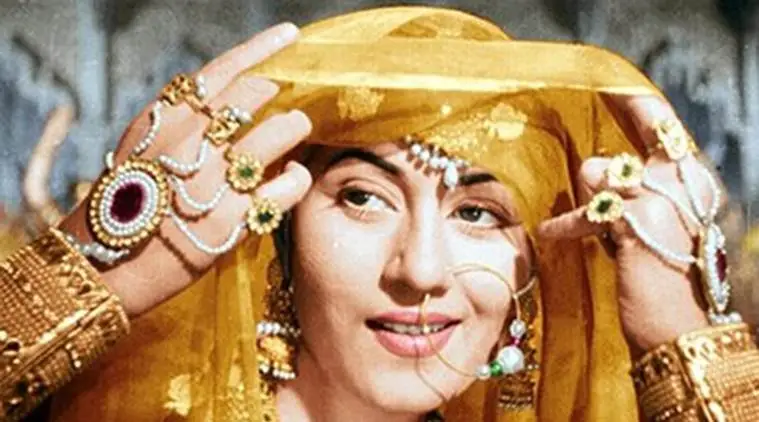
Mughal-e-Azam released in 1960 and became one of the biggest films in the history of Hindi cinema.
Directed by K. Asif, the film starred Prithviraj Kapoor as Akbar, Dilip Kumar as Prince Salim and Madhubala as Anarkali.
Madhubala’s performance became one of the defining moments of her career.
Her chemistry with Dilip Kumar was also closely watched because of their real-life history.
The film was a huge success and eventually became one of the most celebrated Hindi films ever made.
For Madhubala, however, the success came at a difficult point in her life.
Her health was already getting worse.
Marriage to Kishore Kumar
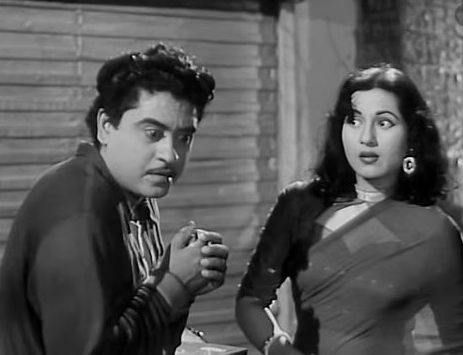
After her relationship with Dilip Kumar ended, Madhubala married actor and singer Kishore Kumar in 1960.
The marriage has often been described as complicated.
Madhubala was already seriously ill, and her health continued to deteriorate after the marriage.
According to accounts from her family, doctors had advised against having children because of her heart condition.
Her sister Madhur Bhushan has spoken publicly over the years about Madhubala’s health and her final years.
The actress, who had spent most of her life in front of cameras, was now spending more and more time at home.
Her health made it difficult for her to continue working.
The Final Years
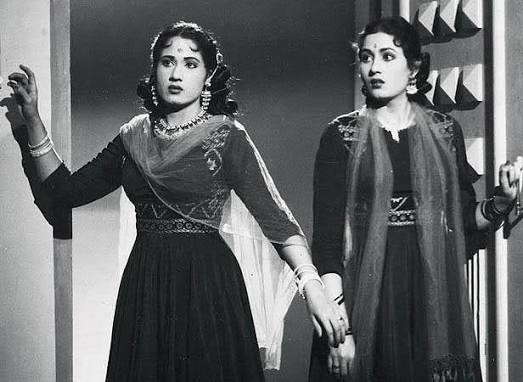
Madhubala’s final years were very different from the life she had lived as a star.
She became increasingly ill and spent long periods bedridden.
Her heart condition caused serious complications, and there was little that doctors could do to reverse the damage.
Her family has spoken about how much she wanted to live despite the pain.
One of the most heartbreaking accounts associated with her final days is her reported statement to her sister Chanchal:
“I want to live, Chanchal.”
She was also reported to have said that she knew she would not survive and was distressed by how much her illness had changed her.
Madhubala died on February 23, 1969.
She was only 36 years old.
Her death brought an early end to the life of an actress who had already become one of the most recognisable faces of Indian cinema.
A Career That Continued After Her Death
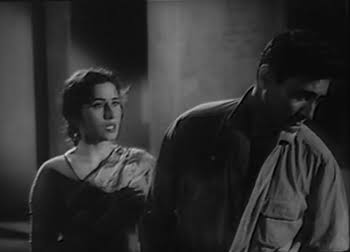
Madhubala appeared in around 70 films during her career.
Because of her illness, she was unable to continue working regularly during the final years of her life.
Her final film released during her lifetime was Sharabi in 1964.
Some of her earlier work and delayed projects continued to reach audiences after her death. Her last release, Jwala, came out posthumously in 1971.
Even though her career was cut short, her filmography remains an important part of the history of Hindi cinema.
The Woman Behind the Screen Image
What makes Madhubala’s story different is the contrast between the person audiences saw and the life she was actually living.
On screen, she was known for her beauty, laughter and charm.
But away from the camera, she was dealing with a serious heart condition from a young age.
She also experienced a painful breakup with the man she had loved for years, followed by a marriage during a period when her health was already failing.
Her life was not easy, but cinema gave her a place where she could create something that would outlive her.
Why Madhubala Is Still Remembered
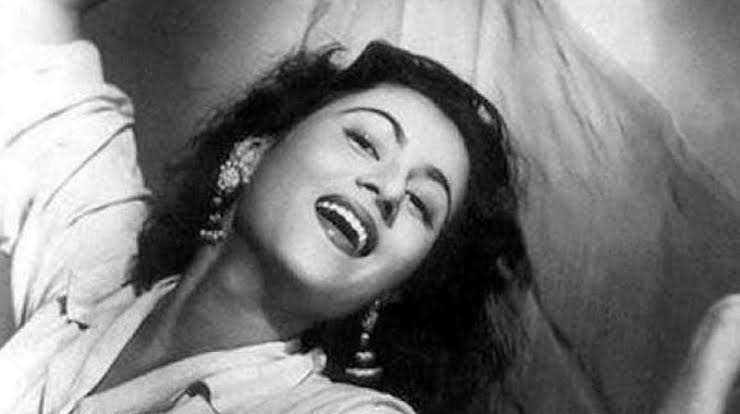
More than five decades after her death, Madhubala continues to be discussed by film historians, audiences and younger generations.
Her photographs are still widely shared. Her films continue to be watched. Her performance as Anarkali remains one of the most remembered performances in Hindi cinema.
Her life has also continued to attract interest because there is so much that people want to understand about the woman behind the star.
Her sisters have occasionally spoken about her life, her health and her relationships, helping audiences understand that there was much more to Madhubala than the image of the smiling actress seen on screen.
Her legacy has also been revisited through books, documentaries, television features and discussions about the history of Indian cinema.
In recent years, conversations around her life have also brought attention to the medical condition she lived with and the lack of treatment options available to her at the time.
A Star Who Never Really Left
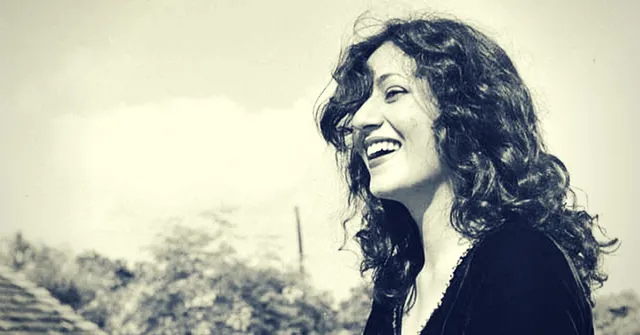
Madhubala lived for only 36 years.
Her career lasted a little over two decades, beginning with her childhood work and ending much earlier than it should have.
But her presence in Indian cinema has lasted far longer.
She remains the face of Mughal-e-Azam for an entire generation. She remains part of the nostalgia surrounding films like Chalti Ka Naam Gaadi and Mr. & Mrs. 55. And her love story with Dilip Kumar continues to be discussed decades later.
But perhaps the most important thing to remember about Madhubala is that behind the famous smile was a young woman who spent much of her life fighting an illness that eventually took her away.
She became a star because of cinema.
She became a legend because of the work she left behind.
And even after more than 50 years, Madhubala’s story still reminds us why some faces never really disappear from the history of Indian cinema.
The Woman Behind the Screen Image
What makes Madhubala’s story different is the contrast between the person audiences saw and the life she was actually living.
On screen, she was known for her beauty, laughter and charm.
But away from the camera, she was dealing with a serious heart condition from a young age.
She also experienced a painful breakup with the man she had loved for years, followed by a marriage during a period when her health was already failing.
Her life was not easy, but cinema gave her a place where she could create something that would outlive her.
Why Madhubala Is Still Remembered
More than five decades after her death, Madhubala continues to be discussed by film historians, audiences and younger generations.
Her photographs are still widely shared. Her films continue to be watched. Her performance as Anarkali remains one of the most remembered performances in Hindi cinema.
Her life has also continued to attract interest because there is so much that people want to understand about the woman behind the star.
Her sisters have occasionally spoken about her life, her health and her relationships, helping audiences understand that there was much more to Madhubala than the image of the smiling actress seen on screen.
Her legacy has also been revisited through books, documentaries, television features and discussions about the history of Indian cinema.
In recent years, conversations around her life have also brought attention to the medical condition she lived with and the lack of treatment options available to her at the time.
A Star Who Never Really Left
Madhubala lived for only 36 years.
Her career lasted a little over two decades, beginning with her childhood work and ending much earlier than it should have.
But her presence in Indian cinema has lasted far longer.
She remains the face of Mughal-e-Azam for an entire generation. She remains part of the nostalgia surrounding films like Chalti Ka Naam Gaadi and Mr. & Mrs. 55. And her love story with Dilip Kumar continues to be discussed decades later.
But perhaps the most important thing to remember about Madhubala is that behind the famous smile was a young woman who spent much of her life fighting an illness that eventually took her away.
She became a star because of cinema.
She became a legend because of the work she left behind.
And even after more than 50 years, Madhubala’s story still reminds us why some faces never really disappear from the history of Indian cinema.



Share this link via



Share this link via

Share this link via