


Ranveer Singh’s Acting Range: From Bajirao Mastani to Dhurandhar
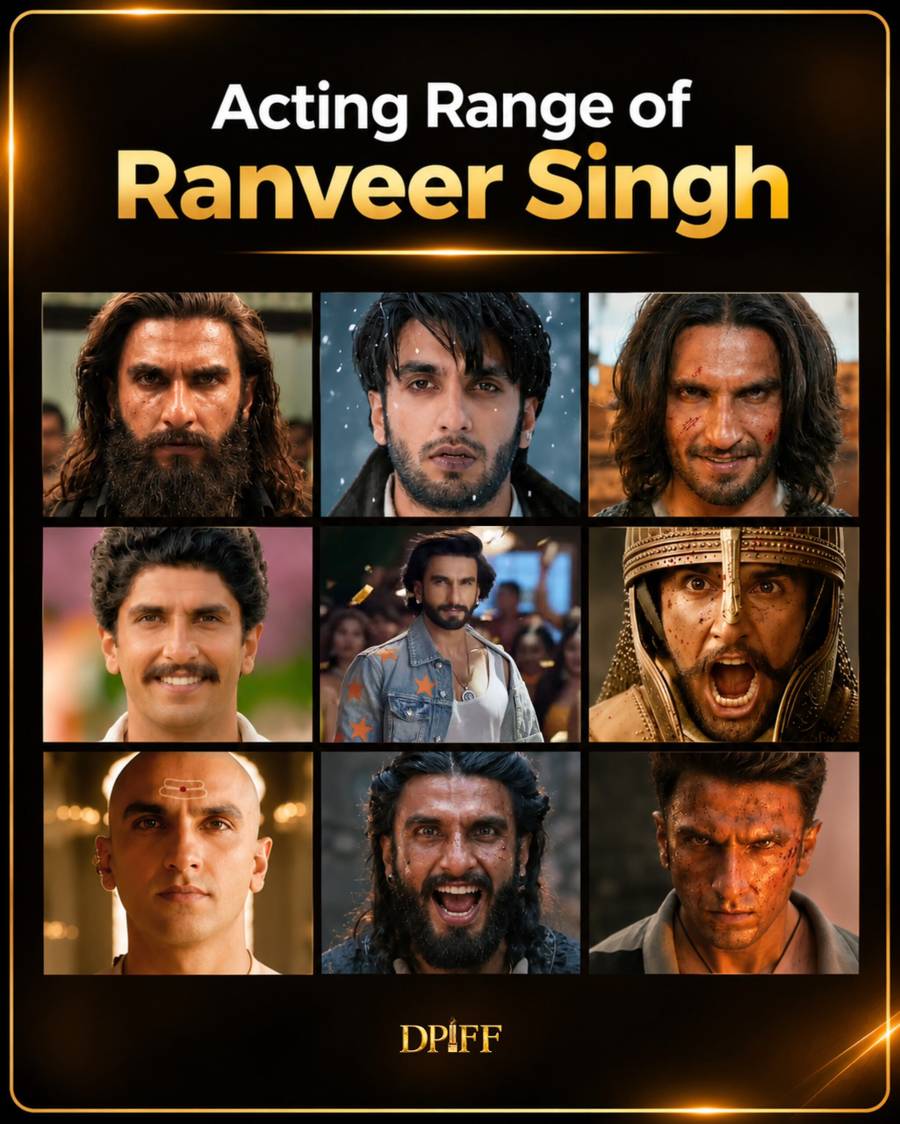
Ranveer Singh’s career has been defined by his refusal to remain within one screen image. A recent DPIFF Instagram post highlights the actor’s movement between historical drama, intense character work, romance and contemporary Hindi cinema, using films such as Bajirao Mastani, Padmaavat, Rocky Aur Rani Kii Prem Kahaani and Dhurandhar as reference points.
The larger significance of that selection lies in the contrast between the characters. Ranveer has played figures drawn from history, emotionally expressive romantic leads and flamboyant modern personalities. Instead of building his career around a single dependable persona, he has repeatedly changed his physicality, voice, body language and performance rhythm to suit the world of each film.
A career shaped by transformation
Ranveer’s early work established him as an energetic performer with a strong comic and romantic presence. Films such as Band Baaja Baaraat and Lootera showed two different sides of that early range: one driven by spontaneity and verbal energy, the other by restraint and emotional vulnerability. Those performances created a foundation for the more demanding roles that followed.
In Bajirao Mastani, Ranveer portrayed Peshwa Bajirao, a historical figure whose public authority was balanced by personal conflict. The performance required physical confidence, controlled intensity and a sense of scale appropriate to a period production. His work in the film also demonstrated how a star performance can remain expressive without losing connection to the film’s larger historical setting. The film’s IMDb reference for Bajirao Mastani provides further production and cast details.
That intensity became even more pronounced in Padmaavat, where Ranveer played Alauddin Khilji. The role was markedly different from Bajirao: volatile, menacing and deliberately theatrical. His physical transformation and heightened mannerisms made the character one of the most discussed performances in the film, while also underlining the actor’s willingness to embrace an unlikeable and morally disturbing screen presence.
From historical drama to contemporary romance
Ranveer’s versatility is not limited to physically demanding or historically rooted roles. In Rocky Aur Rani Kii Prem Kahaani, he played Rocky Randhawa, a lively and emotionally open character whose confidence often borders on impulsiveness. The performance depends on comic timing, warmth and an ability to carry the film’s more heightened family-drama moments without losing sincerity.
Rocky’s loud colours, expressive gestures and unabashed romanticism are a sharp contrast to the controlled authority of Bajirao or the menace of Khilji. That difference is precisely what makes the performance useful in understanding Ranveer’s acting range. The actor’s screen energy remains recognisable, but its purpose changes according to the character and genre.
The film also placed him within a multi-generational family narrative, where performance was closely tied to chemistry, dialogue delivery and emotional accessibility. The film’s cast and production listing offers additional context on the ensemble surrounding Ranveer in the Karan Johar-directed feature.
What Dhurandhar adds to the conversation
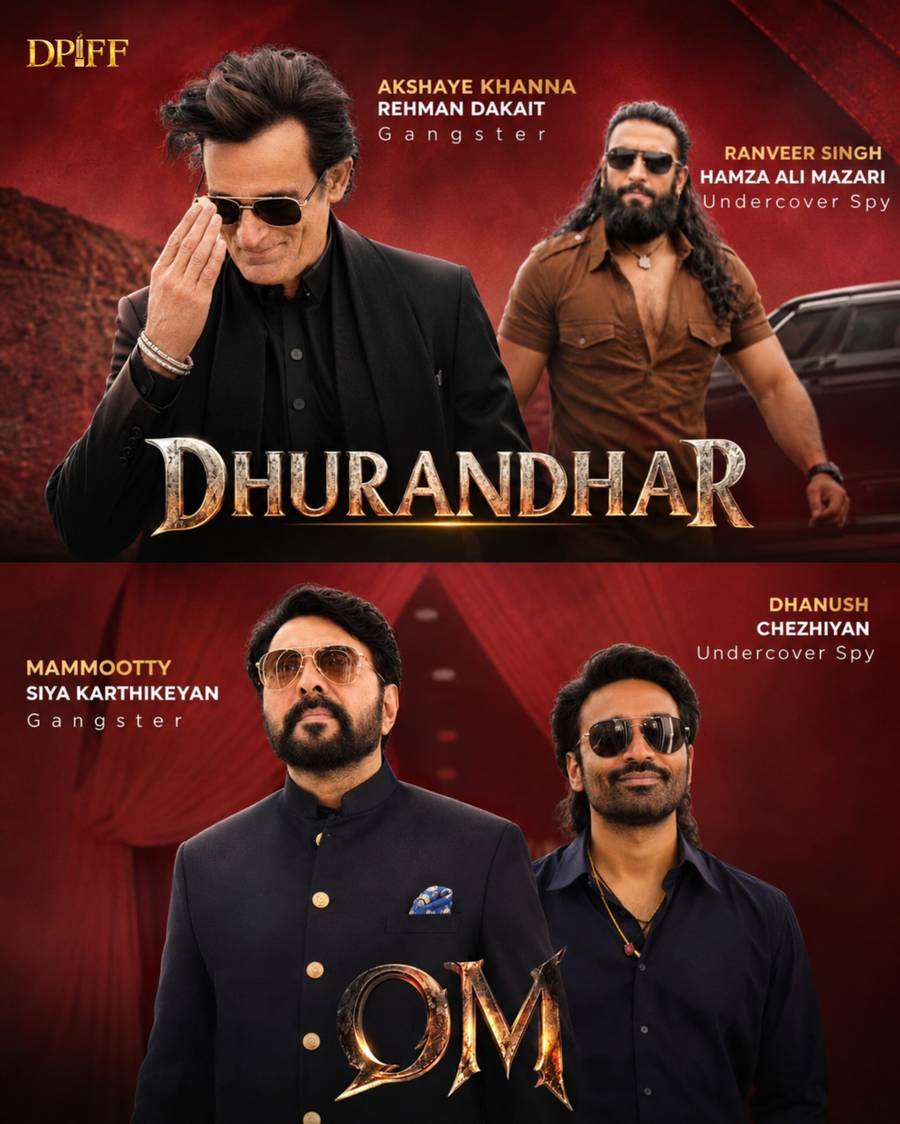
DPIFF’s post also refers to Dhurandhar while discussing Ranveer’s changing looks and screen identities. As an upcoming project referenced in the post, it represents another point of interest in the actor’s continuing career rather than a performance that should be assessed alongside his completed films. Publicly available details about a film in development can evolve, so the most reliable approach is to distinguish confirmed project information from audience expectations.
Even so, the inclusion of Dhurandhar is significant in the context of Ranveer’s filmography. Each new role invites comparison with the images audiences already associate with him. That creates both opportunity and pressure: a familiar performance style may strengthen audience recognition, but an ambitious project must also establish a new character identity.
Why Ranveer Singh’s range remains relevant
In mainstream Hindi cinema, stars often develop recognisable screen personas that help audiences immediately understand what to expect. Ranveer Singh has used that recognisability differently. He retains a strong individual presence, but repeatedly alters the external and emotional vocabulary of his performances.
His strongest transformations are not limited to costumes or physical appearance. They involve how he occupies space, how quickly he delivers dialogue, how openly he displays emotion and how much of his own star image he allows a role to retain. Bajirao’s command, Khilji’s menace and Rocky’s exuberance therefore work as distinct performance choices rather than variations of one personality.
This is why discussions of Ranveer Singh’s best performance rarely produce a single answer. Viewers may respond to the historical scale of Bajirao Mastani, the intensity of Padmaavat, the vulnerability found in some of his earlier work or the comic-romantic energy of Rocky Aur Rani Kii Prem Kahaani. The debate itself reflects the breadth of the roles he has attempted.
DPIFF’s Instagram reference
The original DPIFF post presents Ranveer Singh’s varied film personas as a celebration of performance range and invites audiences to identify their favourite portrayal. View the post directly on DPIFF’s official Instagram account.
Ranveer Singh’s filmography can be read as a series of deliberate contrasts: historical authority, psychological intensity, romantic expression and contemporary comic energy.
Recent Coverage from DPIFF
DPIFF’s official News archive carries the festival’s latest editorial coverage across Indian cinema, performers, filmmakers, awards and industry developments. Readers looking for the most recent published stories should use the archive directly, where article titles and publication dates are maintained by the DPIFF editorial team.
The archive is also the best destination for discovering continuing coverage related to film personalities, cinema milestones and festival conversations. Linking to the live archive rather than reproducing unverified titles ensures that readers receive the current and accurate list of DPIFF’s latest articles.
About Dadasaheb Phalke International Film Festival
Dadasaheb Phalke International Film Festival is an Indian film festival platform that recognises and celebrates contributions to cinema and television. Its editorial and festival initiatives highlight actors, filmmakers, technicians and creative achievements across the entertainment landscape. DPIFF also publishes film-related news and features through its official website, including coverage of Indian cinema and its leading artists.
Ranveer Singh’s work continues to invite conversation because each major role adds a different dimension to his public image. Whether audiences favour the historical grandeur of Bajirao Mastani, the dark intensity of Padmaavat or the exuberance of Rocky Aur Rani Kii Prem Kahaani, his filmography remains a clear example of a mainstream actor using transformation as a central part of his craft.



Share this link via



Share this link via
Share this link via

Share this link via