


DPIFF Connects Ramayana and The Batman Through Visual Storytelling
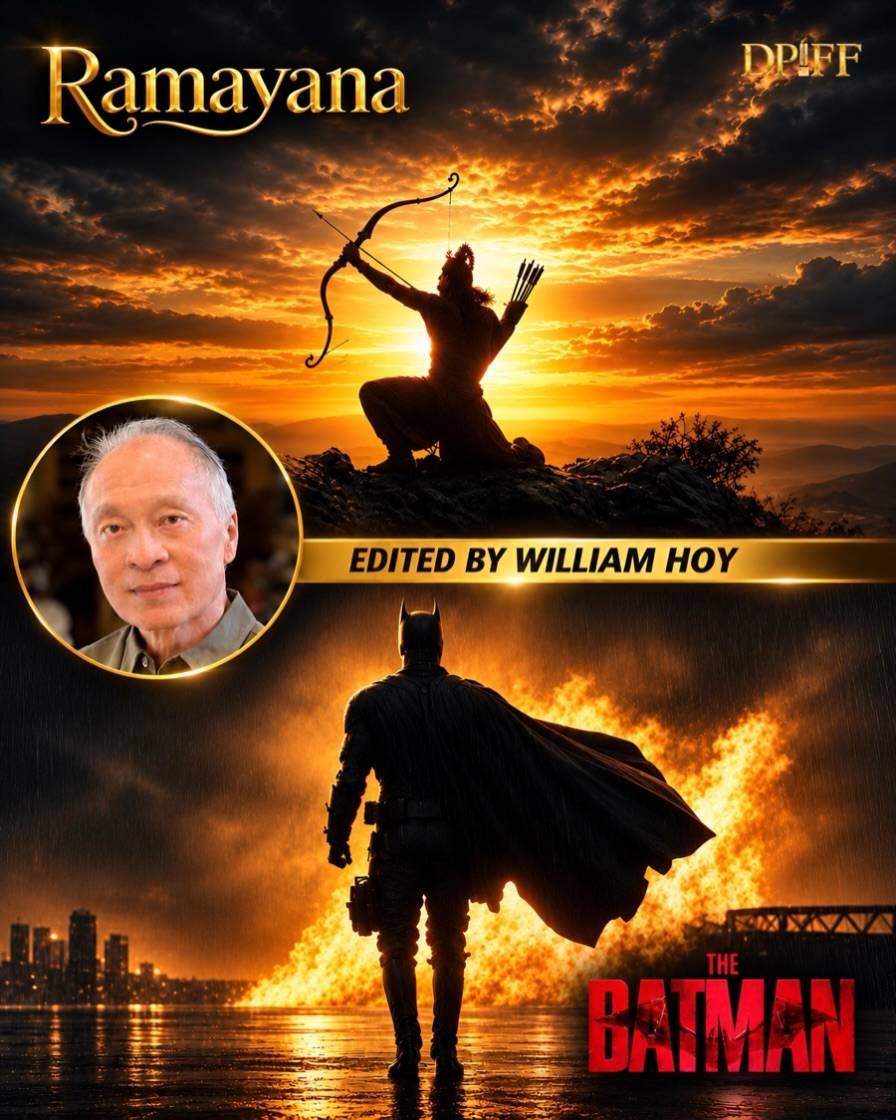
Dadasaheb Phalke International Film Festival has brought together two dramatically different cinematic worlds in a new Instagram post: the mythic scale associated with Ramayana and the shadowy, urban intensity of The Batman. Rather than presenting the films as similar stories, the post highlights the shared importance of visual imagination, atmosphere and cinematic craftsmanship.
The DPIFF image contrasts the divine grandeur of the Ramayana tradition with the darker visual language of Matt Reeves’ The Batman. Its central idea is that spectacle and storytelling can emerge from very different creative traditions while still relying on the same fundamental discipline: the ability to build a world that audiences can see, feel and remember.
Why the comparison is significant
Ramayana carries an enormous cultural and visual legacy. Across literature, theatre, television and cinema, the epic has been interpreted through images of sacred landscapes, celestial forces, royal courts and battles shaped by moral conflict. Any contemporary screen treatment of the story therefore faces a demanding creative task: it must respect a familiar cultural inheritance while developing a visual identity suited to modern audiences.
The Batman, by contrast, works within the language of the comic-book crime thriller. The film’s Gotham is defined by rain-soaked streets, stark shadows, decaying architecture and a pervasive sense of unease. Its visual design does not simply make the film look dark; it turns the city into an extension of the characters’ psychological and political world.
Putting these two visual approaches beside each other draws attention to a question that is central to filmmaking: how does an image communicate tone before a character speaks? Whether the setting is a mythic kingdom or a troubled metropolis, production design, cinematography, colour, costume, visual effects and editing work together to establish the emotional rules of the story.
William Hoy and the craft of editing
The DPIFF post credits editor William Hoy for the edit presented in the image. Hoy is also credited among the editors of The Batman, a production whose rhythm depends on more than action or spectacle. The film moves through investigation, confrontation and introspection with a measured pace that supports its detective-story structure.
Editing is often less visible to audiences than acting or cinematography, but it is one of the central forces shaping a film’s meaning. The placement of a cut can create suspense, reveal information, alter the perceived scale of an event or change the audience’s relationship with a character. In a large-scale mythological project, the same craft becomes essential in balancing spectacle with emotional clarity.
Readers can explore the film’s official information through the Warner Bros. page for The Batman and the film’s listing on the official DC website. These resources offer useful context for understanding the film’s place within contemporary comic-book cinema.
From mythic scale to contemporary screen language
The reference to Ramayana is also relevant to the ongoing evolution of Indian visual storytelling. Mythological subjects require filmmakers to make the extraordinary feel credible without reducing the material to visual excess. Digital environments, practical production design, costume detailing and performance must work in harmony so that the world feels internally consistent.
This is where the comparison with The Batman becomes useful. The two subjects belong to different genres and cultural frameworks, but both depend on world-building. One may draw on sacred imagery and epic symbolism, while the other uses noir conventions and graphic-novel influences. In each case, the audience must understand the world through the arrangement of images, sound and movement.
The post therefore functions as more than a pairing of two recognisable titles. It is a reminder that cinematic craftsmanship is not limited to one genre, language or production scale. Visual effects may help create a supernatural landscape, while lighting and editing may transform an ordinary street into a place of danger. The tools differ, but the creative objective remains connected: to make a fictional world convincing enough to hold the audience’s attention.
DPIFF’s visual storytelling reference
The original DPIFF Instagram post can be viewed at this official Instagram reference. The post’s emphasis on storytelling, visual brilliance and cinematic craftsmanship reflects the broader conversation around the many departments that shape a finished film.
For further institutional information, readers may visit the official DPIFF website, consult the festival’s newsroom and learn more through the festival’s About DPIFF page.
Recent Coverage from DPIFF
DPIFF’s newsroom provides the latest festival and entertainment updates, including editorial coverage of cinema, filmmakers, performances and developments across the screen industries. Readers can visit the DPIFF News section for the most recently published articles and verified updates.
As the post makes clear, the conversation around cinema extends beyond performers and headline announcements. It also includes the editors, cinematographers, designers, visual-effects artists and other specialists whose decisions give a film its distinctive identity.
About Dadasaheb Phalke International Film Festival
Dadasaheb Phalke International Film Festival is an Indian film festival and entertainment institution that celebrates cinematic achievement across films, artists and technical disciplines. Its platform highlights creative contributions from the Indian and international screen industries. Through its editorial and social channels, DPIFF also engages audiences with conversations about filmmaking, visual storytelling and the people behind the screen.



Share this link via


Share this link via

Share this link via