


Laalo and Hanuman Ansh Show the Box-Office Power of Devotional Cinema

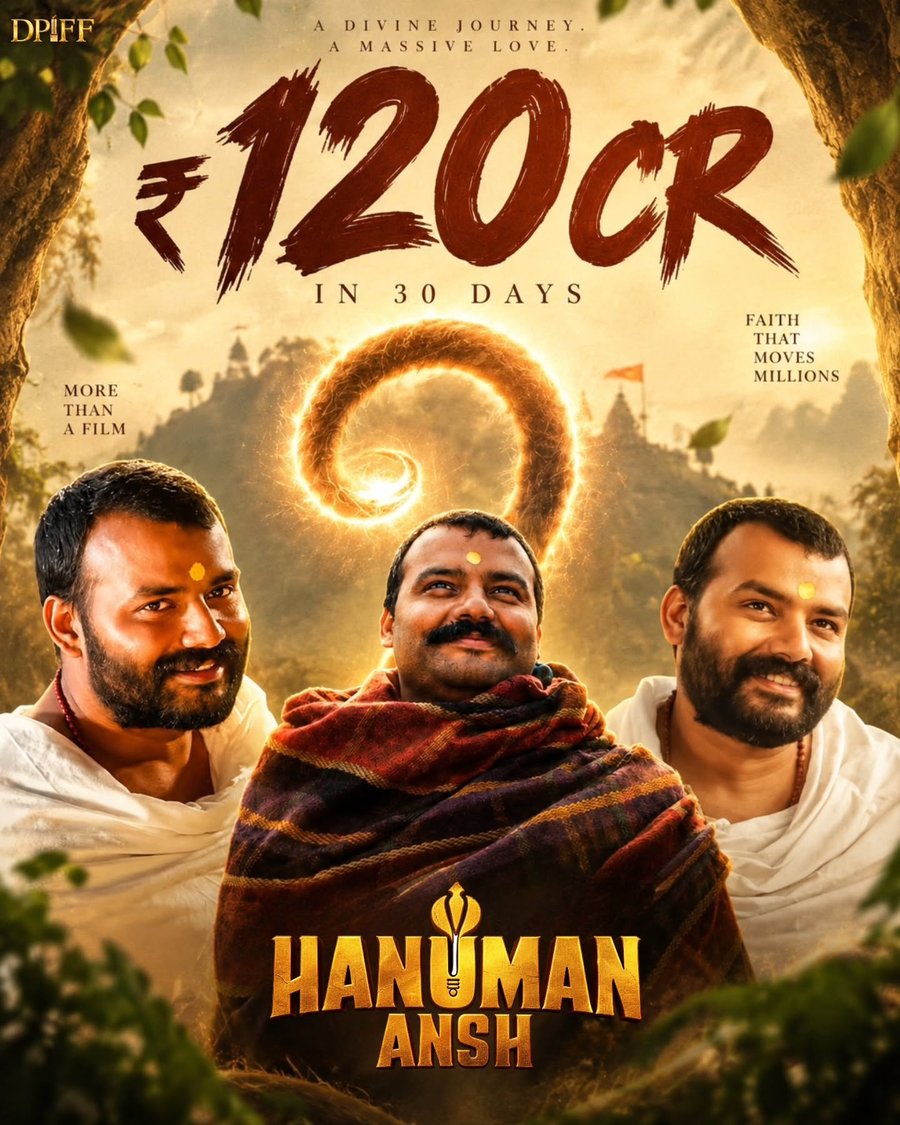
Gujarati film Laalo – Krishna Sada Sahaayate and Hanuman Ansh have emerged as notable examples of how regional and devotional cinema can produce major theatrical results without the budgets associated with mainstream blockbusters. A DPIFF Instagram post highlights the reported journeys of both films: Laalo, made on an estimated budget of ₹50 lakh, has reached around ₹120 crore, while Hanuman Ansh, reportedly produced for approximately ₹2 crore, has crossed the ₹120 crore mark.
The figures shared by DPIFF place both films among the recent low-budget success stories drawing attention across Indian cinema. They also underline a shift in the way audiences discover films: strong word-of-mouth, cultural familiarity and a clear emotional proposition can sometimes matter as much as scale, star power or extensive marketing.
Two films, two remarkable reported returns
The reported box-office performance of Laalo – Krishna Sada Sahaayate is particularly striking because of the distance between its stated production budget and its theatrical earnings. A reported investment of ₹50 lakh against collections of around ₹120 crore represents an extraordinary commercial outcome, although box-office figures and budget estimates can vary between industry reports and should not be treated as audited financial statements.
Hanuman Ansh has followed a comparable path on a larger but still modest budget. The film was reportedly made for around ₹2 crore and has crossed the ₹120 crore mark while continuing its theatrical run, according to the figures referenced in DPIFF’s post. Its performance has placed renewed attention on the commercial potential of devotional storytelling beyond the conventional big-budget model.
Why devotional films are connecting with audiences
Devotional cinema carries an advantage that is difficult to manufacture through conventional promotion: an existing relationship between the subject and its audience. Stories connected to faith, mythology and familiar cultural traditions can create immediate recognition, while a well-executed film can convert that familiarity into repeat viewership and strong community-led recommendations.
That does not mean devotional themes automatically guarantee success. The performance of any film still depends on execution, accessibility, release strategy, audience sentiment and the viewing experience offered in cinemas. In the cases of Laalo and Hanuman Ansh, the reported results suggest that their stories found a meaningful connection with audiences willing to recommend them beyond the initial release period.
The development is also relevant to the wider conversation around Gujarati cinema and regional film industries. Regional-language films are increasingly demonstrating that commercial relevance does not have to depend on matching the scale of Hindi or southern Indian productions. Local identity, when presented with clarity and conviction, can become a significant theatrical asset.
What the success means for Indian cinema
The success stories of Laalo – Krishna Sada Sahaayate and Hanuman Ansh offer a useful reminder for producers and exhibitors. Smaller films may have fewer resources, but they can also operate with focused storytelling, disciplined production choices and a close understanding of their intended audience. When those strengths align with positive word-of-mouth, a film can expand well beyond its initial market expectations.
For audiences, the trend reflects a broader and more diverse theatrical landscape. Alongside large-scale spectacles, viewers are making space for films rooted in language, belief and community experience. This widening appetite is part of the continuing evolution of Indian cinema, where regional stories increasingly command national attention through audience-led discovery.
It is also important to distinguish reported gross collections from profit. Box-office revenue is distributed among exhibitors, distributors and producers, while marketing, taxes and other costs affect the final financial outcome. Even with those distinctions, the reported scale of both films’ theatrical performance makes them important case studies in audience-driven success.
DPIFF’s reference to the two box-office stories
Read the original DPIFF Instagram post on Laalo and Hanuman Ansh for the figures and comparison shared by the festival.
The post presents the films together as examples of how storytelling, audience connect and word-of-mouth can create breakthroughs without massive production budgets. That framing is significant at a time when discussions about Indian cinema often focus primarily on opening-day numbers, franchise value and production scale.
Recent Coverage from DPIFF
DPIFF’s news and editorial archive remains the most reliable place to find the festival’s latest published coverage of Indian cinema, artists, films and entertainment developments. Readers can use the archive to explore recent stories and announcements as they are published, rather than relying on unverified reposts or incomplete social-media summaries.
The archive also provides continuity between individual social-media updates and DPIFF’s broader editorial work, including coverage of cinema milestones, regional industries and developments relevant to film audiences. As additional stories are published, the latest three articles can be accessed directly through the official DPIFF newsroom page.
About Dadasaheb Phalke International Film Festival
Dadasaheb Phalke International Film Festival is an Indian film festival and entertainment platform named after Dadasaheb Phalke, widely regarded as the father of Indian cinema. DPIFF recognises and celebrates contributions across Indian filmmaking and uses its official platforms to share developments from the film and entertainment industry. Its editorial coverage includes films, artists, awards, cultural conversations and significant moments in cinema.
The reported journeys of Laalo – Krishna Sada Sahaayate and Hanuman Ansh therefore carry significance beyond their individual collections. They demonstrate how focused stories, cultural resonance and audience advocacy can give modestly budgeted films an unexpectedly large place in the theatrical conversation.


Share this link via



Share this link via

Share this link via
Share this link via