Sultan On-Screen vs BTS: Revisiting Salman Khan’s Wrestler Role
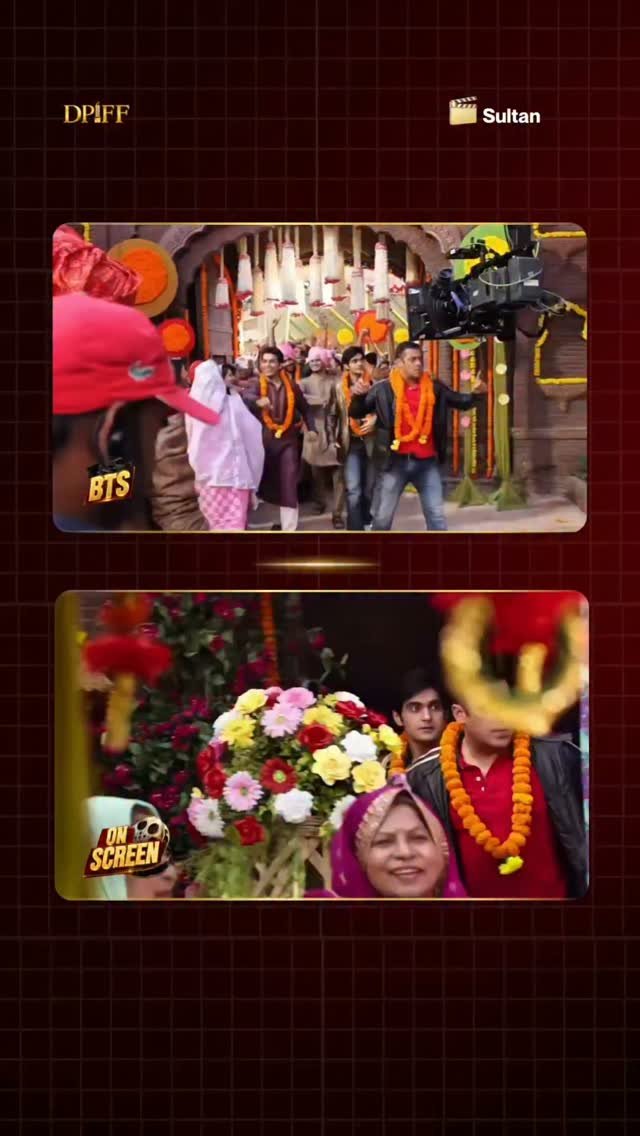
Dadasaheb Phalke International Film Festival has revisited Sultan with a social-media post contrasting the film’s on-screen presentation with its behind-the-scenes glimpses. The short video, captioned “Sultan on-screen vs. Sultan BTS,” offers a reminder of how Salman Khan’s performance as a professional wrestler was shaped for the 2016 Hindi sports drama.
Directed by Ali Abbas Zafar and produced by Yash Raj Films, Sultan followed Sultan Ali Khan, a small-town wrestler whose rise, personal setbacks and return to competition formed the emotional centre of the story. Khan played the title character, while Anushka Sharma portrayed Aarfa Hussain, another wrestler whose ambitions and relationship with Sultan were central to the film’s narrative.
The screen persona behind Sultan Ali Khan
On screen, Salman Khan’s Sultan was defined by physical strength, confidence and a distinctly local personality. The character’s journey was not presented as a simple tale of sporting victory. It also explored ambition, pride, regret and the possibility of rebuilding a life after professional and personal disappointment.
The role required Khan to move between different stages of Sultan’s life, from an inexperienced young wrestler to a celebrated competitor and, later, a man attempting to return to the sport. That progression gave the performance a physical as well as emotional dimension. Changes in appearance, body language and wrestling technique helped distinguish the character’s different phases.
Readers can find the film’s official information through the Yash Raj Films page for Sultan, which remains a useful reference for the project’s production and cast details. The film is also listed in established film databases, including its IMDb entry for Sultan.
Why the behind-the-scenes view matters
A behind-the-scenes comparison adds context to a performance that can otherwise appear effortless. Wrestling sequences depend on choreography, rehearsal, camera placement, editing and the coordination of performers and stunt teams. The finished scene may last only a few minutes, but creating it involves careful planning to maintain both dramatic momentum and the appearance of authentic physical combat.
For a sports film, this process is particularly important. The audience must understand the action quickly, recognise the stakes of each bout and remain connected to the character’s emotional state. The contrast between the polished film image and the working environment behind it can therefore reveal how performance, movement and filmmaking technique come together.
It also places the physical preparation associated with the role in a wider context. Sultan’s wrestling identity was not simply a costume or visual effect; it was an essential part of the character’s arc. The film’s storytelling depended on making the audience believe in his relationship with the sport, whether he was entering the ring at the height of his career or trying to regain his confidence later in life.
Sultan and the Hindi sports-film tradition
Released in 2016, Sultan belonged to a period when Hindi cinema was increasingly using sport as a framework for stories about resilience, discipline and social mobility. Its fictional wrestling narrative made the sport accessible to a mainstream audience while retaining the emotional structure of a character-led drama.
The film also brought together a large-scale commercial format and a story rooted in an individual athlete’s struggle. That balance helped make the production relevant beyond the wrestling ring: its central themes included the consequences of fame, the pressure of expectations and the difficult process of starting again.
DPIFF’s post is best viewed in that context. Rather than presenting new information about the film, the reel invites audiences to look again at the relationship between a finished performance and the work required to create it. For viewers who remember Sultan, the comparison offers a compact look at the craft behind a familiar screen character.
DPIFF Instagram reference
The editorial trigger for this story is DPIFF’s Instagram reel, “Sultan on-screen vs. Sultan BTS”.
Sultan on-screen vs. Sultan BTS ✨
Recent Coverage from DPIFF
DPIFF’s newsroom continues to publish editorial updates and film-related features through its official news section. Because the available reference for this story is the Sultan comparison reel, readers should consult that live page for the three most recent published articles and the latest verified headlines from the festival.
About Dadasaheb Phalke International Film Festival
Dadasaheb Phalke International Film Festival is a film and entertainment platform named after Dadasaheb Phalke, widely regarded as the pioneer of Indian cinema. Through its awards, digital publishing and industry-facing initiatives, DPIFF highlights achievements across Indian and international film culture. Its editorial channels cover cinema, artists, filmmakers, festivals and developments relevant to audiences and the wider entertainment community.
By placing the on-screen and behind-the-scenes versions of Sultan side by side, DPIFF’s reel draws attention to the preparation and technical collaboration that sit behind a recognisable film performance.



Share this link via



Share this link via