


How Smartphones Became Serious Tools for Modern Filmmaking
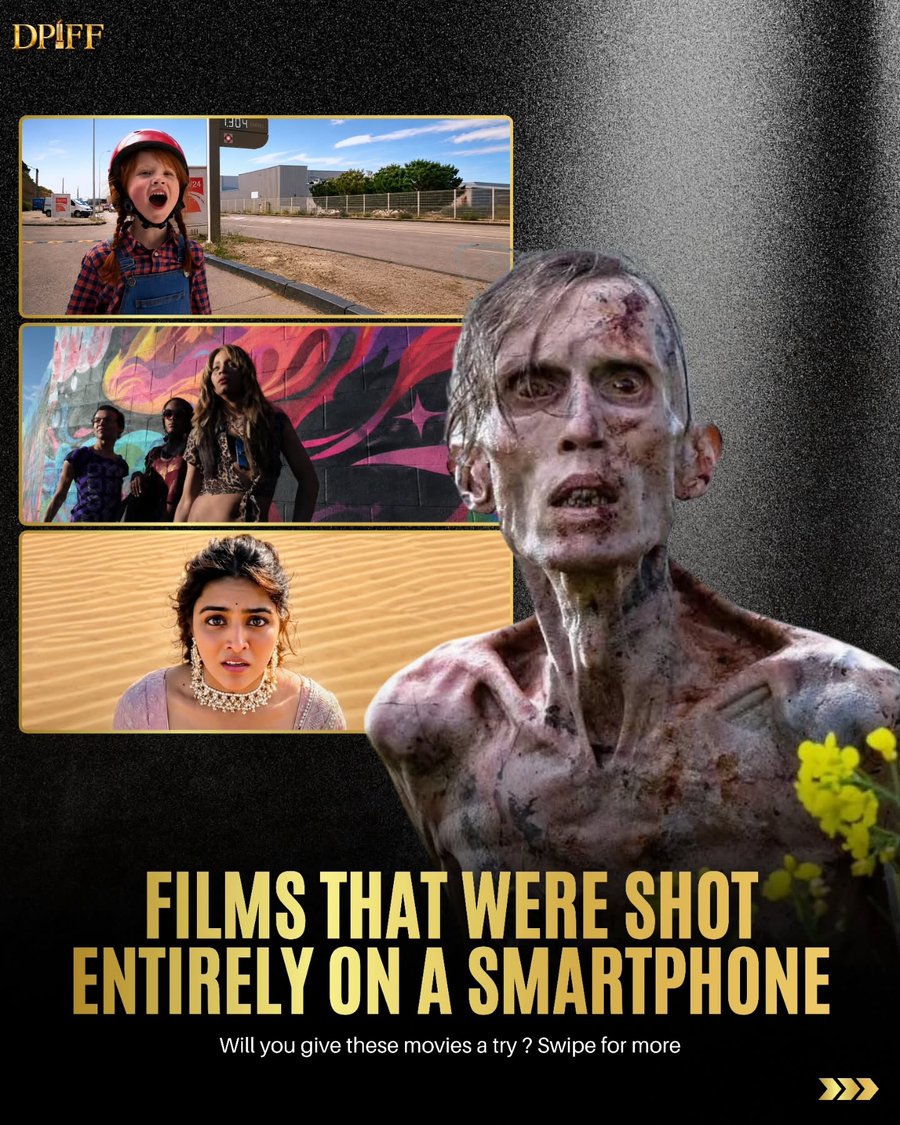
Smartphones have moved from being convenient recording devices to becoming credible tools in the filmmaking process. A DPIFF Instagram post highlights this evolution through films such as Tangerine, Unsane, High Flying Bird, Fursat, Night Fishing and 28 Years Later—projects that used iPhones in ways that challenged assumptions about what a professional cinema camera should be.
The development is significant not because a phone can simply replace every specialised camera, but because mobile filmmaking has widened access to high-quality image capture. Smaller crews, independent filmmakers and established directors can now work with compact equipment while retaining greater flexibility on location.
From experimental shorts to feature films
One of the most frequently cited examples is Sean Baker’s Tangerine, which was shot on an iPhone 5s. The film’s energetic visual style and street-level production approach demonstrated how a small camera could support an ambitious independent feature without making the technology itself the centre of attention.
Steven Soderbergh also helped bring phone-based production into mainstream industry conversations. His films Unsane and High Flying Bird used iPhones as part of their production strategy, reinforcing the idea that a filmmaker’s choices in framing, movement, lighting and performance can matter as much as the brand or size of the camera body.
These films are useful case studies because they do not present the smartphone as a shortcut. They show how a compact camera can serve a particular creative purpose: entering confined spaces, moving quickly through real locations, working with smaller crews or creating a less conspicuous production environment.
Apple’s expanding filmmaking showcase
Indian filmmaker R. Balki’s short film Fursat was shot on the iPhone 14 Pro. Apple’s behind-the-scenes account of Fursat illustrates how mobile cinematography can be integrated with professional lighting, stabilisation and production design rather than treated as an entirely separate form of filmmaking.
Earlier experiments also showed the range of phone cameras. The short film Night Fishing, directed by Park Chan-wook and Park Chan-kyong, was captured using an iPhone 4. Its production became an early example of a smartphone being used for a formally ambitious narrative film, at a time when mobile cameras were still widely regarded as novelty tools.
The more recent example of 28 Years Later marks another stage in that progression. The film primarily used the iPhone 15 Pro Max as its principal camera, as detailed in Apple’s production feature on the film. The project’s scale also makes clear that smartphone cinematography can involve purpose-built rigs, lenses, mounts and other accessories. The phone is only one part of a larger camera system.
Why mobile filmmaking matters to the industry
The importance of smartphone filmmaking lies in the creative possibilities it opens up. A lightweight setup can reduce the physical footprint of a shoot, make documentary-style work less intrusive and allow filmmakers to respond quickly to changing environments. For students and first-time directors, it can also lower the barrier to producing a complete short film.
At the same time, the technology does not remove the need for cinematographic expertise. Exposure, colour, focus, sound, production design, lighting and post-production remain central to the final result. A phone may make image capture more accessible, but it does not automatically provide a story, a visual language or a finished film.
There are also practical limitations. Dedicated cinema cameras can offer broader lens options, more robust recording formats, stronger low-light performance and greater control over accessories. Professional productions must additionally consider sound recording, data management, monitoring and the demands of large-scale post-production.
For that reason, the most useful way to view films shot on smartphones is not as evidence that traditional cameras are obsolete. Instead, they show that filmmaking tools are becoming more adaptable. Directors and cinematographers can choose a phone when its size, mobility or image characteristics suit the material, and use more conventional equipment when the production requires it.
A change in the language of production
Smartphone filmmaking has also changed the conversation around who gets to make films and how those films can be made. The technology encourages experimentation, supports rapid visual storytelling and gives emerging creators a practical route from idea to screen.
For audiences, the most important measure remains the finished work. Films such as Tangerine, Unsane and 28 Years Later matter because they use mobile technology in service of distinct cinematic experiences. Their lasting contribution is not a list of devices, but a broader understanding that professional filmmaking can begin with a camera many people already carry.
DPIFF’s Instagram reference
The discussion was highlighted in DPIFF’s carousel post, which brings together notable examples of films made with iPhones and traces the growing role of mobile devices in cinema. View the original DPIFF Instagram post for the visual reference and complete list shared by the festival.
Recent Coverage from DPIFF
Readers can find the latest verified editorial updates, film-industry features and festival-related stories in the DPIFF News archive. Because the archive is updated regularly, it remains the most reliable place to explore the festival’s three most recent relevant articles and their original publication dates.
About Dadasaheb Phalke International Film Festival
Dadasaheb Phalke International Film Festival is an Indian film festival platform that celebrates cinematic achievement and the creative work of artists and technicians. Through its editorial, festival and awards-related initiatives, DPIFF engages with developments across Indian and international cinema. Its coverage includes filmmakers, actors, films, new production practices and changing perspectives on the screen industries. More information about the organisation and its work is available through the official DPIFF website.




Share this link via



Share this link via