


Jaafar Jackson’s Michael Jackson Transformation Draws Attention
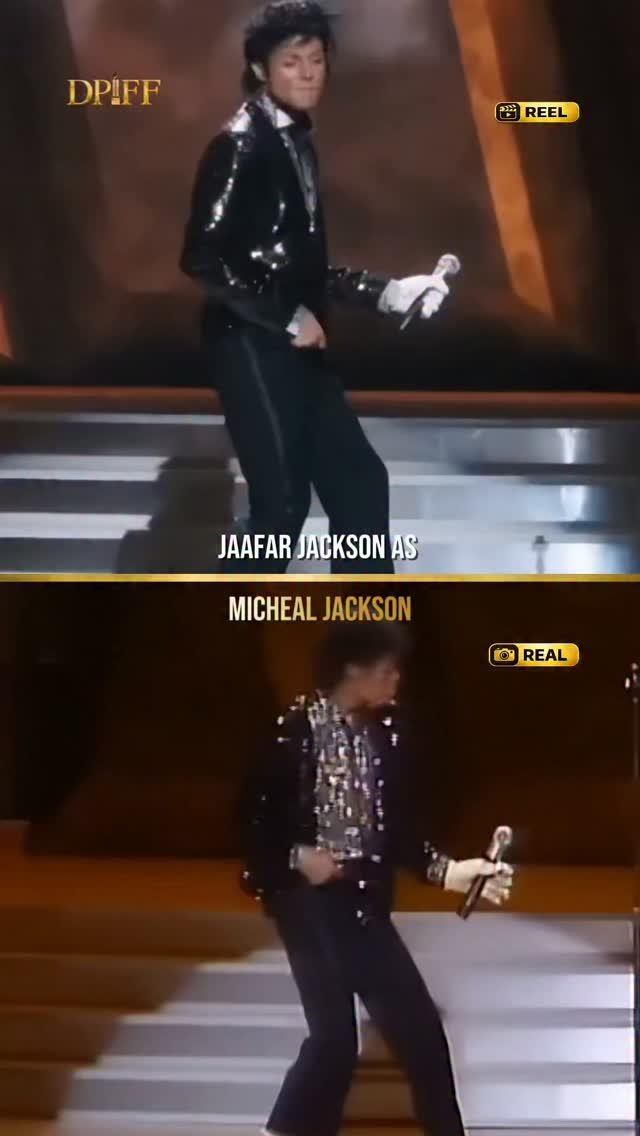
Jaafar Jackson’s transformation into Michael Jackson has become one of the most closely watched elements of the upcoming biographical film Michael. A recent video shared by Dadasaheb Phalke International Film Festival highlights the striking visual resemblance between the nephew and uncle, offering audiences an early glimpse of how the King of Pop’s image is being recreated for the screen.
The post focuses on Jaafar stepping into Michael Jackson’s signature persona, from the familiar styling to the controlled stage presence associated with the legendary performer. While a short social-media video cannot represent the full film, it has renewed interest in the ambitious challenge of portraying one of the most recognisable figures in music history.
Jaafar Jackson Takes on a Defining Screen Role
Michael is an upcoming biographical drama centred on Michael Jackson’s life and career. Jaafar Jackson, the son of musician Jermaine Jackson, plays his uncle in the film. The casting carries an unusual degree of personal connection: Jaafar is not only a professional singer but also a member of the Jackson family, giving him an intimate understanding of the performer’s legacy and public image.
The film is directed by Antoine Fuqua, whose credits include Training Day, Southpaw and Emancipation. The screenplay is by John Logan, known for films including Gladiator, The Aviator and Hugo. The project is being produced by Graham King, whose earlier work includes the music biopic Bohemian Rhapsody.
Details about the film’s complete narrative and final presentation have been kept closely controlled, but its subject matter is inherently expansive. Michael Jackson’s career included record-breaking music, landmark music videos, elaborate live performances and a global cultural impact that extended far beyond the recording industry.
Why the Resemblance Matters
For a film about Michael Jackson, physical resemblance is an important starting point, but it is not the only measure of authenticity. The actor must also reproduce the singer’s distinctive movement, vocal mannerisms, performance discipline and ability to shift between vulnerability and spectacle.
That makes Jaafar’s casting particularly significant. His family connection may offer an instinctive familiarity with Michael’s gestures and rhythms, but the role still requires the demands of a major dramatic performance. The audience will ultimately judge the portrayal not only by its likeness but by whether it communicates the emotional and professional pressures behind the public image.
Michael Jackson’s influence on popular culture is documented through his music, choreography and visual storytelling. Resources such as the Encyclopaedia Britannica biography of Michael Jackson provide broader historical context for the career being represented, while the official Michael Jackson website remains a primary destination for information about his music and legacy.
A Biopic Balancing Legacy and Dramatic Interpretation
Biographical films about globally known artists face a difficult creative balance. They must satisfy audiences who already know the songs and images, while also presenting a coherent dramatic account of the person behind them. In Michael Jackson’s case, the scale of his fame makes that responsibility even more pronounced.
The film’s significance therefore extends beyond the casting conversation. It represents an attempt to bring a defining chapter of modern music history to a new generation of cinema audiences. Younger viewers may know Jackson primarily through individual songs, iconic videos or online clips; a feature film can place those cultural moments within a larger narrative about ambition, performance and the cost of extraordinary fame.
At the same time, a responsible portrayal must distinguish between documented events and dramatic interpretation. The most effective music biopics are not simply collections of recreated performances. They use performance, family history and professional milestones to explore the forces that shaped an artist’s public identity.
DPIFF’s Instagram Post and the Audience Conversation
DPIFF’s video captures the immediate visual hook of Jaafar Jackson’s casting: the resemblance is strong enough to invite comparisons with archival images of Michael Jackson. The post is available on the festival’s official Instagram account at DPIFF’s original Instagram reel.
“When Jaafar Jackson steps into the shoes of the King of Pop… the resemblance is simply unreal!”
The clip should be understood as a promotional glimpse rather than a review of the finished film. Its value lies in showing how casting and visual transformation can shape public anticipation long before audiences see the complete performance.
Recent Coverage from DPIFF
DPIFF’s official News section carries the festival’s latest editorial coverage across cinema, performers, filmmakers, awards and developments in the entertainment industry. Readers can consult the live archive for the three most recently published stories and for related coverage added after this article’s publication.
For institutional information, readers may also visit the official DPIFF website, which provides access to the festival’s broader programming and editorial work.
About Dadasaheb Phalke International Film Festival
Dadasaheb Phalke International Film Festival is a film and entertainment platform named after Dadasaheb Phalke, widely regarded as the father of Indian cinema. DPIFF recognises creative contribution across Indian and international cinema while creating space for discussion around films, artists and the wider screen industry. Its editorial channels cover significant developments in cinema and popular culture for audiences in India and beyond.
Jaafar Jackson’s appearance as Michael Jackson has already made the film a subject of global curiosity. The larger test will come when audiences can evaluate how the completed production transforms resemblance into a sustained portrayal of a performer whose influence continues to shape music, dance and screen culture.



Share this link via



Share this link via
Share this link via

Share this link via