Jab We Met: Why Shahid Kapoor and Kareena Kapoor’s Romance Endures
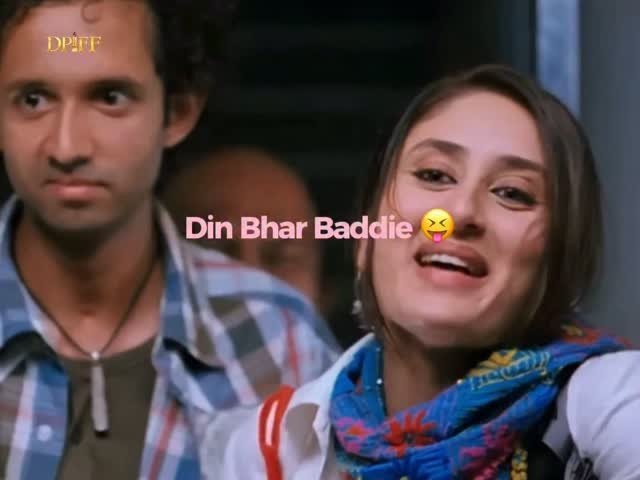
DPIFF’s Instagram spotlight on Jab We Met revisits one of Hindi cinema’s most enduring romantic comedies. Released in 2007, the film brought together Shahid Kapoor as the withdrawn businessman Aditya Kashyap and Kareena Kapoor as the energetic, outspoken Geet Dhillon, creating a relationship-driven story that continues to connect with audiences.
At the centre of the film is an unlikely meeting on a train. Aditya, emotionally exhausted after a personal setback, crosses paths with Geet, whose relentless optimism and free-spirited nature initially seem completely opposed to his own. What begins as an accidental journey gradually becomes a turning point for both characters.
A romance built around personal transformation
Directed and written by Imtiaz Ali, Jab We Met uses the structure of a road movie to explore emotional recovery. The train journey, the stopovers and the movement between cities are not merely scenic elements; they mirror the characters’ inner changes. Aditya begins the film disconnected from his family, work and sense of purpose, while Geet appears certain about her desires and future.
As the story progresses, those assumptions are challenged. Aditya slowly finds the confidence to make decisions for himself, while Geet is forced to confront the difference between speaking confidently about life and actually dealing with disappointment. Their bond develops through companionship rather than an immediate conventional romance, giving the film much of its emotional strength.
This focus on self-discovery is one reason the film has remained relevant. The romance works because both characters are changed by the relationship, rather than one simply rescuing the other. Aditya’s quietness is not treated as weakness, and Geet’s talkativeness is more than a comic device; both traits are presented as parts of complicated personalities.
Shahid Kapoor and Kareena Kapoor define the film’s appeal
The performances are central to Jab We Met’s lasting reputation. Shahid Kapoor gives Aditya a restrained, inward quality that makes his gradual emotional recovery believable. Much of the character’s early arc is conveyed through silence and body language, allowing the later moments of confidence to feel earned.
Kareena Kapoor’s Geet, meanwhile, is one of the most recognisable female characters in modern Hindi romantic cinema. She is funny, impulsive and outspoken, but the film also gives her vulnerability and emotional depth. The performance balances comic timing with moments of heartbreak, preventing Geet from becoming a one-note “bubbly” heroine.
The contrast between the two actors creates the film’s distinctive rhythm. Their conversations provide much of the humour, while the quieter sections allow the audience to understand how deeply each character is affected by the journey. That balance helps Jab We Met work both as a comedy and as an emotionally grounded relationship story.
Why the film remains culturally memorable
Many romantic comedies depend heavily on the circumstances of their release, but Jab We Met has continued to attract discussion because its emotional situations remain familiar. The film deals with heartbreak, family expectations, career uncertainty and the pressure to appear decisive even when life feels directionless.
Its locations also contribute to its identity. The movement from a crowded train to different parts of North India gives the narrative a sense of openness and momentum. Instead of confining the romance to a single urban setting, the film allows physical travel to become part of the characters’ emotional vocabulary.
The music, composed by Pritam with lyrics by Irshad Kamil, further strengthens that identity. The soundtrack moves between exuberance, romance and melancholy, complementing the film’s changing moods without overwhelming the narrative. Along with the performances and dialogue, it helped make the film highly recognisable beyond its central love story.
For viewers discovering the film today, its appeal lies in the combination of accessible humour and emotional honesty. Jab We Met does not suggest that love alone solves every problem. Instead, it presents a relationship that encourages two people to understand themselves more clearly and make choices that belong to them.
DPIFF’s Instagram reference
DPIFF’s original Instagram reel presents Jab We Met as a feel-good Bollywood story centred on Aditya and Geet’s unexpected train encounter, their misunderstandings and the changes that follow. Readers can view the post directly on DPIFF’s Instagram.
The film also remains part of the wider conversation around Hindi cinema’s popular romantic comedies. Its entry on IMDb provides standard production and cast information, while the film’s reference page offers a broader overview of its plot and cultural context. Audience and critical responses can also be explored through its listing on Rotten Tomatoes.
Recent Coverage from DPIFF
DPIFF’s newsroom continues to publish stories covering Indian cinema, film personalities, cultural milestones and developments across the entertainment industry. Readers can explore the latest verified editorial updates through the DPIFF News section. This is the most reliable place to find recent coverage and related festival stories without relying on unverified reposts or social-media summaries.
About Dadasaheb Phalke International Film Festival
Dadasaheb Phalke International Film Festival is a film and entertainment platform named after Dadasaheb Phalke, widely regarded as the father of Indian cinema. The festival celebrates creative contributions across Indian and international screen culture. Through its editorial and social channels, DPIFF highlights films, artists, filmmakers and developments that remain significant to audiences. Its coverage connects contemporary entertainment conversations with the broader history of cinema.
By bringing Aditya and Geet together, Jab We Met turned an accidental journey into a story about emotional renewal. That combination of memorable characters, accessible humour and genuine vulnerability explains why the film continues to be revisited by Bollywood audiences years after its release.


Share this link via


Share this link via

Share this link via