


Farah in Dil Dhadakne Do: A Story of Freedom and Identity
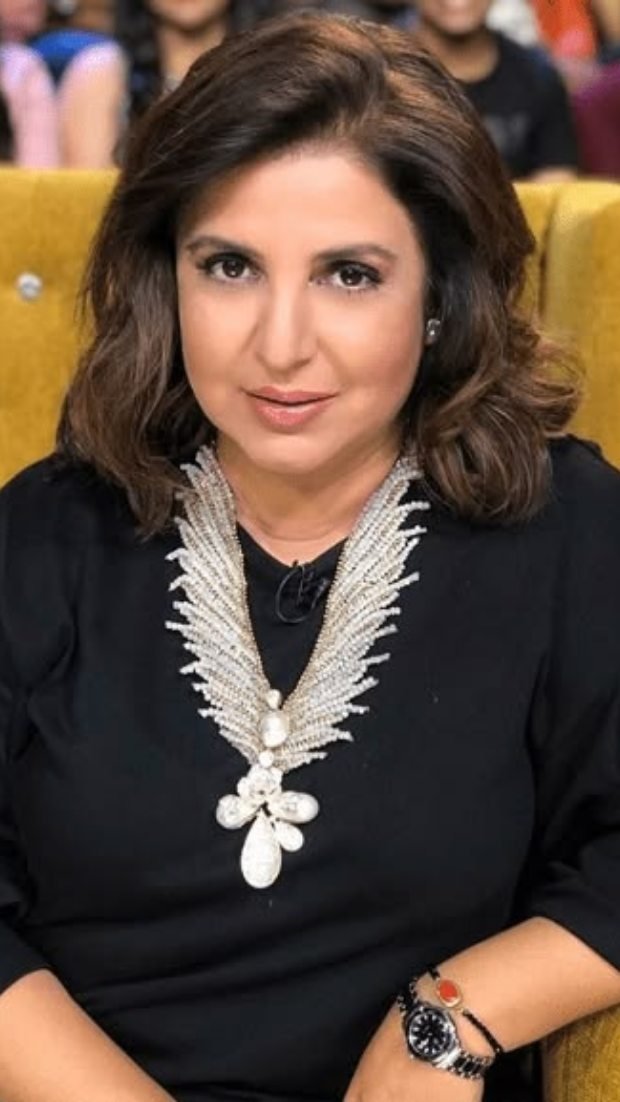
DPIFF’s latest Instagram post revisits Farah, the independent-minded boxer played by Anushka Sharma in Dil Dhadakne Do, and the character’s search for a life shaped by her own choices. While the 2015 film is built around the Mehra family’s emotional conflicts, Farah’s presence adds another perspective on independence, ambition and the courage to step beyond social expectations.
Farah is introduced as a professional boxer who joins the Mehra family on a luxury cruise celebrating the parents’ wedding anniversary. Her confidence and directness set her apart from the carefully managed world inhabited by Kabir Mehra and his family. Unlike the Mehras, who are constrained by wealth, reputation and inherited responsibilities, Farah appears comfortable defining herself through her work and convictions.
Farah’s independence is central to her character
The character’s appeal lies in the fact that her independence is not presented as a decorative personality trait. Farah has built an identity outside the conventional expectations often placed on women in mainstream family dramas. Her career as a boxer gives her a visible sense of purpose, while her conversations with Kabir challenge his assumptions about privilege, family duty and personal freedom.
Through Farah, Dil Dhadakne Do expands its examination of people who are expected to perform a particular version of themselves. Kabir is being prepared to inherit the family business despite his own uncertainty, while his sister Ayesha struggles to have her ambitions and unhappiness taken seriously. Farah, by contrast, represents someone who has already taken ownership of her direction in life.
How Farah changes Kabir’s understanding of freedom
Farah’s relationship with Kabir is important because it is not only a romantic subplot. She becomes a source of perspective for a man who has spent much of his life accepting decisions made by his family. Her independence encourages him to question whether comfort and privilege are enough when they come at the cost of personal choice.
The film does not suggest that freedom comes without uncertainty. Farah’s confidence exists alongside the practical challenges of building a career and making decisions outside accepted norms. That balance keeps the character grounded. She is not defined simply by rebellion; she is defined by the discipline and conviction required to sustain a life on her own terms.
Dil Dhadakne Do and its wider conversation about choice
Directed by Zoya Akhtar and written by Akhtar and Reema Kagti, Dil Dhadakne Do uses a family holiday as the setting for a larger discussion about emotional repression, social status and individual agency. The film’s ensemble includes Ranveer Singh, Priyanka Chopra Jonas, Anil Kapoor, Shefali Shah, Farhan Akhtar and Anushka Sharma.
Its cruise setting brings characters from different social and emotional worlds into close proximity. That structure allows the film to compare inherited privilege with self-made ambition and family obligation with personal fulfilment. Farah’s role is especially meaningful in this framework because she is not tied to the Mehra family’s history. She can see their contradictions from the outside and respond to them without the same fear of social consequences.
The character also contributes to the film’s representation of women who are ambitious without being reduced to a single professional label. Farah’s boxing career is part of her identity, but the story also gives her emotional clarity, humour and agency within the romance. Her connection with Kabir works because she is treated as a person with her own direction rather than as a solution to his problems.
Why Farah remains relevant
Farah continues to resonate because the question at the centre of her story is widely recognisable: how can a person separate their own aspirations from the life others have planned for them? The answer in Dil Dhadakne Do is not expressed through a single dramatic declaration. It emerges through everyday choices, honest conversations and the willingness to leave familiar expectations behind.
DPIFF’s post brings attention to that emotional thread by framing Farah’s journey around freedom, identity and self-discovery. It is a useful reminder that the film’s themes extend beyond its family drama and romance. Farah’s story reflects the importance of creating space for women to choose their careers, relationships and futures without having to justify those choices through traditional definitions of success.
DPIFF Instagram reference
The discussion is prompted by DPIFF’s Instagram Reel on Farah and her journey in Dil Dhadakne Do. View the original post here:
Recent Coverage from DPIFF
DPIFF’s latest editorial updates, festival announcements and film-related features are published on the official DPIFF News page. Readers can visit the page for the three most recent articles and continuing coverage from the festival.
About Dadasaheb Phalke International Film Festival
Dadasaheb Phalke International Film Festival is an Indian film and entertainment platform named after Dadasaheb Phalke, widely regarded as the father of Indian cinema. DPIFF recognises creative contributions across Indian and international cinema through its festival initiatives, editorial coverage and award-related programming. Its work connects audiences with films, performers, filmmakers and the wider culture of screen entertainment.
Farah’s place in Dil Dhadakne Do demonstrates how a supporting character can sharpen a film’s central ideas. Her story remains a clear expression of the value of independence: not simply escaping expectation, but developing the confidence to decide what comes next.


Share this link via


Share this link via
Share this link via
Share this link via