


Why Oh My Friend Ganesha Still Lives in Childhood Memories
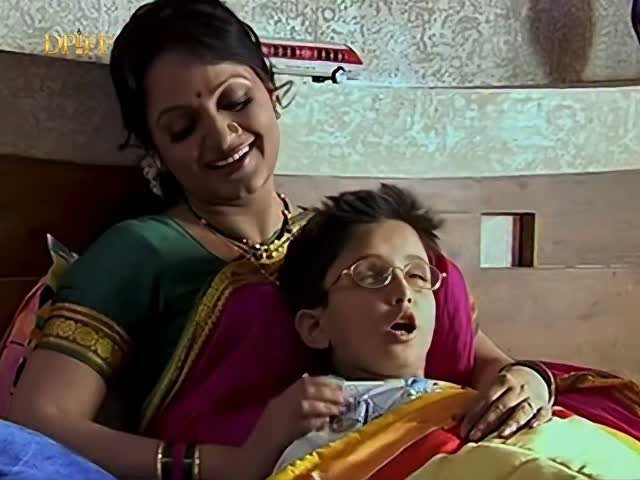
For many viewers who discovered it during childhood, Oh My Friend Ganesha remains more than a children’s film. Its blend of friendship, fantasy and innocence continues to evoke memories of carefree afternoons, imaginative adventures and a time when the impossible felt entirely believable.
DPIFF recently revisited that emotional connection through an Instagram post celebrating the film’s nostalgic appeal. Rather than presenting a new announcement, the post reflected on why Oh My Friend Ganesha continues to occupy a special place in the memories of audiences who grew up watching it.
A children’s fantasy built around friendship
Released in 2007, Oh My Friend Ganesha belongs to a category of Indian films that placed children at the centre of their storytelling. The film follows a young boy whose loneliness and everyday struggles are transformed by the arrival of Lord Ganesha as a magical friend. Its narrative uses fantasy not only as spectacle, but also as a way of exploring companionship, courage and emotional reassurance.
That emotional foundation helped the film connect with younger viewers. The story was easy to understand, but its central idea was powerful: friendship can appear when it is needed most, and imagination can make difficult moments feel less frightening. The presence of Ganesha also gave the film a distinctly Indian cultural setting, bringing mythology and contemporary childhood experiences together in an accessible format.
Why the film continues to inspire nostalgia
The nostalgia surrounding Oh My Friend Ganesha is closely tied to the way children’s entertainment was experienced in the late 2000s. Television screenings, school holidays and family viewing often gave films like this a life beyond their original release. A movie could become part of a viewer’s routine without being constantly available on demand, making each repeat telecast feel like a familiar event.
For audiences who watched the film when they were young, remembering it is therefore about more than recalling its plot. It also brings back a wider atmosphere: summer afternoons, television time shared with siblings, uncomplicated friendships and the freedom to become completely absorbed in a fictional world.
This is why the film’s appeal can persist even as viewers grow older. Nostalgia does not necessarily depend on a work being technically perfect or culturally dominant. It often comes from the personal circumstances in which the work was encountered. A film watched during a formative period can become attached to memories of family, routine and childhood itself.
The place of fantasy in Indian children’s cinema
Oh My Friend Ganesha is also a reminder of the importance of films made specifically for young audiences. Children’s cinema often has to balance entertainment with emotional clarity, cultural familiarity and visual imagination. Stories involving magical companions can give young viewers a safe framework through which to understand loneliness, fear and the need for support.
In this film, the fantasy element is closely connected to the child’s emotional world. Ganesha is not simply a larger-than-life figure added to create visual excitement; he represents comfort, guidance and the possibility that a child’s concerns deserve to be taken seriously. That perspective helps explain why the film can remain meaningful to viewers even after the details of the story have faded.
A cultural memory shared by a generation
The renewed conversation around Oh My Friend Ganesha reflects a broader interest in childhood films from the 2000s. As viewers revisit titles associated with their early years, they are also revisiting the viewing habits and cultural touchstones that shaped them. Such films become shared reference points among people who may now encounter entertainment through very different platforms.
That does not mean every nostalgic title needs to be revived or remade. Sometimes its significance lies precisely in the memory attached to the original viewing experience. A film can remain valuable because it reminds audiences of how they once responded to stories—with openness, wonder and a willingness to believe in friendship as a form of magic.
DPIFF’s Instagram reference
DPIFF’s reflection on Oh My Friend Ganesha captures this lasting emotional association. The original post can be viewed on the Dadasaheb Phalke International Film Festival Instagram page. Its focus is not on a new release or industry update, but on the memories that continue to surround a film watched by many during childhood.
About Dadasaheb Phalke International Film Festival
Dadasaheb Phalke International Film Festival is an Indian film festival and entertainment platform dedicated to recognising cinematic achievement and celebrating the work of artists and technicians. Named after Dadasaheb Phalke, widely regarded as the father of Indian cinema, DPIFF highlights the relationship between film, culture and audiences. Through its editorial and social platforms, the festival also revisits notable moments, films and personalities from Indian cinema.
For those who grew up with it, Oh My Friend Ganesha endures as a gentle reminder that some films become part of our lives not because they define an era, but because they preserve the feeling of being young enough to believe that an extraordinary friendship could appear at any moment.


Share this link via


Share this link via
Share this link via
Share this link via