


Why Bajrangi Bhaijaan Songs Still Carry One Powerful Emotion
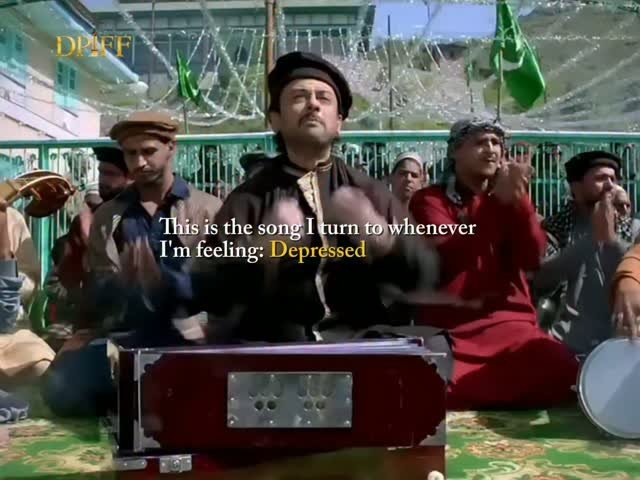
A short DPIFF Instagram reel built around the idea of “100 songs, one emotion” revisits the enduring emotional pull of Bajrangi Bhaijaan. While the post does not identify a single track, its reference to the 2015 film captures what made the soundtrack so memorable: each song added to the story’s central ideas of compassion, separation, hope and human connection.
Directed by Kabir Khan, Bajrangi Bhaijaan follows Pavan Kumar Chaturvedi, played by Salman Khan, as he helps a young Pakistani girl known as Munni return to her family after she becomes separated from them in India. Harshaali Malhotra’s performance as the largely non-speaking child gave the film much of its emotional force, while Kareena Kapoor Khan and Nawazuddin Siddiqui added important dimensions to the narrative.
The emotional world of Bajrangi Bhaijaan
The film’s emotional impact did not depend only on its dramatic scenes. Its music worked as a narrative bridge between characters, places and feelings that could not always be expressed through dialogue. The songs helped the audience understand Pavan’s innocence, Munni’s vulnerability and the growing bond between them.
That emotional range is visible across the soundtrack. “Tu Jo Mila” expresses the comfort of finding an unexpected companion, while “Bhar Do Jholi Meri” draws on devotional and qawwali traditions to create a feeling of longing and surrender. More celebratory numbers, including “Selfie Le Le Re” and “Aaj Ki Party,” provide energy without changing the film’s fundamentally warm tone.
The soundtrack was composed by Pritam, with lyrics contributed by writers including Kausar Munir, Mayur Puri and Neelesh Misra. The songs were not used merely as interruptions between scenes; they helped establish the film’s emotional rhythm and made its themes accessible to a wide audience.
Why the music continues to resonate
Bajrangi Bhaijaan arrived at a time when mainstream Hindi cinema was increasingly balancing large-scale entertainment with stories rooted in empathy. Its central conflict was easy to understand, but the film’s appeal came from the way it treated borders and identity through the perspective of a child and an uncomplicated protagonist.
The music reinforced that approach. Rather than presenting emotion as a single dramatic outburst, the soundtrack moved through several shades of feeling: joy, anxiety, faith, homesickness and relief. This is why different listeners may associate the film with different songs while recognising the same emotional core.
“Tu Jo Mila,” sung by KK, became especially closely associated with the film’s quieter moments. Its reflective quality mirrors the relationship between Pavan and Munni, whose connection develops through gestures, trust and persistence. “Bhar Do Jholi Meri,” performed by Adnan Sami, offers a more overtly devotional expression, turning personal pain into a plea for help.
A film remembered through its songs
For many viewers, revisiting the music of Bajrangi Bhaijaan also means revisiting the film’s larger message. Pavan’s journey is built on the belief that kindness can cross barriers that politics and geography often make seem permanent. The songs give that belief a memorable emotional language.
The DPIFF reel’s concise message therefore works as more than a reference to a popular soundtrack. It points to the way Hindi film music can compress an entire cinematic experience into a feeling. A melody, lyric or vocal performance can bring back the characters, the journey and the emotional resolution long after the film has ended.
DPIFF Instagram reference
The editorial reference for this story is the DPIFF Instagram reel, which uses the phrase “100 Song 1 Emotion” alongside a reference to Bajrangi Bhaijaan. The post serves as the prompt for revisiting the film’s emotionally driven music and its continuing connection with audiences.
Recent Coverage from DPIFF
DPIFF’s latest editorial updates, including recent stories on Indian cinema, film personalities and developments across the entertainment industry, are available through the DPIFF News archive. As the individual article listings could not be independently verified from the supplied reference, no unconfirmed titles or URLs have been added here.
About Dadasaheb Phalke International Film Festival
Dadasaheb Phalke International Film Festival is a film and entertainment platform named after Dadasaheb Phalke, widely regarded as the father of Indian cinema. DPIFF recognises creative contributions across Indian and international screen culture while providing a space for filmmakers, performers, technicians and audiences to engage with cinema. Its editorial platforms cover films, music, artists, festivals and significant developments in the entertainment industry.
The lasting appeal of Bajrangi Bhaijaan lies in how its story and soundtrack reach the same destination: an emotion that is simple, generous and widely understood.



Share this link via



Share this link via

Share this link via

Share this link via