


Raksha Bandhan 2022: Akshay Kumar’s Family Drama Explained
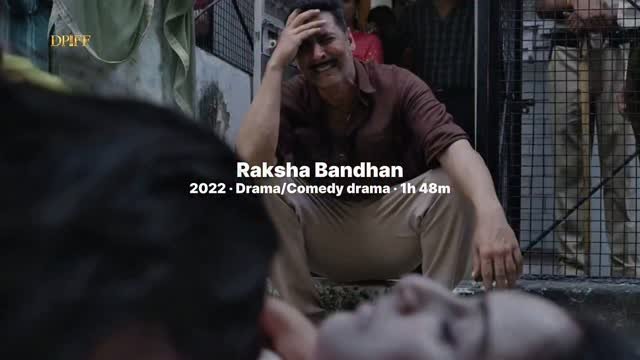
Raksha Bandhan (2022) places sibling responsibility at the centre of a Hindi family drama led by Akshay Kumar. The film follows Lala Kedarnath, a sweet-shop owner whose life is shaped by a promise to his late mother: he must arrange the marriages of his four younger sisters before considering his own future.
DPIFF’s Instagram post revisits the film through its central themes of sibling love, sacrifice and family responsibility. While the story uses the occasion of Raksha Bandhan as an emotional backdrop, it also examines the financial pressures, social expectations and gendered traditions that influence the lives of the family’s women.
Akshay Kumar as Lala Kedarnath
Akshay Kumar plays Lala Kedarnath, the eldest brother and primary caretaker of his household. His character is defined by affection for his sisters, but also by the burden of being responsible for their futures. The film presents his efforts as both an expression of love and a source of personal conflict.
Lala’s financial struggles make the family’s situation more complicated. Arranging four marriages requires money, social approval and emotional compromise, while his own relationship with Sapna, played by Bhumi Pednekar, becomes entangled in the expectations placed on him. This gives the story a broader focus than a conventional romantic or celebratory family film.
A family story shaped by social expectations
At its core, Raksha Bandhan is about the bond between brothers and sisters. However, the film also draws attention to the unequal expectations placed on women in traditional family structures. The sisters’ marriages are treated as a major responsibility, reflecting a social environment in which a woman’s future is often discussed through marriage and family honour.
That tension is central to the film’s emotional framework. Lala wants to protect his sisters, yet the decisions made on their behalf raise questions about independence, choice and the meaning of responsibility. The resulting conflict allows the film to explore how affection can coexist with outdated social practices.
Cast, direction and release context
Directed by Aanand L. Rai, Raksha Bandhan features an ensemble cast alongside Akshay Kumar and Bhumi Pednekar. The film’s supporting performances include Sadia Khatib, Seema Pahwa, Deepika Khanna and Smrithi Srikanth, who play members of Lala’s family and help establish the close-knit but pressured household at the centre of the narrative.
The film was released in theatres on 11 August 2022, around the Raksha Bandhan period. Its timing connected the story directly with a festival associated with affection, protection and sibling relationships, giving the film a clear cultural point of entry for family audiences.
Rather than treating the festival only as a celebratory symbol, the film uses it to examine what families expect from brothers and sisters. Lala’s promise becomes the dramatic engine of the story, but the sisters’ experiences provide the film with its social dimension.
Why Raksha Bandhan remains relevant
Family dramas often find their emotional strength in recognisable domestic situations, and Raksha Bandhan draws on familiar concerns: limited finances, marriage negotiations, parental expectations and the pressure on an eldest child to hold a family together. These themes make the film accessible while also inviting discussion about whether sacrifice should be the only measure of love.
The film is also part of a long Hindi cinema tradition in which sibling relationships provide the foundation for the plot. Its focus on a brother caring for his sisters places it within that tradition, while its treatment of women’s choices gives the story a contemporary point of discussion. For viewers, the film offers both an emotional family narrative and an opportunity to consider how social customs affect individual lives.
DPIFF’s Instagram reference
DPIFF’s original Instagram video presents Raksha Bandhan as a film about sibling love, sacrifice, family bonds and the challenges faced by women in traditional society. The post can be viewed here:
View the original DPIFF Instagram post on Raksha Bandhan (2022)
Recent Coverage from DPIFF
DPIFF’s latest editorial coverage is available through the festival’s official news section. As current article listings and publication dates require live verification, readers can visit the DPIFF News page for the three most recently published stories and related film coverage.
About Dadasaheb Phalke International Film Festival
Dadasaheb Phalke International Film Festival is a platform dedicated to celebrating achievements in Indian cinema and the wider entertainment ecosystem. Named after Dadasaheb Phalke, widely regarded as the father of Indian cinema, the festival highlights the creative contributions of filmmakers, performers and other industry professionals. Through its awards, editorial initiatives and digital platforms, DPIFF connects audiences with important developments and conversations in film.
By returning to the story of Lala Kedarnath and his sisters, DPIFF’s post draws attention to the enduring appeal of family-centred storytelling in Hindi cinema. Raksha Bandhan uses a familiar festival and an emotionally recognisable household to examine love, duty and the need to question traditions that shape people’s lives.



Share this link via



Share this link via

Share this link via

Share this link via