


Hum Aapke Hain Koun: Why the Salman-Madhuri Classic Endures
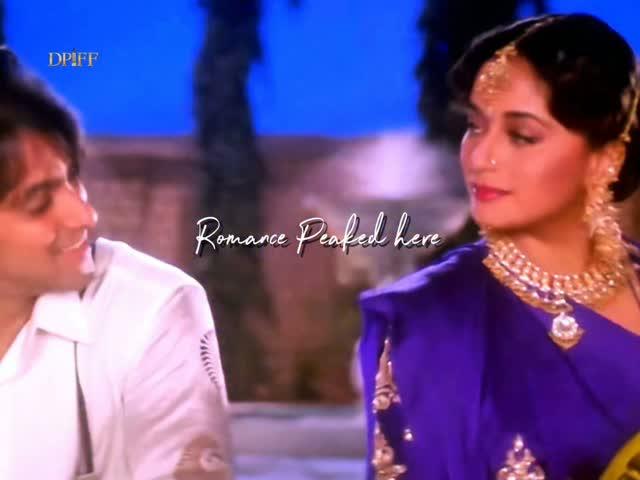
Hum Aapke Hain Koun..! remains one of Hindi cinema’s most enduring family dramas, bringing together romance, tradition, music and emotional sacrifice in a story that continues to resonate with audiences. The film’s central pair, Prem and Nisha, are separated by their responsibility towards their families before love ultimately finds its way back to them.
Dadasaheb Phalke International Film Festival recently revisited the film in an Instagram video, highlighting its emotional foundation: love that is willing to step aside for family, and relationships strengthened by togetherness. The post places the spotlight on a film that became a defining cultural touchstone of 1990s Bollywood.
A love story shaped by family responsibility
Directed by Sooraj Barjatya, Hum Aapke Hain Koun..! stars Salman Khan as Prem and Madhuri Dixit as Nisha. Their romance develops within a large, affectionate family setting, where celebrations, rituals and everyday relationships are given as much importance as the central love story.
The narrative takes an emotional turn when Prem and Nisha choose to protect their families rather than openly pursue their relationship. Their decision gives the film its defining dramatic conflict. Instead of presenting love as an isolated personal choice, the film frames it as something that exists alongside duty, respect and the responsibilities shared by a family.
That balance helped make the film accessible to a broad audience. Viewers could connect with the romance between Prem and Nisha, while also recognising the importance given to siblings, parents, marriage and family honour within the story.
Salman Khan and Madhuri Dixit’s defining pairing
The film’s lasting appeal is closely linked to the chemistry between Salman Khan and Madhuri Dixit. Salman’s Prem is warm, playful and emotionally sincere, while Madhuri’s Nisha combines grace with quiet strength. Their performances allow the romance to develop naturally within the film’s larger ensemble.
The supporting cast, including Mohnish Bahl, Renuka Shahane, Anupam Kher and Reema Lagoo, also contributes to the film’s sense of an interconnected household. The relationships between the characters give the story its emotional weight, particularly when personal happiness comes into conflict with family expectations.
More than a romance: the importance of celebration
Hum Aapke Hain Koun..! is remembered not only for its plot but also for the way it turns family celebrations into a major part of the cinematic experience. Songs, games, wedding customs and festive gatherings are woven into the narrative rather than treated as separate interruptions.
This approach gave the film a distinctive rhythm. Moments of humour and celebration sit alongside scenes of grief and sacrifice, allowing the audience to experience the family’s changing emotional landscape. The result is a film in which music and ceremony help reveal character, deepen relationships and move the story forward.
The soundtrack by Raamlaxman became an important part of the film’s identity. Songs such as “Didi Tera Devar Deewana,” “Pehla Pehla Pyar,” “Joote Dedo Paise Lelo” and “Mujhse Juda Hokar” remain strongly associated with Hindi wedding and family celebrations. Their continued familiarity reflects the film’s influence beyond the theatre and into popular culture.
The film’s place in 1990s Bollywood
Released in 1994 under the Rajshri Productions banner, Hum Aapke Hain Koun..! became a major milestone for the Hindi family entertainer. Its success demonstrated the commercial strength of stories built around romance, clean humour, music and intergenerational relationships.
The film was also recognised at the National Film Awards, receiving the award for Best Popular Film Providing Wholesome Entertainment. That honour reflected the film’s broad appeal and its emphasis on family-oriented storytelling at a time when Hindi cinema was evolving in both style and subject matter.
Its influence can also be seen in the continuing popularity of family wedding dramas and celebration-led films. While later productions have adopted different visual styles and social settings, the template of combining romance with elaborate family relationships remains a familiar part of mainstream Indian cinema.
Why Hum Aapke Hain Koun..!? still connects with audiences
The film’s emotional premise remains straightforward but powerful: love is tested not by a lack of feeling, but by the willingness of the characters to make difficult choices for those around them. Prem and Nisha’s separation gives the eventual resolution its emotional force because their love has been shaped by sacrifice rather than immediate fulfilment.
For many viewers, the film also carries the memory of a particular era in Bollywood, when a theatrical release could become a shared family occasion. Its songs, performances and visual language continue to evoke the atmosphere of 1990s Hindi cinema, while its focus on affection, loyalty and togetherness keeps the story recognisable to newer audiences.
That combination explains why Hum Aapke Hain Koun..! remains more than a successful Salman Khan-Madhuri Dixit film. It is a film about how families celebrate, grieve, compromise and ultimately come together.
DPIFF Instagram Reference
DPIFF’s video post revisiting Hum Aapke Hain Koun..! focuses on the film’s themes of love, family, sacrifice and togetherness. The original post is available on DPIFF’s official Instagram page.
Recent Coverage from DPIFF
DPIFF’s latest editorial updates, including recent stories on Indian cinema, artists and film-related developments, are available through the festival’s official News section. Readers can visit the page for the most recently published coverage and current editorial updates.
About Dadasaheb Phalke International Film Festival
Dadasaheb Phalke International Film Festival is an Indian film festival and entertainment platform dedicated to celebrating cinema and the people who shape it. Its editorial and social channels cover films, actors, filmmakers, cultural moments and developments across the entertainment industry. DPIFF also honours creative contributions and provides a platform for conversations around Indian and international cinema.
By returning to films such as Hum Aapke Hain Koun..!, DPIFF keeps attention on the stories and performances that have shaped the collective memory of Hindi cinema.



Share this link via



Share this link via

Share this link via