Kalank’s Roop and Zafar: Why Their Love Story Still Hurts
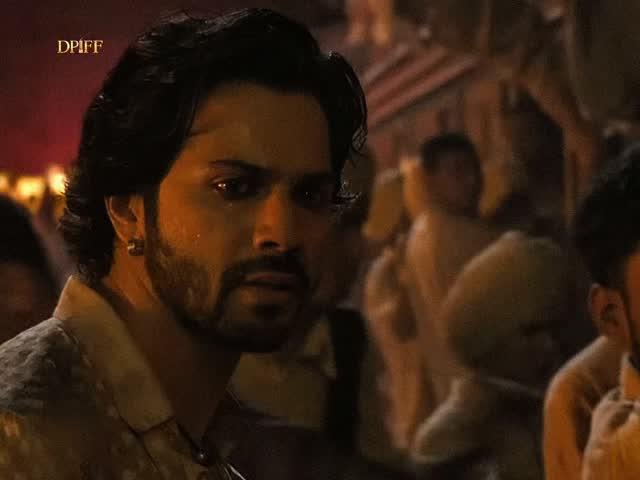
Some of the most affecting romances in Hindi cinema are not defined by reunion, but by the painful distance between two people who cannot build a life together. That emotional idea is at the centre of the Roop and Zafar storyline in Kalank, the 2019 period drama directed by Abhishek Varman.
A recent DPIFF Instagram reel revisits the couple’s final separation, drawing attention to the heartbreak that gives their relationship its lasting impact. Roop and Zafar’s romance is not presented as a conventional journey towards happiness; it unfolds within a world shaped by social expectations, existing commitments and growing communal tension.
Roop and Zafar’s relationship in Kalank
Alia Bhatt plays Roop, a young woman whose life changes after she enters the Chaudhry household in Husnapur. Varun Dhawan plays Zafar, a blacksmith from the town’s marginalised quarters whose rebellious personality conceals deep emotional wounds. Their connection develops gradually, as Roop begins to understand the person behind Zafar’s anger and isolation.
The relationship is complicated from the beginning. Roop is married to Dev Chaudhry, played by Aditya Roy Kapur, and her place within the family is closely tied to duty and social convention. Her feelings for Zafar therefore exist in conflict with the life she has been asked to accept. The film uses this conflict to explore how personal desire can be restricted by family structures and the rigid divisions of its setting.
Why the separation carries emotional weight
The final separation between Roop and Zafar is powerful because it refuses to treat love as enough to overcome every circumstance. Their bond may be sincere, but the world around them is marked by inequality, violence and uncertainty. Instead of turning their relationship into a simple triumph over convention, Kalank presents it as a deeply human connection that remains vulnerable to forces beyond the couple’s control.
This makes the ending more than a sad twist. It completes the film’s broader examination of incomplete lives and unresolved emotions. Roop and Zafar are drawn to each other at a moment when their surroundings are already moving towards upheaval, and their personal tragedy becomes part of a larger story about separation and displacement.
Kalank’s period setting and emotional design
Set in the 1940s, Kalank places its characters against a period of major political and social change. The film’s fictional town of Husnapur brings together characters from different communities and social backgrounds, allowing the romance to exist alongside questions of power, identity and belonging.
The film also uses an expansive visual style to contrast with the intimacy of its central relationships. Grand sets, elaborate costumes and sweeping musical sequences create a heightened world, while the scenes between Roop and Zafar are driven by hesitation, vulnerability and the knowledge that their circumstances are unstable. That contrast helps the romance remain emotionally distinct even within the film’s large-scale period setting.
A romance remembered for its incompleteness
Roop and Zafar’s story continues to resonate because it reflects a familiar truth about tragic romance: not every meaningful relationship reaches a fulfilling conclusion. Their love is memorable precisely because it remains unfinished. The absence of a conventional happy ending leaves the audience with the emotional consequences of what the characters wanted, rather than the comfort of seeing that desire fulfilled.
The DPIFF reel captures that central feeling through a concise reminder of the couple’s final goodbye. In doing so, it places Kalank within the long tradition of Hindi film romances where separation becomes the defining part of the love story.
DPIFF Instagram Reference
Watch the original DPIFF reel on Instagram for the visual tribute to Roop and Zafar’s incomplete love story.
Recent Coverage from DPIFF
For the latest verified editorial updates, film features and entertainment stories published by Dadasaheb Phalke International Film Festival, readers can visit the DPIFF News archive. The archive provides the most current list of published coverage and is updated by the festival’s editorial platform.
About Dadasaheb Phalke International Film Festival
Dadasaheb Phalke International Film Festival is an Indian film festival and entertainment platform named after Dadasaheb Phalke, widely regarded as the pioneer of Indian cinema. DPIFF recognises achievements across the Indian film industry and provides a platform for celebrating cinema, filmmakers, performers and creative contributors. Through its official digital channels, the festival also shares film-related stories, milestones and cultural conversations with audiences.
Roop and Zafar’s story remains one of Kalank’s most enduring emotional threads: a love remembered not because it found a way to last, but because it could not.


Share this link via



Share this link via

Share this link via