1920 Horror Film: How Love and Faith Drive Vikram Bhatt’s Story
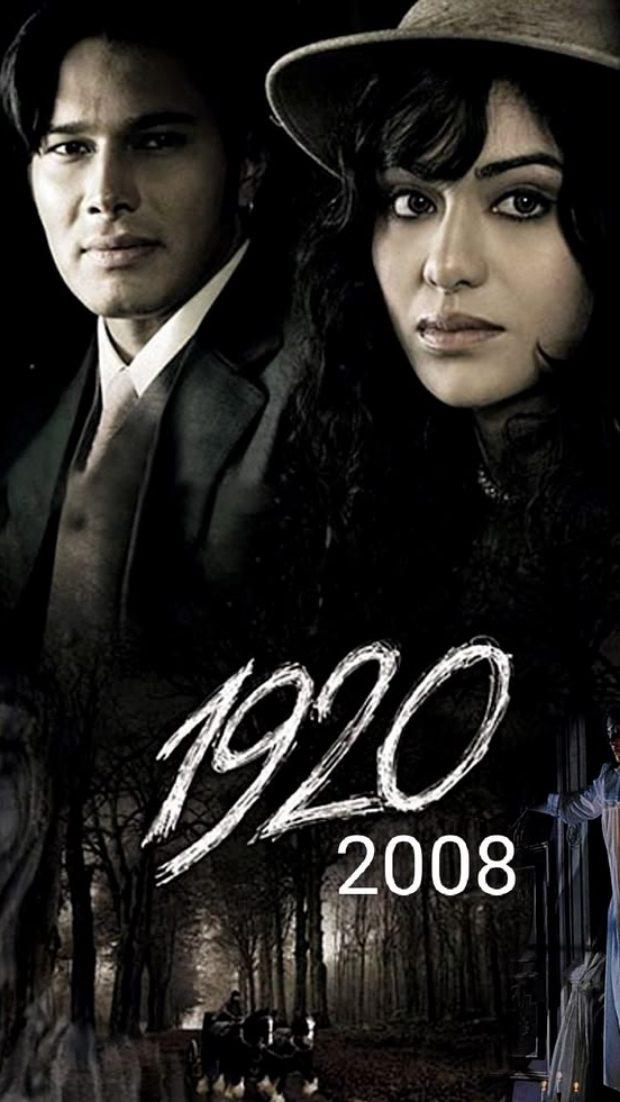
Dadasaheb Phalke International Film Festival has revisited 1920, Vikram Bhatt’s supernatural horror film set in British-era India, through a video post on its official Instagram account. While the film is built around possession, haunted spaces and frightening supernatural events, its emotional core is the relationship between Arjun and Lisa, a married couple whose love is tested by a powerful evil spirit.
Released in 2008, 1920 occupies an important place in the modern Hindi horror landscape. The film combines the atmosphere of a period drama with the conventions of gothic horror, using an isolated mansion, religious faith and a seemingly unstoppable supernatural presence to create its central conflict.
A haunted mansion becomes the centre of the conflict
The story follows Arjun and Lisa after they begin their married life in an old mansion. Their surroundings gradually become threatening as Lisa is affected by a dark supernatural force. What first appears as a series of disturbing incidents develops into a full possession narrative, placing the couple at the centre of a battle between human devotion and evil.
Arjun’s response gives the film its emotional direction. Rather than abandoning Lisa or accepting the situation as irreversible, he searches for a way to save her. His determination transforms the story from a conventional haunted-house tale into a narrative about responsibility, sacrifice and the limits to which a person may go for a loved one.
Vikram Bhatt’s approach to Hindi supernatural horror
Directed by Vikram Bhatt, 1920 draws on familiar elements of gothic storytelling: an imposing old residence, a historical setting, unexplained phenomena and a conflict involving spiritual forces. The British-era backdrop gives the film a distinct visual and narrative identity, separating it from contemporary urban horror stories.
The period setting also strengthens the film’s sense of isolation. With the mansion functioning as both home and threat, the characters are placed in an environment where ordinary explanations appear increasingly inadequate. This allows the film to move between romance, horror and spiritual drama without treating the supernatural events as the only source of tension.
Rajneesh Duggal and Adah Sharma lead the central relationship
The film features Rajneesh Duggal as Arjun and Adah Sharma as Lisa. Their characters carry the emotional weight of the story: Lisa becomes the victim of the supernatural force, while Arjun becomes the person attempting to protect her and recover the life they shared.
This relationship is significant to the film’s tone. The horror is not presented only as an external threat to a household; it is also a test of trust and commitment within a marriage. Arjun’s efforts to save Lisa provide the narrative with a human motivation that remains understandable even as the events around the couple become increasingly supernatural.
Why 1920 remains relevant to horror audiences
Hindi horror has often worked best when its supernatural premise is connected to recognizable emotional concerns. In 1920, possession is linked to fear of losing a partner, while faith becomes a source of resistance against forces that cannot be confronted through ordinary means. This combination gives the film a broader appeal than a story based only on shock or suspense.
The film also reflects the continuing popularity of Indian horror that blends genres. Alongside its frightening sequences, 1920 includes romance, melodrama and themes of sacrifice. That mixture has long been part of the Hindi film tradition, allowing supernatural cinema to reach viewers who may be drawn as much to the emotional journey as to the horror premise.
By placing its characters in a historical mansion and framing the supernatural conflict around a married couple, the film creates a story that is both atmospheric and character-driven. Its central question is not simply whether the evil spirit can be defeated, but whether love and faith can endure when a person’s identity and life are placed under supernatural control.
DPIFF’s Instagram reference
DPIFF’s official Instagram video highlights the film’s premise, including Lisa’s possession, Arjun’s attempt to save her and the story’s themes of love, faith and sacrifice. View the original post on DPIFF’s official Instagram account.
Recent Coverage from DPIFF
DPIFF’s official newsroom continues to publish editorial updates and features on Indian cinema, filmmakers, performers, films and developments across the entertainment industry. Readers can find the latest verified stories and festival-related coverage on the DPIFF News page.
About Dadasaheb Phalke International Film Festival
Dadasaheb Phalke International Film Festival is an Indian film festival and entertainment institution named after Dadasaheb Phalke, widely regarded as the father of Indian cinema. DPIFF recognises and celebrates contributions across Indian cinema and the wider creative community. Through its official platforms, the festival also shares film-related stories, cultural context and updates of interest to audiences.
With its blend of gothic atmosphere, supernatural conflict and marital devotion, 1920 remains a notable example of Hindi horror built around more than fear alone. Its enduring premise rests on a simple emotional idea: the fight against darkness becomes meaningful when it is also a fight to save someone deeply loved.



Share this link via



Share this link via

Share this link via