


Why the DDLJ Romance of Simran and Raj Still Resonates
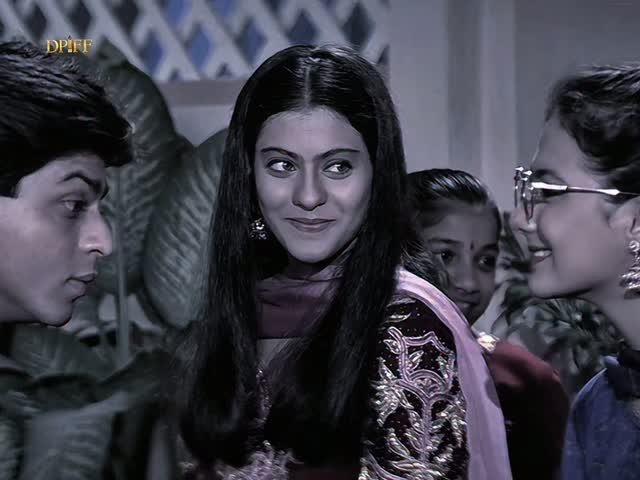
A recent Dadasaheb Phalke International Film Festival Instagram reel revisits one of Bollywood’s most enduring romantic images: Simran looking at Raj with complete affection in Dilwale Dulhania Le Jayenge. The post’s playful search for someone who “stares at us, adores us, and chooses us” draws on the emotional vocabulary that has made the film’s central love story so memorable.
Released in 1995, Dilwale Dulhania Le Jayenge, popularly known as DDLJ, paired Shah Rukh Khan and Kajol as Raj Malhotra and Simran Singh. Directed by Aditya Chopra in his debut, the film followed two young Indians living in London who meet during a European holiday and gradually fall in love, even as family expectations and cultural traditions stand between them.
The emotional appeal of Simran and Raj
The appeal of the DDLJ romance lies not only in its songs, scenic locations or comic moments. At its centre is the gradual transformation of two characters who begin with different ideas about love, freedom and responsibility. Simran dreams of romance but lives within the boundaries set by her conservative family, while Raj initially appears carefree and playful before demonstrating the seriousness of his feelings.
That contrast gives their relationship a distinctive emotional rhythm. Raj does not simply ask Simran to abandon her family; instead, the story eventually turns his love into a willingness to earn her father’s acceptance. For many viewers, this made the romance feel larger than a private relationship. It became a story about being chosen without being asked to reject one’s identity, family or cultural background.
The Instagram caption captures the softer, more idealised side of that relationship. Simran’s affection for Raj is often remembered through her expressions, her anticipation and the film’s romantic songs. Her love is not presented as a single dramatic declaration but as something that develops through recognition, trust and the courage to stand by her feelings.
Why DDLJ became a landmark in Bollywood romance
DDLJ arrived at a significant moment in Hindi cinema. Its characters were shaped by the experience of Indians and South Asians living abroad, but the film remained closely connected to family structures and Indian social customs. By placing a love story across London, Switzerland and Punjab, it created a cinematic world that was aspirational and familiar at the same time.
The film also helped establish Shah Rukh Khan as one of Hindi cinema’s defining romantic leads. His portrayal of Raj combined humour, vulnerability and persistence, while Kajol’s Simran was expressive, conflicted and emotionally direct. Their chemistry became central to the film’s cultural afterlife, influencing how later Hindi romances approached the idea of the ideal couple.
The music by Jatin-Lalit further strengthened the film’s emotional identity. Songs such as “Tujhe Dekha Toh,” “Mere Khwabon Mein” and “Ho Gaya Hai Tujhko Toh Pyar Sajna” did more than accompany the narrative; they became part of the way audiences remembered the characters and their journey.
A romance shaped by choice and family
One reason the DDLJ love story continues to invite discussion is that it balances individual desire with family approval. The film does not treat romance as entirely separate from social responsibility. Raj’s eventual approach is to win over Simran’s father, Baldev Singh, rather than take her away without consent.
That resolution reflects the film’s particular understanding of romance, one rooted in the 1990s Hindi film mainstream. Contemporary viewers may read the story differently, especially when considering the limited freedom available to Simran and the authority held by her father. Yet the emotional core remains clear: Simran wants her feelings to be acknowledged, and Raj must prove that his affection is more than youthful infatuation.
This is also why the post’s wording about being adored and chosen feels familiar to audiences who grew up with the film. It reduces the story to a romantic fantasy, but it points towards a larger desire found in many love stories: to be seen fully, valued consistently and supported when a relationship faces resistance.
The film’s continuing cultural life
Dilwale Dulhania Le Jayenge has remained a reference point in Indian popular culture for its depiction of romance, diaspora identity and family negotiations. Its dialogues, songs, costumes and locations continue to be recalled across generations, while Raj and Simran remain shorthand for a particular kind of Bollywood love story.
The film’s longevity also comes from its ability to operate on several levels. Younger audiences can experience it as a romantic comedy, while older viewers may recognise its concerns about parental expectations, migration and changing ideas of independence. That combination has helped DDLJ remain relevant beyond the period in which it was made.
In that context, DPIFF’s Instagram post is less a report of a new film development than a social-media tribute to a lasting cinematic memory. By returning to Simran and Raj, it recognises how certain performances and relationships continue to shape the language audiences use when talking about love on screen.
DPIFF Instagram reference
View the Dadasaheb Phalke International Film Festival reel celebrating the enduring romance of Simran and Raj in Dilwale Dulhania Le Jayenge: DPIFF on Instagram.
About Dadasaheb Phalke International Film Festival
Dadasaheb Phalke International Film Festival is a platform that celebrates achievements across Indian and international cinema. Named after Dadasaheb Phalke, widely regarded as the father of Indian cinema, the festival recognises the creative and technical contributions that shape the film industry. Through its editorial and social channels, DPIFF also engages audiences with significant films, artists and moments from popular cinema.
For viewers who first encountered Raj and Simran decades ago, the appeal of their story remains rooted in a simple emotional promise: love should be expressed through attention, loyalty and the willingness to stand by another person. That is the idea the DPIFF reel brings back into focus.



Share this link via


Share this link via
Share this link via

Share this link via