Hungama 2003: Why Priyadarshan’s Comedy Still Finds Its Audience
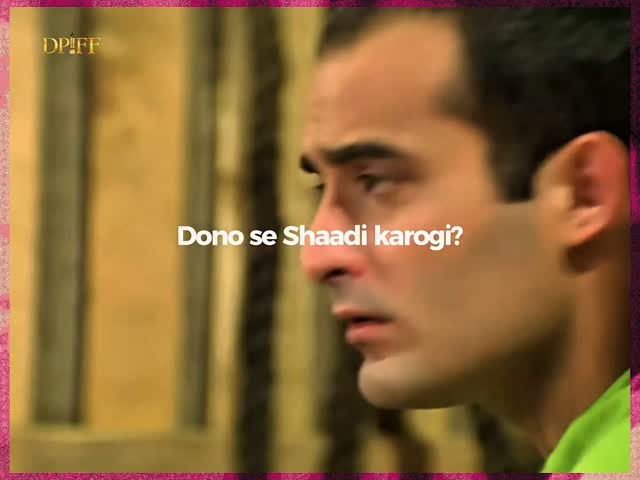
DPIFF’s Instagram post revisits Hungama (2003), the ensemble comedy directed by Priyadarshan and led by Akshaye Khanna alongside Aftab Shivdasani, Rimi Sen, Paresh Rawal and Rajpal Yadav. Built around misunderstandings, concealed truths and mistaken identities, the film remains a notable example of the fast-moving Hindi comedies that found a strong audience in the early 2000s.
Rather than depending on a single comic performance or an elaborate action set piece, Hungama develops its humour through the increasingly complicated situations created by its characters. Every new lie affects another relationship, and each attempt to correct one misunderstanding produces another. This escalating structure gives the film its distinctive rhythm and keeps the narrative moving from one comic complication to the next.
A comedy shaped by misunderstandings
At the centre of Hungama is a network of characters who do not possess the complete truth about one another. Their assumptions are shaped by incomplete conversations, exaggerated claims and mistaken impressions. The audience, meanwhile, is allowed to observe how these separate misunderstandings overlap, creating the comic tension that drives the story.
This style of humour is closely associated with Priyadarshan’s Hindi comedies. His direction often places ordinary characters inside extraordinary situations and allows the resulting confusion to grow through timing, reactions and ensemble interplay. In Hungama, the comedy comes not only from dialogue but also from the contrast between what the characters believe and what the audience understands to be true.
Akshaye Khanna in an ensemble comedy
Akshaye Khanna’s presence gives the film a grounded centre. Known for moving between drama, romance and comedy, the actor brings a restrained quality to a story that repeatedly descends into chaos. That contrast is important to the film’s tone: the situations become increasingly absurd, while the characters often respond to them with complete seriousness.
The supporting cast strengthens the ensemble format. Aftab Shivdasani and Rimi Sen contribute to the film’s romantic and situational strands, while Paresh Rawal and Rajpal Yadav are part of the broader chain of comic confusion. The performances work collectively, reflecting the way the screenplay distributes its humour across multiple characters rather than placing the entire burden on one protagonist.
Why the film remains relevant to Hindi comedy
Hungama belongs to a period when mainstream Hindi comedies frequently relied on verbal misunderstandings, mistaken identities and tightly connected character tracks. Its appeal lies in the accessibility of that storytelling. Viewers do not need specialist knowledge or elaborate world-building to understand the humour; the comedy emerges from familiar human impulses such as hiding the truth, trying to protect one’s reputation and drawing the wrong conclusion.
The film also demonstrates the importance of timing in ensemble comedy. A joke may begin with one character’s statement, gain momentum through another person’s interpretation and reach its payoff only after the information has travelled through several interactions. This cumulative construction gives Hungama much of its entertainment value and explains why its situations remain easy to remember.
For audiences discovering the film today, its value is not limited to nostalgia. It offers a clear example of how a commercial Hindi comedy can use structure, performance and controlled escalation to sustain humour. It also provides a snapshot of the early-2000s Bollywood comedy landscape, when theatrical entertainers often brought together large casts and interlocking storylines.
DPIFF’s Instagram reference
DPIFF’s Instagram post highlights Hungama as a light-hearted comedy led by Akshaye Khanna and directed by Priyadarshan. The original video reference is available on the official DPIFF Instagram account.
About Dadasaheb Phalke International Film Festival
Dadasaheb Phalke International Film Festival is an Indian film festival and entertainment platform named after Dadasaheb Phalke, widely recognised as a pioneer of Indian cinema. DPIFF celebrates the work of filmmakers, actors, technicians and other creative professionals across the film industry. Through its editorial and social channels, the festival also revisits significant films, artists and moments from Indian cinema.
By returning to Hungama, DPIFF draws attention to a comedy whose enduring appeal comes from its ensemble performances and carefully layered confusion. The film remains a useful reminder that effective comic storytelling often depends less on spectacle than on character, timing and the consequences of a simple misunderstanding.


Share this link via



Share this link via

Share this link via