DPIFF Instagram Post Highlights the Strength of Women Survivors
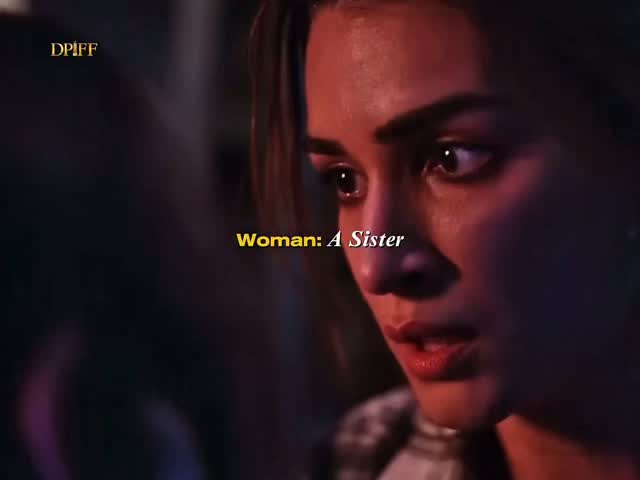
Dadasaheb Phalke International Film Festival has shared an Instagram reel highlighting women’s resilience in the face of social judgement, restrictive expectations and personal adversity. Framed around the idea that a woman is not defined by the roles assigned to her, the post presents survival as a form of strength and self-determination.
The message is deliberately broader than a single identity or life story. By describing a woman as a daughter, sister, mother and survivor, the post acknowledges the many responsibilities women carry while placing emphasis on the individual behind those roles. Its central argument is that identity should not be limited by family expectations, social conventions or the labels imposed by others.
Why the message of women’s resilience matters
Conversations about women’s empowerment often focus on visible milestones such as professional success, public recognition or leadership. Those achievements remain important, but resilience can also be found in less visible acts: rebuilding a life after hardship, speaking against injustice, setting personal boundaries and refusing to accept shame as a definition of character.
The reel’s language reflects that wider understanding of empowerment. It speaks to women who have been silenced, restricted or judged, while also recognising that survival is not a passive experience. The decision to challenge an imposed role, reject a taboo or create a different path can itself be an act of courage.
From social expectations to self-defined identity
One of the strongest ideas in the post is its rejection of the “box” used to define women. Social expectations can be shaped by family structures, cultural norms, workplace assumptions and popular representations of femininity. These expectations may differ across communities, but they frequently place limits on how women are expected to behave, speak, dress, work or make personal choices.
The post turns that familiar metaphor into a statement of agency: a woman does not have to remain within a predetermined category, and she can create a space that reflects her own values. That framing is especially relevant in an era when social media has become an important platform for conversations about identity, safety, equality and recovery.
The role of cinema and popular culture
Film and popular culture have a significant role in shaping how audiences understand women’s lives. Stories about women survivors can challenge the idea that hardship is their defining quality, provided they are presented with complexity rather than reduced to suffering alone. The most meaningful portrayals allow female characters to possess ambition, humour, anger, vulnerability and authority alongside their experiences of adversity.
For an institution connected to cinema, a message of this nature also invites reflection on representation. Audiences increasingly expect films and entertainment platforms to show women as complete individuals rather than as supporting figures in someone else’s story. That includes recognising women’s contributions behind the camera as writers, directors, producers, editors, cinematographers and creative leaders.
Strength without a single definition
It is also important not to impose another narrow definition of strength. Not every survivor speaks publicly about her experience, and empowerment does not always look like confrontation. For some women, it may mean seeking support, making an independent decision, leaving an unsafe situation or simply reclaiming control over everyday life.
The DPIFF reel uses an affirmative and celebratory tone, but its underlying message is grounded in a serious social reality: women should not have to earn dignity by conforming to expectations. Their identities are not limited to their relationships with others, and their choices deserve to be understood on their own terms.
DPIFF Instagram reference
The editorial context for this story is the Dadasaheb Phalke International Film Festival Instagram reel, whose caption focuses on women who challenge social restrictions, overcome taboos and define their own paths. The post does not identify a particular individual or announce a specific film, award or event; its focus is the broader theme of women’s empowerment and survivor strength.
“She is a daughter, sister, mother, and woman—but above all, she is a survivor.”
About Dadasaheb Phalke International Film Festival
Dadasaheb Phalke International Film Festival is an Indian film and entertainment platform named after Dadasaheb Phalke, widely regarded as the father of Indian cinema. The festival and its associated editorial channels engage with Indian cinema, filmmakers, performers, creative professionals and important conversations shaping the entertainment industry.
Through its digital presence, DPIFF also shares messages and cultural perspectives connected to cinema and society. Its coverage spans film recognition, entertainment developments and stories that encourage audiences to engage with the wider impact of visual storytelling.
In that context, this Instagram post stands as a concise reminder that women’s stories are not defined solely by the obstacles they face. They are also stories of choice, endurance, reinvention and the right to create an identity beyond inherited expectations.



Share this link via



Share this link via

Share this link via