

Celebrating Indian Cinema: From Dadasaheb Phalke’s Vision to a Global Powerhouse
Indian cinema has undergone a remarkable transformation over the years. Today, Indian cinema is known as one of the largest,…
Dadasaheb Phalke International Film Festival


Today, when we talk about Indian cinema, it appears as a global industry. From theatrical releases to OTT platforms, web series, social media, and YouTube, we have countless means of entertainment. But there was a time when cinematic options were limited, and actors were not just artists but also a part of people’s lives. In that era, stars were respected not just for their films, but also for their personality, temperament, and lifestyle. Today, the influence of cinema is clearly visible in our everyday lives. From fashion to speech, many things are influenced by the film world. But in this long journey, there have been some artists who not only worked in films but also changed the direction of the entire industry. Dilip Kumar was one such great artist.
Early Life and Background
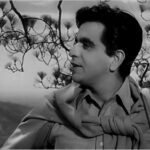
Dilip Kumar was born on December 11, 1922, in Peshawar, now in Pakistan. His real name was Mohammad Yusuf Khan. After entering the film industry, he adopted the name Dilip Kumar, making him famous worldwide. During his career, he appeared in approximately 57 films and popularized a new style of acting, known today as “method acting.”

Journey in Films
His first film was Jwar Bhata, but he gained real recognition with the 1947 film Jugnu. He subsequently starred in many memorable films, including Andaz, Deedar, Daag, Mughal-e-Azam, Ganga Jamuna, and Ram Aur Shyam. These films established him as one of the biggest and most respected stars of Indian cinema.

Acting Style and Versatility
Dilip Kumar earned the title of “Tragedy King” for his deep and emotional roles. His performances in films like Devdas, Deedar, and Daag deeply impacted audiences. However, he wasn’t limited to serious roles. He also played light-hearted and entertaining characters with equal ease in films like Aan, Azaad, and Kohinoor. His hard work and dedication to acting were also widely acclaimed. For the song “Madhuban Mein Radhika Naache Re” from the film Kohinoor, he underwent special training in playing the sitar to ensure his performance was completely realistic. This reflects his preparation and seriousness towards the character.
Awards and Recognition
His acting was recognized with numerous major awards. He won the Filmfare Best Actor Award eight times, a record for a long time. He received these awards for films such as Daag, Azaad, Devdas, Naya Daur, Kohinoor, Leader, Ram Aur Shyam, and Shakti. Interestingly, when the Filmfare Awards were first held in 1954, Dilip Kumar also won the first Best Actor award. In recognition of his contributions to cinema, he received numerous prestigious honors. In 1994, he was awarded the Dadasaheb Phalke Award, the highest honor in Indian cinema. The Government of India also honored him with the Padma Bhushan (1991) and later the Padma Vibhushan (2015). He also received special recognition internationally when, in 1998, the Government of Pakistan awarded him its highest civilian honour, the Nishan-e-Imtiaz. He is the only Indian actor to receive this honour.

Life Beyond Cinema
Beyond films, Dilip Kumar also played a role in public life. He was a member of the Rajya Sabha from 2000 to 2006. He was also seen as a mentor and senior artist in the film industry. Many young artists considered him an inspiration and sought to learn from his experience.
Final Years and Legacy
Dilip Kumar passed away on July 7, 2021, at the age of 98. He had been battling age-related health problems for a long time and was undergoing treatment at Hinduja Hospital in Mumbai. The news of his passing moved the entire nation. Everyone from the film industry to politics and the general public paid tribute to him. Dilip Kumar was not just an actor, but an important chapter in the history of Indian cinema. He transformed the style of acting, brought a new sensibility to cinema, and paved a new path for generations to come. This is the reason why even today his name is taken with respect among the greatest artists of Indian cinema.